

Gene- and Cell-Based Therapies Entering Glaucoma Trials in April 2026
Some trials deliver genes encoding neuroprotective factors into the eye to help RGCs survive. For example, one approach uses a harmless viral vector...
Deep research and expert guides on maintaining your visual health.
Some trials deliver genes encoding neuroprotective factors into the eye to help RGCs survive. For example, one approach uses a harmless viral vector...

Home readings can also serve as early safety signals. Protocols typically pre-specify pressure thresholds or warning rules. For instance, the...
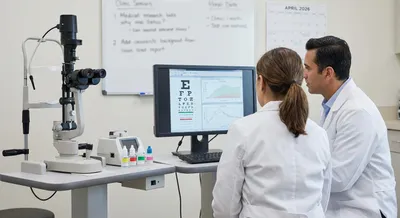
Beta-blockers (e.g. timolol): These are typically washed out by stopping the drop for 4 weeks. Research showed that a 2-week break is usually too...

In theory, brief exposure to high oxygen (like short HBOT sessions) could activate protective pathways inside eye cells. One key pathway involves the...
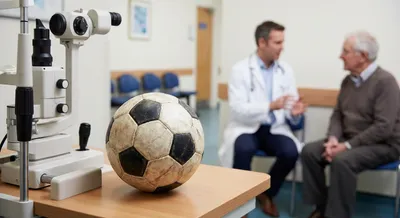
Playing soccer provides excellent cardiorespiratory exercise. The running, jogging, and game movement substantially raise heart rate and build...

However, hiking also brings challenges: long treks can lead to dehydration, strong sunlight, and difficult footing. Importantly for glaucoma...

After you stop running, your blood pressure usually remains elevated for a minutes (especially if the pace was high) and then falls back. Immediately...

In addition, regular exercise helps the body’s autonomic nervous system (which controls things like heart rate and blood vessel tone) to stay in...

Importantly, snorkeling is mostly done at the surface where the water pressure is nearly the same as on land, so you avoid the pressure changes of...
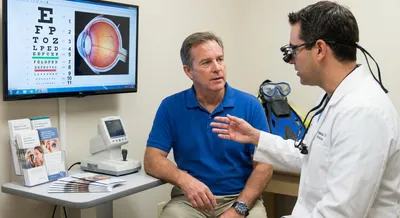
In practice, experienced divers avoid mask squeeze entirely and typically equalize early in each descent. It’s also recommended to use a low-volume...
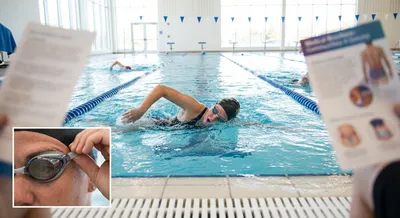
However, swimming has some unique eye-related factors. Tight-fitting goggles, the face-down posture of freestyle, and chlorinated pool water can...
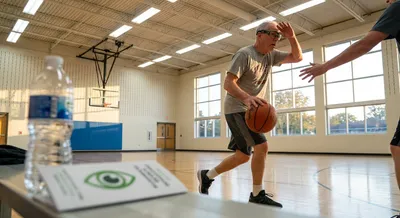
Basketball also provides important social and emotional benefits. Social sports help reduce stress, build confidence, and combat isolation. A...
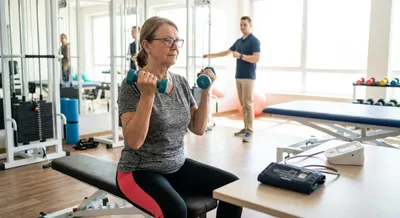
Heavy vs. Moderate Loads: Multiple studies find that heavier weights cause bigger IOP spikes. For example, one review noted that lifting heavy loads...
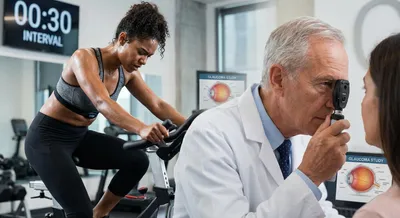
HIIT involves repeated short bursts of intense exercise (often 80–100% of maximum effort) alternated with brief rest or low-intensity periods ()....
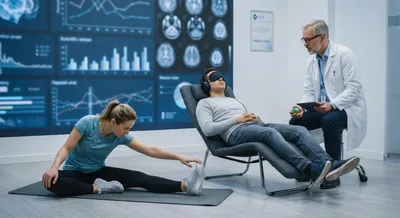
Researchers are interested in lifestyle factors because glaucoma involves more than just eye pressure. Things like poor blood flow, stress, or low...

In practical terms, this means that if you learn a family member has glaucoma, doctors advise that other first-degree relatives – especially siblings...
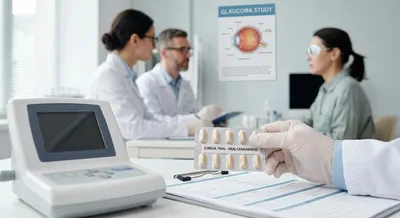
Before we dive in, let’s remember why eye pressure matters. Glaucoma is a group of eye conditions where high pressure or poor blood flow damages the...

Capturing slow changes in eye pressure and fields (monitoring). A recent study (the ADAGES group) looked at long-term glaucoma data and found that...
Screen your peripheral vision from home — no downloads, no waiting rooms. Sign up for a free trial and test in under 5 minutes.
Glaucoma is a group of eye conditions that damage the optic nerve, which carries visual information from the eye to the brain. The damage is often linked to higher pressure inside the eye, but it can also happen when pressure is normal. At first, vision loss is usually gradual and affects side vision, so many people do not notice it until the condition is advanced. Left untreated, glaucoma can cause permanent blindness because nerve cells in the retina and their connections are lost. Doctors diagnose glaucoma with eye pressure checks, optic nerve exams, and tests that measure peripheral vision. Treatments focus on slowing or stopping nerve damage, most commonly by lowering eye pressure with drops, lasers, or surgery. Because nerve damage is usually irreversible, early detection and regular eye exams are very important. Researchers are also exploring treatments that protect nerve cells directly and improve blood flow to the optic nerve. Lifestyle steps such as controlling blood pressure and avoiding smoking may help lower risk, but medical follow-up is essential. Understanding glaucoma matters because it is a leading cause of preventable blindness worldwide and can often be managed when found early.