

Running and Jogging with Glaucoma: Balancing Cardiovascular Gains and IOP Fluctuations
After you stop running, your blood pressure usually remains elevated for a minutes (especially if the pace was high) and then falls back. Immediately...
Deep research and expert guides on maintaining your visual health.
After you stop running, your blood pressure usually remains elevated for a minutes (especially if the pace was high) and then falls back. Immediately...
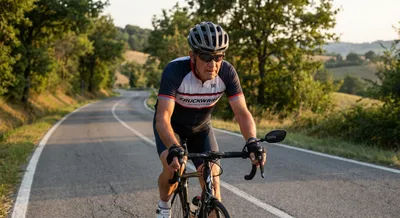
In addition, regular exercise helps the body’s autonomic nervous system (which controls things like heart rate and blood vessel tone) to stay in...
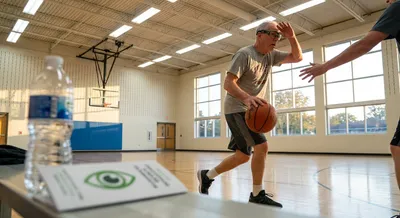
Basketball also provides important social and emotional benefits. Social sports help reduce stress, build confidence, and combat isolation. A...

HIIT involves repeated short bursts of intense exercise (often 80–100% of maximum effort) alternated with brief rest or low-intensity periods ()....

The reason has to do with eye fluid dynamics. Our eyes continuously produce a clear fluid (aqueous humor) that drains through a meshwork in the front...
Our visual field test is inspired by the perimetry methods eye care professionals use. Check for blind spots and track changes over time.
Test Your VisionHydration means keeping the right amount of water in your body so it can work properly. Water is used in almost every process in the body: it helps control temperature, moves nutrients and oxygen to cells, cushions joints, and removes waste. Being well hydrated keeps your energy, thinking, digestion, and physical performance working smoothly. Hydration is not just about drinking water; it also includes fluids you get from food and other drinks, plus how much you lose through sweat, urine, and breathing. Both too little and too much fluid can cause problems: low fluid levels lead to dehydration, while drinking very large amounts rapidly can upset your salt balance. Common signs of not having enough water are dry mouth, dark urine, headaches, dizziness, and tiredness, while swelling, nausea, and confusion can be signs of overdoing it. Many factors change how much water you need, including your age, activity level, the climate, and health conditions or medicines you take. Simple ways to maintain good hydration include sipping fluids regularly, eating fruits and vegetables, and paying attention to your thirst and urine color. For most people, spreading fluid intake evenly through the day and adjusting for exercise or heat is safer and more effective than drinking a lot all at once.