
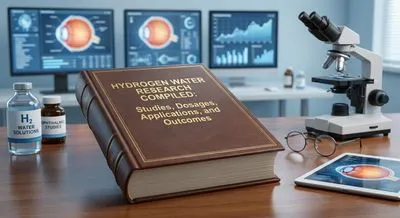
Hydrogen Water Research Compiled: Studies, Dosages, Applications, and Outcomes
Hydrogen-rich water is made by dissolving hydrogen gas (H₂) into water. This can be done by electrolysis (breaking water into hydrogen and oxygen) or...
Deep research and expert guides on maintaining your visual health.
Hydrogen-rich water is made by dissolving hydrogen gas (H₂) into water. This can be done by electrolysis (breaking water into hydrogen and oxygen) or...
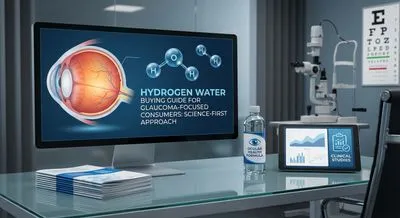
Many experts agree that chronic glaucoma is not just about pressure – cell damage from oxidative stress plays a major role. For example, a 2016 PLOS...
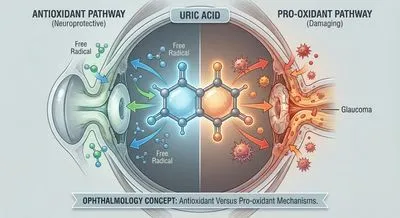
Studies of serum UA in glaucoma patients have yielded mixed results. A 2023 systematic review and meta-analysis (1,221 glaucoma patients vs. 1,342...
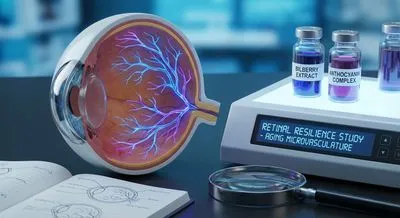
Animal research confirms that bilberry anthocyanins protect retinal cells by enhancing antioxidant systems and damping inflammation. In a rabbit...
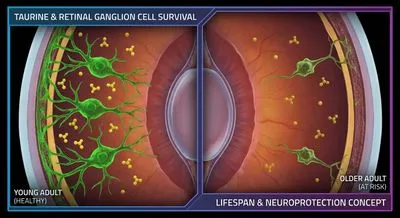
Taurine plays key cellular roles beyond being a nutrient. In the retina it acts as an organic osmolyte, helping cells adjust their volume under...
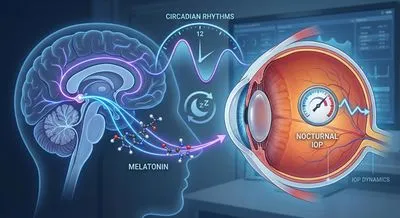
Melatonin is not only made by the pineal gland but also produced in the eye itself. Photoreceptors in the retina generate melatonin at night, and the...
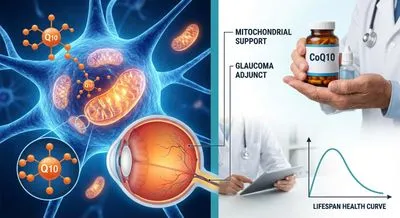
Notably, in the topical CoQ10 trial (), all eyes were also on standard drugs (timolol/dorzolamide), and CoQ10-treated eyes fared better. Thus, CoQ10...
Screen your peripheral vision from home — no downloads, no waiting rooms. Sign up for a free trial and test in under 5 minutes.
An antioxidant is any substance that helps prevent or slow damage to cells caused by unstable molecules called free radicals. Free radicals are produced naturally when the body makes energy, when it responds to infection, or when it is exposed to things like cigarette smoke and sunlight. Antioxidants neutralize these unstable molecules by donating an electron or by helping chemical reactions run more safely, which reduces the chain reactions that can harm proteins, fats, and DNA. The body makes some antioxidants on its own, such as glutathione, and many important antioxidants come from food, like vitamin C, vitamin E, and plant pigments called flavonoids. Antioxidants matter because oxidative damage is linked to aging and many chronic conditions, including heart disease, certain cancers, and eye disorders. Eating a varied diet rich in fruits, vegetables, nuts, and whole grains is the safest way to get a range of antioxidants. Supplements are available and can help in specific situations, but they are not a cure-all and sometimes can be harmful in high doses. Scientists continue to study how best to boost antioxidant defenses for health without upsetting the body's natural balance.