

Antioxidant Vitamins and Minerals: Do A, C, E, Zinc, and Selenium Matter in Glaucoma?
In contrast, the evidence in glaucoma is sparse and mixed. No large clinical trial has proven that taking antioxidant pills improves glaucoma...
Deep research and expert guides on maintaining your visual health.
In contrast, the evidence in glaucoma is sparse and mixed. No large clinical trial has proven that taking antioxidant pills improves glaucoma...
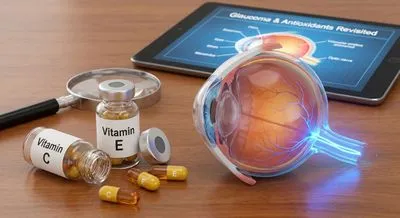
This review will summarize the evidence—both old and new—on vitamins C and E in glaucoma. We will look at laboratory and animal studies, population...
Track peripheral vision changes between eye doctor visits. Start your free trial and get results in under 5 minutes.
Vitamin E is a group of fat-soluble compounds found in nuts, seeds, vegetable oils, and green leafy vegetables. Its main role in the body is to act as an antioxidant that protects cell membranes from damage by free radicals. Because it dissolves in fat, vitamin E is stored in body tissues and carried in the bloodstream by fat particles. This vitamin helps preserve healthy skin, supports the immune system, and plays a role in keeping nerve cells functioning properly. Different forms of vitamin E exist, and food sources generally provide a balanced mix that the body can use. High-dose supplements can cause problems, including increasing bleeding risk in some people and interacting with certain medications. Vitamin E works together with other nutrients—for example, vitamin C can help regenerate vitamin E after it neutralizes free radicals. It matters because protecting cells from oxidative damage is one way the body defends itself against aging and some chronic conditions, so getting enough through a varied diet is important for long-term health.