
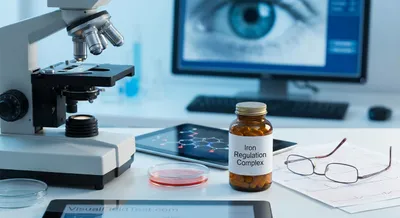
Can Ferroptosis Supplements Protect Vision in Glaucoma? What the New Dnajb14 Discovery Really Means
Ferroptosis is not a household word, but it’s essentially a newly recognized way cells can die. Unlike typical cell death (like old cells dying...
Deep research and expert guides on maintaining your visual health.
Ferroptosis is not a household word, but it’s essentially a newly recognized way cells can die. Unlike typical cell death (like old cells dying...
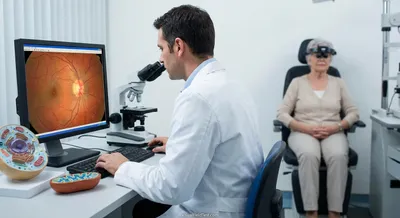
Retinal ganglion cells are the nerve cells in the eye that send visual signals from the retina to the brain. They have an especially high energy...

Inside the eye’s retina, special nerve cells called retinal ganglion cells (RGCs) work like telephone wires, carrying visual signals from the eye to...
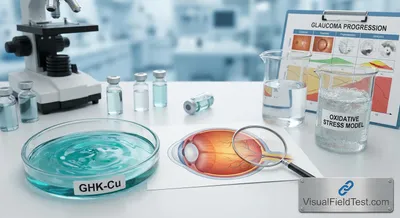
Plain-language summary: GHK-Cu is a naturally occurring protein fragment that carries copper. It is known to help wounds heal and may influence...

In 2015, researchers discovered MOTS-c – a 16-amino-acid peptide encoded in mitochondrial DNA (mtDNA) (). It is produced from a short open reading...

In theory, brief exposure to high oxygen (like short HBOT sessions) could activate protective pathways inside eye cells. One key pathway involves the...

Hydrogen-rich water is made by dissolving hydrogen gas (H₂) into water. This can be done by electrolysis (breaking water into hydrogen and oxygen) or...
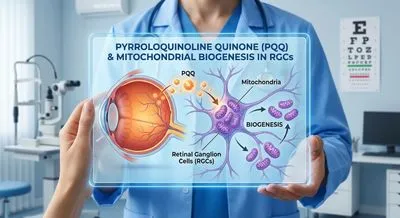
PQQ was first discovered as a cofactor for certain bacterial enzymes, but later found to be important in animal nutrition. Because animals cannot...

The eye is particularly sensitive because it has high oxygen use and is exposed to light. Normally, your eye fluids and tissues contain antioxidants...
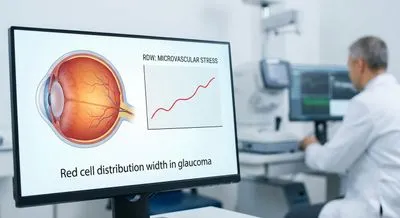
RDW is one number in a CBC blood test, which most people can get through their doctor or even direct-to-consumer lab services. The CBC reports your...

Many experts agree that chronic glaucoma is not just about pressure – cell damage from oxidative stress plays a major role. For example, a 2016 PLOS...
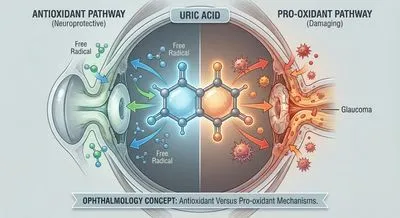
Studies of serum UA in glaucoma patients have yielded mixed results. A 2023 systematic review and meta-analysis (1,221 glaucoma patients vs. 1,342...
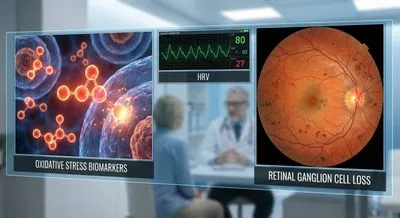
In this article, we explain what oxidative stress markers like F2-isoprostanes, malondialdehyde (MDA), and 8-hydroxy-2’-deoxyguanosine (8-OHdG) are,...
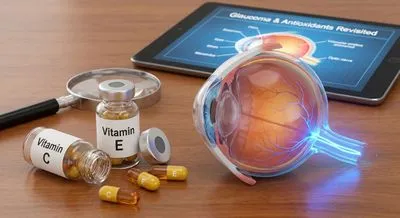
This review will summarize the evidence—both old and new—on vitamins C and E in glaucoma. We will look at laboratory and animal studies, population...
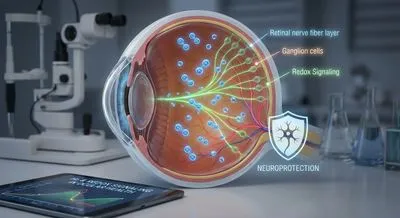
Beyond pressure-related injury, H₂ has shown benefit in other eye models. In diabetic-like rodents, oral H₂ water improved abnormal retinal blood...
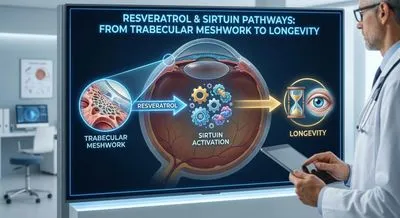
The TM tissue acts as the eye’s drainage filter and becomes less cellular and more dysfunctional in glaucoma. Chronic oxidative stress and...
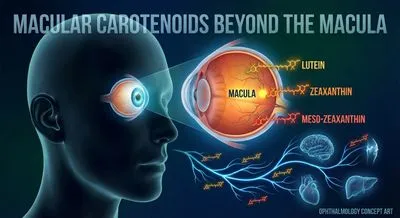
Macular carotenoids act as optical filters and antioxidants in the eye. By absorbing short-wavelength light and scavenging reactive oxygen species...
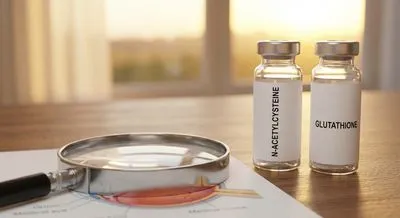
NAC is a lipid-soluble cysteine source that crosses cell membranes and is quickly converted to cysteine, the rate-limiting building block for...
Oxidative stress happens when reactive molecules—often called free radicals—are produced faster than the body can neutralize them with antioxidants. These reactive molecules are a normal byproduct of metabolism, especially inside the cell’s energy factories, but when they build up they can damage DNA, proteins, and lipids. Antioxidant enzymes and nutrients help neutralize reactive species, but if the balance tips toward excess reactivity, cells can suffer from oxidative stress and lose normal function. This state can trigger inflammation, impair cell signaling, and in severe cases cause cell death. Oxidative stress matters because it contributes to aging and to many common diseases such as heart disease, neurodegenerative disorders, and inflammatory conditions. Lifestyle factors like diet, smoking, pollution exposure, and physical activity influence how much oxidative stress a person experiences. Scientists study oxidative stress to find ways to strengthen the body’s defenses and develop therapies that restore balance. It’s important to note that some reactive molecules also serve useful signaling roles, so the goal of research and treatment is to reestablish a healthy balance rather than eliminate reactive species entirely.