

Can the Optic Nerve Be Protected? The New Neuroprotection Era in Glaucoma Research
Inside the eye’s retina, special nerve cells called retinal ganglion cells (RGCs) work like telephone wires, carrying visual signals from the eye to...
Deep research and expert guides on maintaining your visual health.
Inside the eye’s retina, special nerve cells called retinal ganglion cells (RGCs) work like telephone wires, carrying visual signals from the eye to...

A nationwide Danish registry study also found that GLP-1 agonist use was linked to a lower glaucoma risk. Compared to diabetic patients on other...

Specifically, large epidemiologic studies and meta-analyses have found that people with diabetes carry roughly a 36–50% higher risk of developing...

Hydrogen-rich water is made by dissolving hydrogen gas (H₂) into water. This can be done by electrolysis (breaking water into hydrogen and oxygen) or...
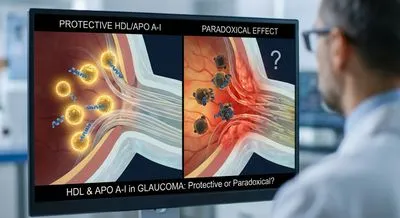
In general health, HDL carries cholesterol from tissues back to the liver and has anti-inflammatory and antioxidant actions. For example, HDL...

Many experts agree that chronic glaucoma is not just about pressure – cell damage from oxidative stress plays a major role. For example, a 2016 PLOS...
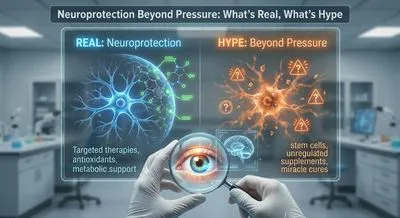
A recent review reminds us that after decades of work, “only a handful of neuroprotective therapies have succeeded clinically” (). In other words,...

Several clinical trials have tested whether oral PEA can help lower IOP in glaucoma or ocular hypertension. In these studies, patients usually...
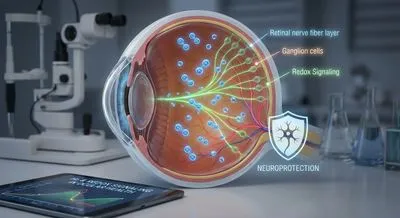
Beyond pressure-related injury, H₂ has shown benefit in other eye models. In diabetic-like rodents, oral H₂ water improved abnormal retinal blood...
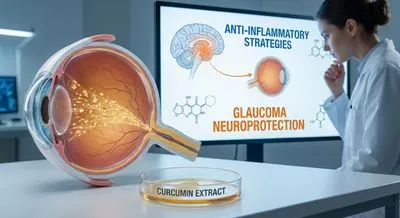
In the eye, microglia (resident immune cells) amplify inflammation when activated. Curcumin dampens microglial over-activation and cytokine release....
Not all trials find benefit. Some case series and a controlled study in normal-tension glaucoma showed no improvement in visual fields or nerve layer...
Visual field loss from conditions like glaucoma can go unnoticed. Start a free trial and screen for potential blind spots in minutes.
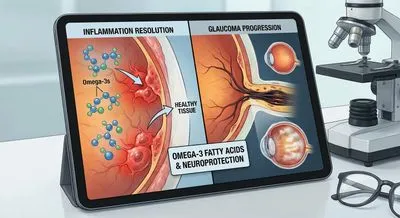
Inflammation is the body’s natural response to injury, infection, or harmful stimuli, designed to protect and begin the healing process. When a threat is detected, the immune system sends white blood cells, signaling molecules, and increased blood flow to the affected area, which causes common signs like redness, warmth, swelling, pain, and sometimes loss of function. This short-term form, known as acute inflammation, is usually helpful because it isolates and removes the cause, clears damaged cells, and starts tissue repair. Problems arise when inflammation becomes chronic and persists for months or years; chronic inflammation can slowly damage healthy tissue and is linked to diseases such as arthritis, heart disease, diabetes, and some neurological conditions. Both immune cells and chemical messengers called cytokines play central roles in creating and resolving inflammation, so balance is critical. Controlling inflammation matters because it influences recovery, long-term health, and quality of life. Lifestyle factors like diet, sleep, and exercise, along with medications when needed, can reduce harmful inflammation and support the body’s ability to resolve it naturally. Understanding when inflammation is protective versus when it is harmful helps guide treatment and prevention strategies.