
Is Glaucoma an Energy Failure Disease? Mitochondria, Aging, and the Optic Nerve
Retinal ganglion cells are the nerve cells in the eye that send visual signals from the retina to the brain. They have an especially high energy...
Deep research and expert guides on maintaining your visual health.
Retinal ganglion cells are the nerve cells in the eye that send visual signals from the retina to the brain. They have an especially high energy...

Right now, no therapy has been proven to do this in patients. In large, decades-long studies only pressure lowering showed a clear benefit. In fact,...

Current research has focused on three NAD precursors: nicotinamide (vitamin B₃), nicotinamide riboside (NR), and nicotinamide mononucleotide (NMN)....

The retina, especially RGCs, is a highly active tissue that needs a lot of energy to work. This energy comes from tiny structures in cells called...

Even if you load up on pyruvate, an inactive body won’t convert it to extra ATP unless it’s needed. Instead, the surplus pyruvate enters normal...

In theory, brief exposure to high oxygen (like short HBOT sessions) could activate protective pathways inside eye cells. One key pathway involves the...
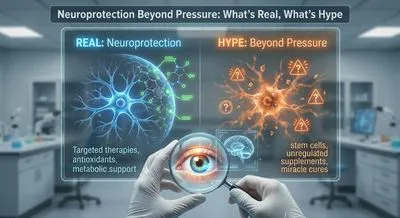
A recent review reminds us that after decades of work, “only a handful of neuroprotective therapies have succeeded clinically” (). In other words,...
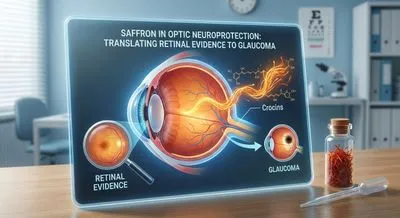
Antioxidant neuroprotection. In vitro and animal studies consistently find that crocin and crocetin guard retinal cells against oxidative stress. For...
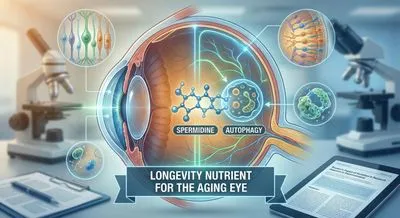
By inducing autophagy, spermidine helps cells clear damaged components and maintain mitochondrial health. For example, chronic spermidine feeding in...
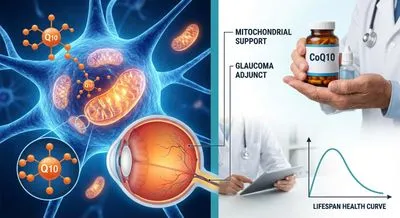
Notably, in the topical CoQ10 trial (), all eyes were also on standard drugs (timolol/dorzolamide), and CoQ10-treated eyes fared better. Thus, CoQ10...

NAD<sup>+</sup> is a ubiquitous coenzyme that facilitates ATP production via glycolysis and oxidative phosphorylation, and serves as a substrate for...
Screen your peripheral vision from home — no downloads, no waiting rooms. Sign up for a free trial and test in under 5 minutes.
Mitochondria are tiny structures inside most of your cells that act like power plants, producing the chemical energy cells use to do work. They turn the breakdown products of food into ATP, the molecule that powers motion, thinking, and repair. Mitochondria also help regulate cell death, balance calcium levels, and send signals that influence how the whole cell behaves. Each mitochondrion has its own small set of genes, and they reproduce and change shape through processes called fusion and fission. When mitochondria become damaged or worn out, cells remove them through a cleanup process so the rest of the cell stays healthy. If mitochondria aren’t working well, tissues that need a lot of energy—like the brain, heart, and muscles—can suffer, and mitochondrial problems are linked to aging and many diseases. Lifestyle factors such as diet, exercise, and sleep influence mitochondrial health, and researchers are exploring therapies that support their function. Understanding mitochondria matters because keeping them healthy helps maintain energy, resilience to stress, and overall tissue function as we age.