
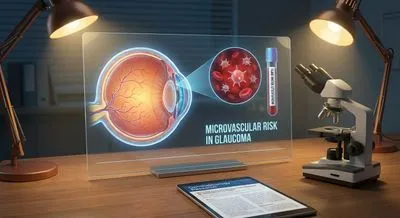
Platelet Metrics (Mean Platelet Volume) and Microvascular Risk in Glaucoma
Platelets are small, disk-shaped cells in your blood that stop bleeding by clumping together to form clots. When your blood vessels or endothelium...
Deep research and expert guides on maintaining your visual health.
Platelets are small, disk-shaped cells in your blood that stop bleeding by clumping together to form clots. When your blood vessels or endothelium...
Our visual field test is inspired by the perimetry methods eye care professionals use. Check for blind spots and track changes over time.
Test Your VisionPlatelet activation is the process by which platelets change from resting particles in the blood to active agents that help stop bleeding. When a blood vessel is injured or when certain signals appear in the bloodstream, platelets change shape, become sticky, and release chemicals that attract more platelets and accelerate clot formation. This reaction is essential for stopping bleeding after injury, but when it happens in the wrong place or is too strong it can lead to harmful clots in arteries or small vessels. Activated platelets also interact with immune cells and blood vessel walls, so they play a role in inflammation and healing as well as clotting. Doctors and researchers can measure signs of activation using laboratory tests that detect surface markers or released substances. Many common drugs, like aspirin or other antiplatelet medications, work by reducing platelet activation to lower the risk of heart attack and stroke. Understanding how and why platelets become activated helps guide treatments that balance preventing dangerous clots while avoiding excessive bleeding. Because platelet activation links clotting, inflammation, and vessel damage, it is an important concept in many diseases and in everyday health decisions such as surgery or managing chronic conditions.