
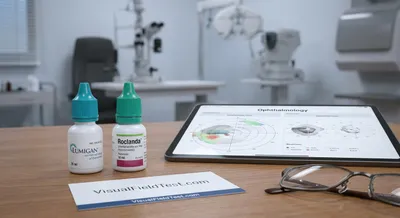
Lowering Eye Pressure: The Lumigan vs Roclanda Showdown
The two drops work differently. Lumigan (bimatoprost) is a prostaglandin analogue. Prostaglandin analogues act mainly by increasing the drainage of...
Deep research and expert guides on maintaining your visual health.
The two drops work differently. Lumigan (bimatoprost) is a prostaglandin analogue. Prostaglandin analogues act mainly by increasing the drainage of...
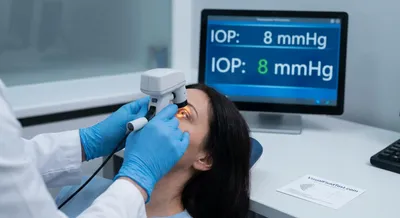
Trabeculectomy (filtering surgery) creates a new drainage path for fluid (aqueous humor) to leave the eye under the eyelid. Surgeons remove a small...
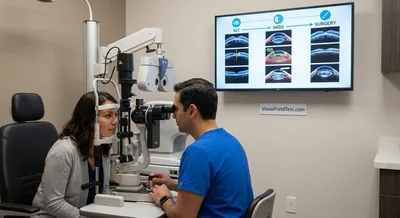
SLT is often recommended either before starting drops or after medications alone can’t reach the target pressure. Being “selective,” the laser...
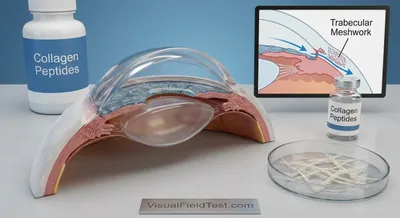
In a healthy eye, the TM and SC work together like a plumbing system. The TM is a spongy, porous tissue lined by endothelial cells, and it sits just...
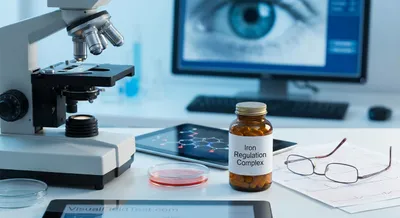
Ferroptosis is not a household word, but it’s essentially a newly recognized way cells can die. Unlike typical cell death (like old cells dying...
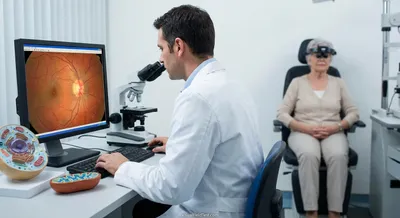
Retinal ganglion cells are the nerve cells in the eye that send visual signals from the retina to the brain. They have an especially high energy...
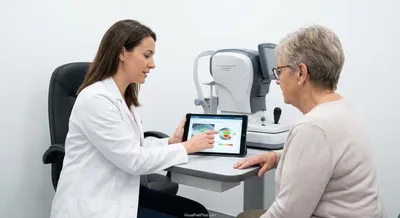
Today we are on the brink of truly personalized glaucoma care, where doctors will tailor follow-up plans and treatments to each person’s unique risk...
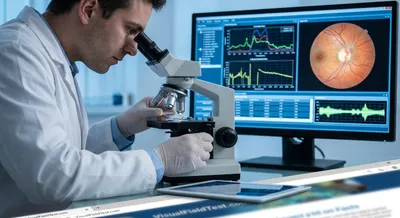
Inside the eye’s retina, special nerve cells called retinal ganglion cells (RGCs) work like telephone wires, carrying visual signals from the eye to...
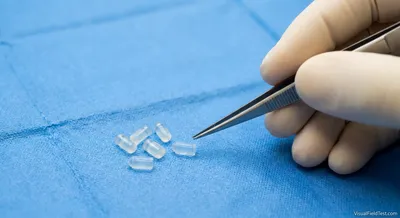
Ophthalmologists and researchers have long noted these challenges. Topical drops can work well if used perfectly, but in reality poor adherence and...
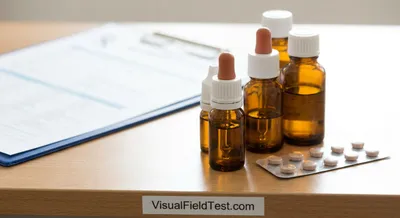
Right now, no therapy has been proven to do this in patients. In large, decades-long studies only pressure lowering showed a clear benefit. In fact,...
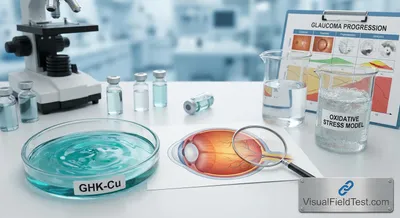
Plain-language summary: GHK-Cu is a naturally occurring protein fragment that carries copper. It is known to help wounds heal and may influence...
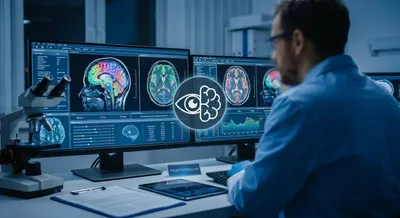
Doctors and researchers use advanced MRI techniques to track these changes. One method is diffusion tensor imaging (DTI), which traces the brain’s...
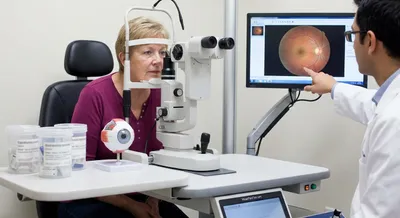
Neuron releases glutamate → Glial cell converts glutamate → glutamine → Glial cell sends glutamine back → Neuron converts glutamine back to...
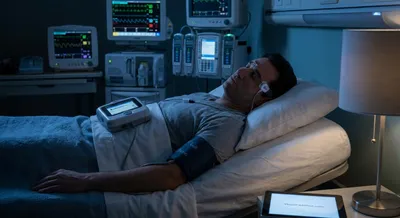
Importantly, body position and sleep also matter. Normally, when you lie down, intraocular pressure (IOP) tends to rise (by 10–20%) because eye fluid...
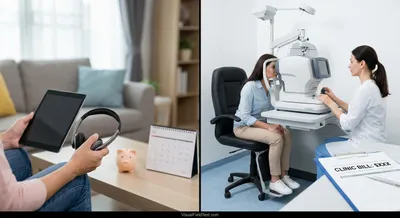
Clinic perimetry is very reliable but requires specialized equipment (like a Humphrey Field Analyzer) and trained staff. It can be costly and...
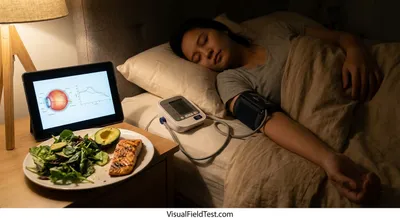
Research has shown that excessive night-time hypotension is associated with glaucomatous damage. In fact, Hayreh and colleagues found that night-time...
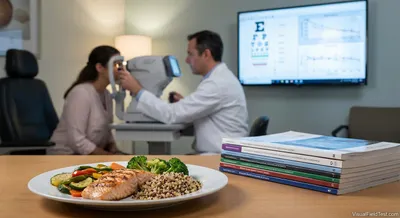
This article reviews the latest evidence on macronutrient patterns and glaucoma. We will survey epidemiologic studies of diet patterns...

APOE (Apolipoprotein E) – This gene makes a protein that transports cholesterol and fats in the body, especially in the brain and retina (). There...
Screen your peripheral vision from home — no downloads, no waiting rooms. Sign up for a free trial and test in under 5 minutes.
Glaucoma is a group of eye conditions that damage the optic nerve, which carries visual information from the eye to the brain. The damage is often linked to higher pressure inside the eye, but it can also happen when pressure is normal. At first, vision loss is usually gradual and affects side vision, so many people do not notice it until the condition is advanced. Left untreated, glaucoma can cause permanent blindness because nerve cells in the retina and their connections are lost. Doctors diagnose glaucoma with eye pressure checks, optic nerve exams, and tests that measure peripheral vision. Treatments focus on slowing or stopping nerve damage, most commonly by lowering eye pressure with drops, lasers, or surgery. Because nerve damage is usually irreversible, early detection and regular eye exams are very important. Researchers are also exploring treatments that protect nerve cells directly and improve blood flow to the optic nerve. Lifestyle steps such as controlling blood pressure and avoiding smoking may help lower risk, but medical follow-up is essential. Understanding glaucoma matters because it is a leading cause of preventable blindness worldwide and can often be managed when found early.