
Is Glaucoma an Energy Failure Disease? Mitochondria, Aging, and the Optic Nerve
Retinal ganglion cells are the nerve cells in the eye that send visual signals from the retina to the brain. They have an especially high energy...
Deep research and expert guides on maintaining your visual health.
Retinal ganglion cells are the nerve cells in the eye that send visual signals from the retina to the brain. They have an especially high energy...
Inside the eye’s retina, special nerve cells called retinal ganglion cells (RGCs) work like telephone wires, carrying visual signals from the eye to...

Doctors and researchers use advanced MRI techniques to track these changes. One method is diffusion tensor imaging (DTI), which traces the brain’s...

Endothelin-1 (ET-1) is made by cells lining blood vessels throughout the body, and it helps regulate normal blood pressure and flow. In the eye, ET-1...

In a rabbit glaucoma model (pressure raised by a gel in the eye), researchers injected NGF around the eye (retrobulbar) before damage. Those rabbits...

In practical terms, this means that if you learn a family member has glaucoma, doctors advise that other first-degree relatives – especially siblings...
For example, imagine a treatment that boosts the survival of optic nerve fibers or blocks harmful chemical processes in the nerve. If such a...
Even in cases like age-related macular degeneration or diabetic retinopathy, the optic nerve often stays healthy, so restoring vision means fixing or...
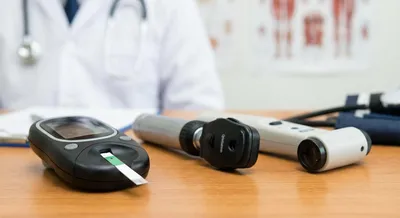
Specifically, large epidemiologic studies and meta-analyses have found that people with diabetes carry roughly a 36–50% higher risk of developing...
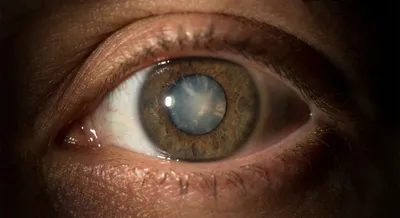
Early stage. In early glaucoma, most vision—especially central vision—is normal, so patients usually feel fine. The earliest signs are subtle blind...
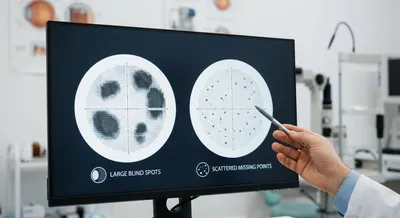
Diffuse or scattered defects (small-point losses) – Other patients show many isolated points of sensitivity loss scattered across the field, often...
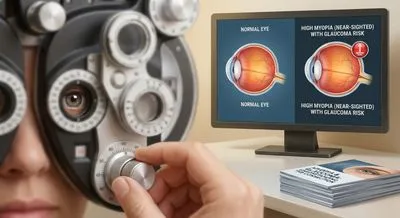
Diagnosing glaucoma in myopic eyes is tricky. Moderate-to-high myopia changes the eye’s shape and anatomy, making standard glaucoma tests harder to...
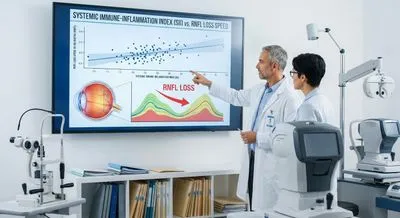
SII = (Platelet count × Neutrophil count) / Lymphocyte count ().
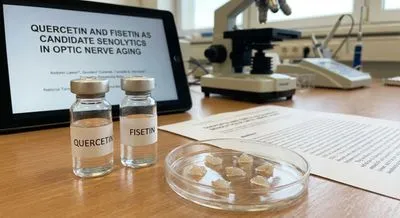
Senescent cells build up in key eye tissues. In the trabecular meshwork (TM), senescence stiffens the meshwork and increases resistance to fluid...
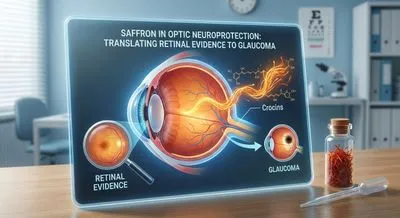
Antioxidant neuroprotection. In vitro and animal studies consistently find that crocin and crocetin guard retinal cells against oxidative stress. For...
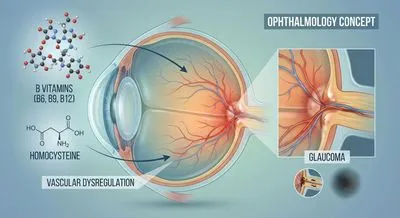
Research suggests that homocysteine-related vascular damage is relevant to glaucoma. For example, animal models of glaucoma show retinal metabolic...
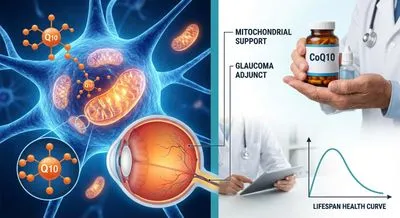
Notably, in the topical CoQ10 trial (), all eyes were also on standard drugs (timolol/dorzolamide), and CoQ10-treated eyes fared better. Thus, CoQ10...
The optic nerve is the bundle of nerve fibers that carries visual information from the eye to the brain. Each optic nerve collects signals from the light-sensing cells in the retina and transmits electrical messages along its long fibers so the brain can form images, recognize faces, read, and respond to the world. It is more like a cable than a single wire, containing many thousands of connected nerve cells, and it is essential for sight. Because it sits at the back of the eye and travels into the brain, the optic nerve is vulnerable to pressure, blood flow problems, inflammation, and injury. Damage to the optic nerve can cause blurred vision, loss of parts of the visual field, and in severe cases permanent blindness, depending on which fibers are affected. Detecting problems early matters because some causes of damage, like increased eye pressure or inflammation, can be treated to prevent further loss. Protecting the optic nerve involves regular eye exams, controlling conditions such as high eye pressure and blood vessel disease, and seeking prompt care for sudden changes in vision. The health of this nerve also reflects broader nerve and vascular health, so changes in vision can sometimes be an early sign of other medical issues. Understanding what the optic nerve does helps explain why vision loss can be sudden or gradual and why timely treatment and prevention are so important.