
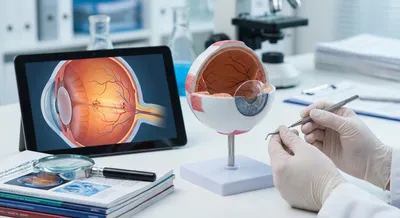
Why Vision Restoration Is So Much Harder in Glaucoma Than in Some Other Eye Diseases
Even in cases like age-related macular degeneration or diabetic retinopathy, the optic nerve often stays healthy, so restoring vision means fixing or...
Deep research and expert guides on maintaining your visual health.
Even in cases like age-related macular degeneration or diabetic retinopathy, the optic nerve often stays healthy, so restoring vision means fixing or...
KIO-301 is one such experimental drug. It is described as a “molecular photoswitch” (). In healthy vision, photoreceptors (rods and cones) detect...
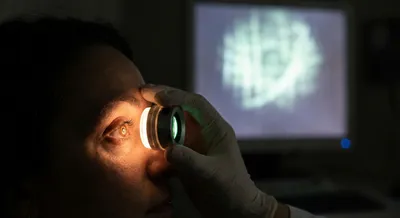
Because the therapy makes cells respond to ambient light (rather than electrical implants or goggles), patients don’t need to wear any special device...
Visual field loss from conditions like glaucoma can go unnoticed. Start a free trial and screen for potential blind spots in minutes.
Retinitis pigmentosa is a specific form of inherited retinal disease that slowly damages the cells in the retina that detect light, starting most often with the rod cells used for night and peripheral vision. People with this condition usually first notice trouble seeing in low light and a shrinking of their side vision, leading to a “tunnel” view as the disease progresses. Over time, the cone cells that govern central and color vision can also be affected, which makes detailed tasks like reading and recognizing faces more difficult. The condition is caused by many different genetic changes, which is why symptoms and progression can vary a lot between people. Doctors diagnose it using a combination of eye exams, visual field tests, imaging of the retina, and electrical tests that measure retinal function; genetic testing can confirm the exact cause. There is currently no universal cure, but specific treatments exist for certain genetic forms, and other approaches such as protective drugs, retinal implants, and experimental therapies are being studied. Managing the condition often includes low-vision aids, lighting adjustments, mobility training, and regular follow-up to slow complications. Understanding retinitis pigmentosa is important because it is a common inherited cause of blindness and because early coping strategies and access to new treatments can make a big difference in quality of life. Family members may also benefit from genetic counseling to understand their risks and options. Ongoing research continues to expand the possibilities for preserving and restoring vision.