
Why Vision Restoration Is Harder in Glaucoma
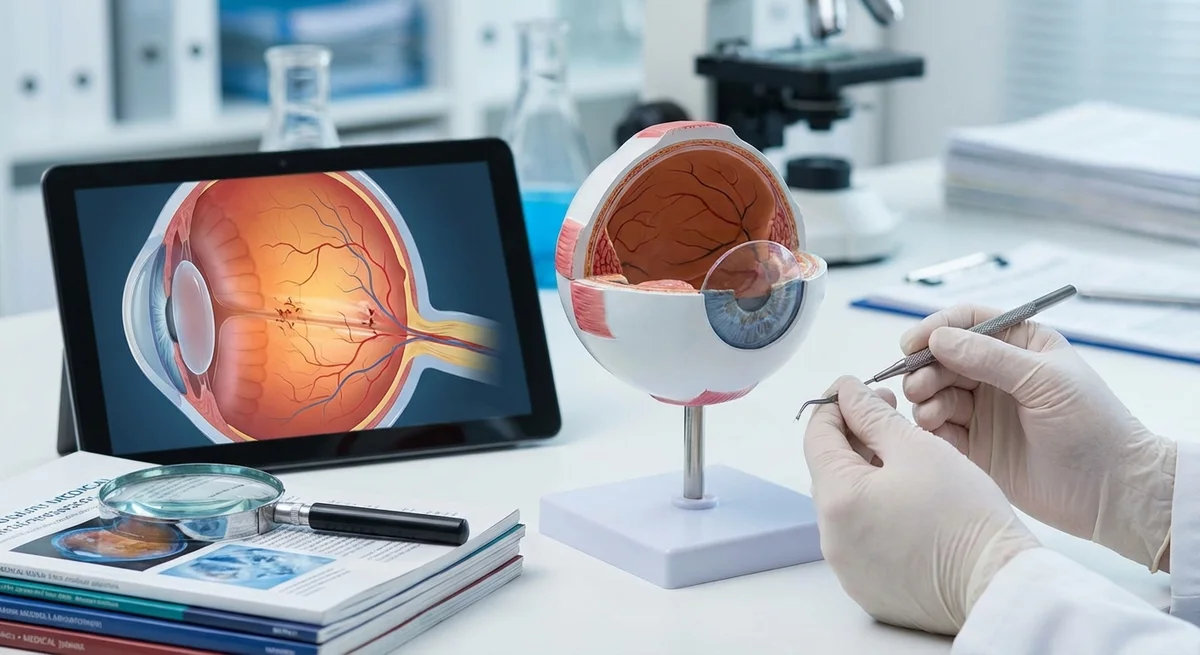
Glaucoma is a disease that damages the optic nerve, the cable that carries signals from the eye to the brain. In glaucoma, the nerve fibers called retinal ganglion cells (RGCs) gradually die off. This is different from many other eye diseases. For example, diseases like retinitis pigmentosa (RP) mainly destroy the eye’s light-sensitive cells (the photoreceptors), but the nerve pathway to the brain remains intact. Because RP patients still have working nerve connections, new technologies (like gene therapy and light-sensitive proteins) can help the remaining cells send signals and restore some vision. But in glaucoma, the wiring itself is broken – if the nerve cells are gone, even a perfect retina can’t send images to the brain. In fact, researchers note that RGCs are part of the central nervous system and have very poor ability to regrow (pubmed.ncbi.nlm.nih.gov). That means once glaucoma kills these cells, it’s extremely hard to replace them or reconnect the eye to the brain.
Even in cases like age-related macular degeneration or diabetic retinopathy, the optic nerve often stays healthy, so restoring vision means fixing or replacing the photoreceptors. In glaucoma, however, restoring sight would require not only replacing lost RGCs, but also regrowing their long optic nerve fibers and hooking them up correctly - a challenge that is still far beyond today’s technology (pubmed.ncbi.nlm.nih.gov) (pubmed.ncbi.nlm.nih.gov). To sum up, medicine can do a lot for retina problems, but when the problem is the nerve, it’s a whole other level of difficulty.
Protecting and Slowing Glaucoma Damage
Right now, the main goal for glaucoma patients is to protect the vision you still have and slow the disease, because lost vision can’t be fully recovered. The best-proved way is to lower eye pressure (intraocular pressure) with medicines or surgery. Doctors and scientists agree that early treatment to reduce pressure slows vision loss (www.nei.nih.gov). For example, the National Eye Institute reports that treating even early glaucoma right away can delay its worsening (www.nei.nih.gov).
Researchers are also testing neuroprotective therapies – treatments to keep the nerve cells alive longer. An example is CNTF implants (ciliary neurotrophic factor). In one small glaucoma study, a tiny capsule releasing CNTF was placed in the eye. It was safe and well-tolerated, and the treated eyes showed signs of structural support and maintained function (pmc.ncbi.nlm.nih.gov). (CNTF is like a “food” for nerve cells.) However, this is still experimental. Similarly, in other diseases such as geographic atrophy (a form of macular degeneration), a CNTF implant did seem to slow cell loss and even thicken the retina (indicating healthier tissue), helping to stabilize vision (pmc.ncbi.nlm.nih.gov).
In short, these treatments aim to protect remaining cells and slow down damage. They won’t restore missing vision, but they can buy time. Controlling eye pressure and using protective factors can help keep your existing vision longer, which is critical since lost retinal ganglion cells probably can’t be brought back by today’s treatments (www.nei.nih.gov) (pmc.ncbi.nlm.nih.gov).
Replacing Lost Cells
Scientists are working on ways to replace cells that glaucoma has killed, but this is extremely challenging. In other eye diseases, replacing cells is sometimes more straightforward. For instance, in retinal diseases like retinitis pigmentosa or macular degeneration, researchers have experimented with transplanting retinal pigment cells or photoreceptors, and even some stem cell therapies, to replace the damaged retinal cells. Those can succeed because the patients’ optic nerve and ganglion cells still exist to carry new signals to the brain.
For glaucoma, the target would be transplanting new RGCs or regenerating them. Studies in the lab have tried injecting lab-grown RGCs into animal eyes. But so far, the new cells face big hurdles: they often die (poor survival), don’t migrate properly into the retina, and fail to grow the right connections to other retinal cells or the brain (pubmed.ncbi.nlm.nih.gov). One review points out that transplanted RGCs struggle to arrange their nerve endings (dendritogenesis) and link up with other eye cells, let alone send long wires through the optic nerve to the brain (pubmed.ncbi.nlm.nih.gov). In simple terms, even if you could put new nerve cells into the eye, getting them to fit in and talk to the right partners is extremely hard with current techniques.
Researchers are trying creative helpers, like nanomedicine and tissue scaffolds, to support transplanted cells. For example, putting retinal precursor cells onto tiny polymer scaffolds before transplant has shown better survival in experiments (pmc.ncbi.nlm.nih.gov). The idea is a scaffold could carry and protect the new cells, helping them stick around. But this work is largely at the experimental stage. In humans, we still don’t have a proven way to grow and connect new optic nerve fibers.
Restoring Sight with New Technologies
Some of the most exciting progress in vision restoration comes from alternative signal pathways, rather than actual nerve regrowth. These have mostly been tested in diseases of the retina, but they illustrate what is possible when the optic nerve pathway is intact. For example, optogenetic therapies are being developed so that other cells in the retina can act like photoreceptors.
One example is MCO-010, an experimental gene therapy for late-stage retinal disease. MCO-010 is injected into the eye and gives certain inner retinal cells (bipolar cells) new light-sensitive proteins. In early trials for conditions like Stargardt disease (which destroys photoreceptors), MCO-010 made some patients regain measurable vision. In fact, a Phase 2 trial reported that treated patients, who previously could barely read an eye chart, gained an average of about 15 letters of vision on the chart (pmc.ncbi.nlm.nih.gov). That means they went from seeing almost nothing to being able to read some line of print, which is a big gain for someone who was nearly blind. This is possible because in those patients the optic nerve and ganglion cells were still working, so giving the retina new light sensors translated into real vision (pmc.ncbi.nlm.nih.gov).
Another example is KIO-301, a “molecular photoswitch” for patients with retinitis pigmentosa. KIO-301 is a drug that enters surviving cells in the retina (in this case, retinal ganglion cells) and makes them respond to light like photoreceptors (kiorapharma.com). In a recent clinical study, KIO-301 was well tolerated and showed signs of activating the visual pathway: treated blind patients had increased brain responses to light and could even perform visual tasks better after the injection (www.sec.gov). In one small report, a patient progressed from only seeing hand movements before treatment to being able to count fingers and navigate a simple maze after getting KIO-301 (www.hcplive.com). These results are very encouraging, but again they rely on having some surviving retinal cells and nerve connections to work with.
Key point: All these “restore vision” approaches have something in common: they need a surviving optic nerve path. For glaucoma patients, those nerve cells are missing. That means therapies like MCO-010 or KIO-301, which depend on ganglion cells, wouldn’t work unless new ganglion cells could be put in place first.
Why Scientists Are Excited
There is a lot of progress that gives hope. For patients and families, it’s encouraging that scientists are thinking creatively and making slow but steady advances:
-
New Bioengineered Therapies. The success of MCO-010 and KIO-301 in retinal diseases shows that we can engineer non-visual cells to send visual signals (pmc.ncbi.nlm.nih.gov) (www.sec.gov). These strategies (called optogenetics or photoswitches) are fast-moving fields. If similar approaches could be adapted for glaucoma, maybe one day modified brain implants or other tricks could bypass the damaged nerves.
-
Neuroprotective Trials. Trials like the NT-501 CNTF implant (for glaucoma) are promising. Scientists reported that CNTF implants were safe and the treated eyes showed structural preservation and functional hints of benefit (pmc.ncbi.nlm.nih.gov). These results support larger studies. It’s exciting because if neurotrophic factors like CNTF can keep remaining RGCs healthy, even partially, that’s a step forward.
-
Stem Cells and Scaffolds. Lab scientists have grown retinal cells from stem cells and are experimenting with ways to transplant them. They're even using nanoparticle scaffolds to improve survival (pmc.ncbi.nlm.nih.gov). Each small step – like improving cell survival or integration in animals – builds knowledge that may one day apply to humans.
-
Gene Therapy for Glaucoma Risk. (Though not a direct sight-restoration effort, some groups are working on gene therapies to slow glaucoma itself. For example, new drugs delivered by gene therapy could keep pressure low or make ganglion cells more resistant. These possibilities, while still in early stages, are part of the excitement around glaucoma research.)
Overall, scientists are excited because they see multiple ideas in the lab and clinic that could, piece by piece, move this field forward. Success in other eye diseases shows that "restoring vision" is not science fiction, and lessons learned there might someday help glaucoma patients too (pmc.ncbi.nlm.nih.gov) (www.sec.gov).
Why Patients Should Stay Realistic
While research is hopeful, glaucoma patients should keep expectations in check. There are no near-term cures that will bring back lost vision. Here’s why:
-
Existing devices are limited. Current artificial vision devices (like retinal implants) have given some blind people tiny bits of vision, but not usually enough to read or drive. They work best in diseases where some retina-neuron connections remain. For glaucoma’s widespread nerve damage, nothing on the market addresses it specifically.
-
Transplants remain experimental. No clinic can yet transplant RGCs and guarantee they reconnect. Animal studies show this remains a major hurdle (pubmed.ncbi.nlm.nih.gov). Even in the lab, success is rare or partial. That means “RGC replacement therapy” is still years, probably decades away from any human use.
-
Gene and cell therapies take time. The optogenetic treatments (like MCO-010) required years of research and are only now in mid-stage trials for other diseases. If one of these ever were to be tried for glaucoma, it would also be many years out, and would require the nerve pathways to be intact or replaced. Similarly, CNTF implants or other neuroprotective strategies need large trials to prove they actually preserve vision over time. Often, initial small studies look promising, but large trials may be needed to know if real vision is saved for patients.
-
Not all experimental results pan out. For example, earlier trials of CNTF implants in retinitis pigmentosa did not show significant vision improvement (pmc.ncbi.nlm.nih.gov). It helped keep some cells alive, but patients didn’t get better vision than before. This shows that even when a treatment sounds promising, it might not turn into a usable therapy.
-
Timeline and reality. Even after successful lab breakthroughs, moving to approved treatments takes many years of testing. Patients should not expect a cure to appear next year. Instead, staying informed, adhering to current treatments, and participating in approved trials (when possible) is the best approach.
In summary, while each new research result adds hope, there are many scientific and technical hurdles left. It’s wise to stay hopeful about research, but realistic if a specific solution will help in the near future.
What to Watch for Next
Research in vision is advancing on many fronts. For glaucoma patients, here are a few developments to keep an eye on:
-
Clinical Trials of Neuroprotectants. The phase II trials of CNTF implants for glaucoma will report results in the coming years. If these show that treated eyes lose vision more slowly than controls, it could become a therapy to preserve what you have.
-
Optogenetic and Photoswitch Progress. Watch for updates on MCO-010, KIO-301, and similar technologies in inherited retinal diseases. If they show strong, lasting vision improvements, companies may begin thinking about ways to adapt related ideas for optic nerve diseases.
-
Retinal Ganglion Cell Studies. Labs are steadily improving techniques to grow and transplant RGCs. While not in humans yet, announcements of better survival or connection in animal models would be important milestones.
-
Innovative Implants. Keep an eye on any new vision prosthetic devices or brain interfaces. Though they are primarily aimed at retina-blindness, in the distant future there may be implants that stimulate the visual cortex or optic nerve directly.
-
Stem Cell Therapies. Companies are exploring stem cell treatments for various eye conditions. A successful stem-cell derived product for, say, macular degeneration could open the door to similar methods for glaucoma if the nerve connection issue can be addressed.
-
Policy and Funding. Funding announcements (e.g., from the National Eye Institute or foundations) focused on optic nerve regeneration would signal increased effort.
Most importantly, continue to get regular eye exams and follow your doctor’s treatment plan. Controlling glaucoma today remains the best way to protect your vision. But at the same time, science is steadily moving forward. Every year brings more knowledge and new clinical trials. By following reputable sources (like medical journals and clinical trial announcements) and talking with your eye care team, you’ll know when a realistic new therapy is on the horizon.
In conclusion, restoring lost sight in glaucoma is much harder than for some other eye diseases because glaucoma destroys the nerve fibers themselves (pubmed.ncbi.nlm.nih.gov) (pubmed.ncbi.nlm.nih.gov). While researchers are excited by creative new approaches (from neurotrophic implants to optogenetics) (pmc.ncbi.nlm.nih.gov) (pmc.ncbi.nlm.nih.gov) (www.sec.gov), patients should stay informed yet cautious. The landscape of eye research is moving, so stay hopeful about scientific progress and patient-friendly about its timeline.