
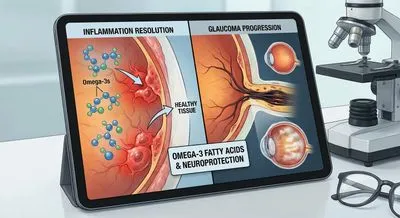
Omega-3 Fatty Acids, Inflammation Resolution, and Glaucoma Progression
Not all trials find benefit. Some case series and a controlled study in normal-tension glaucoma showed no improvement in visual fields or nerve layer...
Deep research and expert guides on maintaining your visual health.
Not all trials find benefit. Some case series and a controlled study in normal-tension glaucoma showed no improvement in visual fields or nerve layer...
Track peripheral vision changes between eye doctor visits. Start your free trial and get results in under 5 minutes.
EPA stands for eicosapentaenoic acid, a long-chain omega-3 fatty acid found mainly in fatty fish and marine oils. It serves as a building block for signaling compounds that influence inflammation and blood flow, making it important for overall cardiovascular health. EPA can help lower triglyceride levels, reduce excessive clotting tendencies, and support a healthier balance in immune responses. Because it helps regulate how immune cells behave, EPA may keep inflammation from becoming excessive or chronic. The body can convert some dietary EPA into other useful molecules, but conversion is limited, so getting EPA directly from food or supplements is often recommended. People commonly use EPA supplements to support heart health and manage inflammatory conditions as part of a broader health plan. EPA also serves as a precursor for molecules that actively help resolve inflammation, so it supports both control and recovery. As with any supplement, it’s wise to talk with a healthcare professional about appropriate doses and potential interactions, especially for people on blood thinners. Overall, EPA is a key omega-3 fat that helps the body manage inflammation and protect heart and circulatory health.