

Nocturnal hypotension, sleep apnea, and ocular perfusion: continuous monitoring studies
Importantly, body position and sleep also matter. Normally, when you lie down, intraocular pressure (IOP) tends to rise (by 10–20%) because eye fluid...
Deep research and expert guides on maintaining your visual health.
Importantly, body position and sleep also matter. Normally, when you lie down, intraocular pressure (IOP) tends to rise (by 10–20%) because eye fluid...
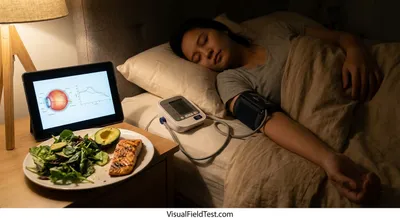
Research has shown that excessive night-time hypotension is associated with glaucomatous damage. In fact, Hayreh and colleagues found that night-time...

However, hiking also brings challenges: long treks can lead to dehydration, strong sunlight, and difficult footing. Importantly for glaucoma...

After you stop running, your blood pressure usually remains elevated for a minutes (especially if the pace was high) and then falls back. Immediately...
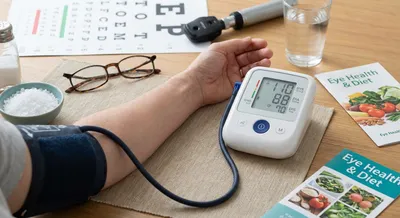
For example, a major review found “strong relationships between low ocular perfusion pressure and open-angle glaucoma” – in population studies, eyes...
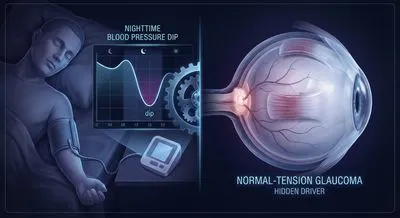
OPP is like the eye’s blood “fuel”. When systemic blood pressure (the “pump”) falls or eye pressure (“back pressure”) rises, OPP drops. Decades of...

After drinking coffee or another caffeinated drink, caffeine is rapidly absorbed – reaching peak blood levels in about 1–1.5 hours (). At doses of...
Ocular perfusion pressure is the difference between the pressure pushing blood into the eye’s tissues and the pressure inside the eye that opposes that flow. It is commonly thought of as the blood pressure reaching the retina and optic nerve after subtracting intraocular pressure. This value helps determine how well oxygen and nutrients are delivered to the delicate cells that sense light. If perfusion pressure is too low, those cells can be starved and begin to malfunction or die, which can lead to vision loss. Conditions that lower perfusion pressure include low systemic blood pressure, particularly at night, and high pressure inside the eye. People with narrowing of blood vessels, diabetes, or cardiovascular disease can also have reduced blood flow to the eye. Clinicians consider this pressure when evaluating risks for eye diseases like glaucoma, where both eye pressure and blood flow affect outcomes. It can change with posture, medication, and lifestyle, so maintaining healthy blood pressure and eye pressure is important. Measuring it directly is not done in every clinic, but understanding the factors that influence it helps guide treatment decisions. In short, adequate ocular perfusion pressure is essential for keeping eye tissues healthy and preserving vision.