
A Cataract Lens That Also Treats Glaucoma? What the New BIM-IOL Study Means for Patients
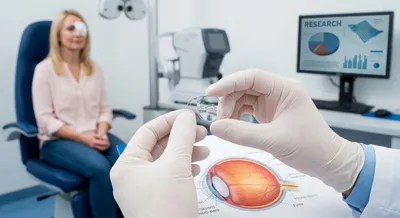
In March 2026, SpyGlass Pharma reported early results from a trial of their BIM-IOL System. This news is exciting but should be read carefully. The...
Deep research and expert guides on maintaining your visual health.
In March 2026, SpyGlass Pharma reported early results from a trial of their BIM-IOL System. This news is exciting but should be read carefully. The...

That said, some forms of glaucoma do cause head pain. Below we contrast the painless “slow” glaucoma with the painful “fast” glaucomas and other...
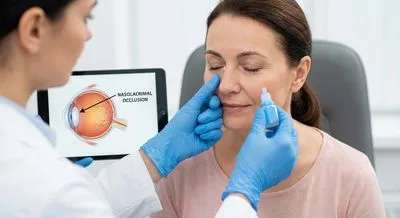
Figure: Handle the eye drop bottle carefully. Do not let the tip touch your eye or eyelid – this keeps the bottle sterile and prevents infection ().
Blind spots often develop gradually without symptoms. Start a free trial and take a quick visual field test to spot changes early.
Find Out NowGlaucoma medication is any medicine used to lower pressure inside the eye and protect the optic nerve from damage. These medicines do not reverse existing vision loss but they slow or stop further loss by reducing fluid production in the eye or helping fluid drain more easily. They come in several forms, most commonly eye drops, but sometimes pills or injections are used and surgical options are available when medicines aren’t enough. Common classes include prostaglandin analogs, beta-blockers, alpha agonists, carbonic anhydrase inhibitors, and newer drugs that work in different ways. Side effects can be local, like redness or stinging, or systemic if a drug enters the bloodstream, so doctors choose medicines based on a person’s overall health. Taking the medicine exactly as prescribed and using the correct application technique are important for getting the full benefit and avoiding waste. Regular follow-up with an eye care provider is needed to check eye pressure, monitor the optic nerve, and adjust treatment if pressure control is not adequate. Because glaucoma often has no early symptoms, treatment matters even when vision seems normal—early control prevents permanent blindness. Understanding the options, possible side effects, and the need for ongoing care helps people with the condition keep their eyesight as long as possible.