
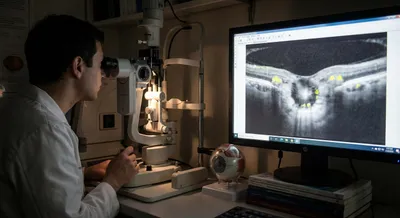
Why Is It So Hard to Prove a Treatment Protects the Optic Nerve in Glaucoma?
For example, imagine a treatment that boosts the survival of optic nerve fibers or blocks harmful chemical processes in the nerve. If such a...
Deep research and expert guides on maintaining your visual health.
For example, imagine a treatment that boosts the survival of optic nerve fibers or blocks harmful chemical processes in the nerve. If such a...

There is no single answer to “how fast does glaucoma progress?” – rates vary enormously. Major studies show untreated glaucoma often worsens...
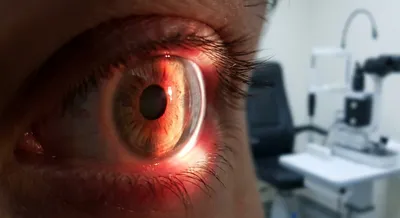
High pressure in the eye leads to irreversible vision loss if not relieved. In fact, studies show angle-closure glaucoma causes blindness far more...
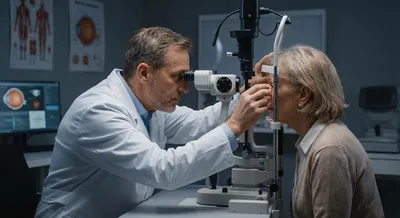
Early detection is crucial. By the time a typical visual field test catches glaucoma, roughly half of the retinal nerve cells (retinal ganglion...
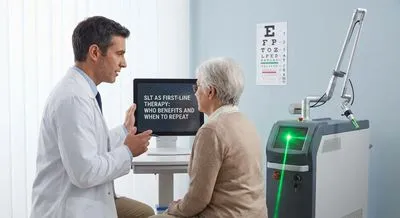
The pivotal LiGHT trial (Lancet 2019) compared first-line SLT to eye drops in newly diagnosed glaucoma/ocular hypertension patients () (). Over 3...
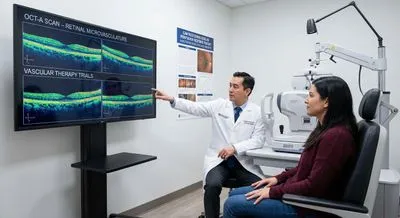
OCT-Angiography (OCT-A) captures images of blood flow by detecting moving red blood cells in the eye’s capillaries. Two key metrics are often...
Our visual field test is inspired by the perimetry methods eye care professionals use. Check for blind spots and track changes over time.
Test Your VisionGlaucoma treatment refers to the range of approaches used to slow or stop damage to the optic nerve and prevent vision loss. Because raised pressure inside the eye is a major risk factor, most treatments aim to lower that pressure by either reducing the amount of fluid the eye produces or increasing the eye’s ability to drain fluid. The first-line approach for many people is daily eye drops that help control pressure, and these are usually tried and adjusted over time. If eye drops are not enough or cause intolerable side effects, doctors may use laser procedures to improve drainage or reduce fluid production. When medications and lasers do not adequately control pressure, surgical options create new drainage pathways or use small devices to help the fluid escape safely. In recent years, less-invasive procedures have become available that can lower pressure with shorter recovery times and fewer risks than traditional surgery. Good glaucoma care also includes regular testing to monitor the optic nerve and visual field so treatment can be adapted as needed. Adherence to prescribed therapy and attending follow-up visits are crucial because any vision lost from glaucoma is usually permanent, but timely and consistent treatment can preserve sight.