
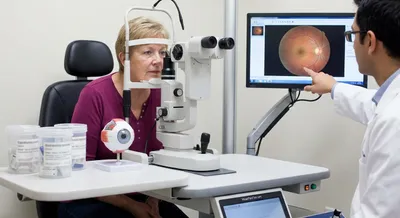
Glaucoma and Glutamine: Is There a Real Link Through Glutamate, Retinal Metabolism, and Neurodegeneration?
Neuron releases glutamate → Glial cell converts glutamate → glutamine → Glial cell sends glutamine back → Neuron converts glutamine back to...
Deep research and expert guides on maintaining your visual health.
Neuron releases glutamate → Glial cell converts glutamate → glutamine → Glial cell sends glutamine back → Neuron converts glutamine back to...

Current research has focused on three NAD precursors: nicotinamide (vitamin B₃), nicotinamide riboside (NR), and nicotinamide mononucleotide (NMN)....

Endothelin-1 (ET-1) is made by cells lining blood vessels throughout the body, and it helps regulate normal blood pressure and flow. In the eye, ET-1...

A nationwide Danish registry study also found that GLP-1 agonist use was linked to a lower glaucoma risk. Compared to diabetic patients on other...

What the study found: A new research report suggests that tiny leaks in tiny blood vessels in the eye may contribute to glaucoma damage. In simple...

However, hiking also brings challenges: long treks can lead to dehydration, strong sunlight, and difficult footing. Importantly for glaucoma...

Importantly, snorkeling is mostly done at the surface where the water pressure is nearly the same as on land, so you avoid the pressure changes of...
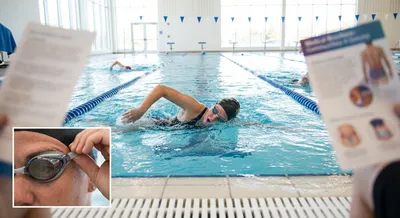
However, swimming has some unique eye-related factors. Tight-fitting goggles, the face-down posture of freestyle, and chlorinated pool water can...
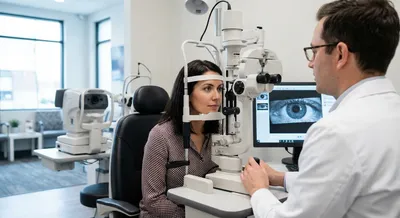
Knowing that the eye’s angle may stabilize in midlife is reassuring in that it may not continue to close rapidly in later years. But for at-risk...
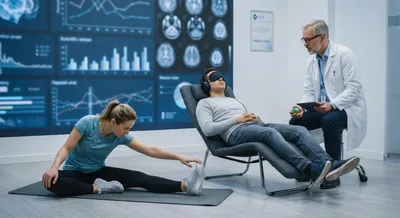
Researchers are interested in lifestyle factors because glaucoma involves more than just eye pressure. Things like poor blood flow, stress, or low...

Capturing slow changes in eye pressure and fields (monitoring). A recent study (the ADAGES group) looked at long-term glaucoma data and found that...
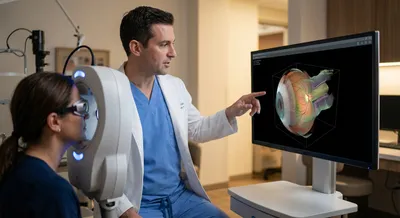
To check the RNFL, doctors commonly use optical coherence tomography (OCT), a non-invasive imaging test that takes cross-sectional “slice” pictures...
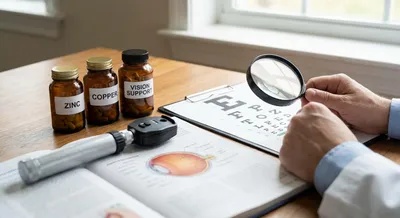
It’s worth noting that many people regularly exceed safe zinc intakes. The National Institutes of Health advise that healthy adults only need about...
In contrast, the evidence in glaucoma is sparse and mixed. No large clinical trial has proven that taking antioxidant pills improves glaucoma...
Glaucoma is roughly twice as common in older adults, and women make up a large portion of patients. Researchers have long noticed that female...

Logically, such a diet is rich in antioxidant nutrients. Antioxidants (like vitamin C, vitamin E, and minerals such as zinc) neutralize harmful...

Commercial and research groups are already developing such systems. For instance, the Medios AI-Glaucoma system (Remidio, India/ Singapore)...
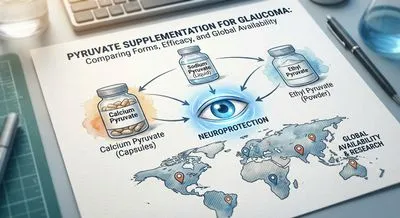
Pyruvate is a three-carbon compound our bodies make when sugars are broken down for energy (). Think of it as a key fuel molecule: it can enter cells...
Eye health means the overall condition and proper functioning of your eyes and visual system. It includes clear vision, comfortable eyes, healthy eyelids and tear film, and well-functioning parts like the cornea, lens, retina and optic nerve. When eyes are healthy you can see clearly, judge distances, focus on objects and sense light and color correctly. Many things can affect it, including genetics, aging, infections, injuries, long screen use, chronic diseases such as diabetes, and exposure to bright light or environmental irritants. Common problems include blurry vision, dry or red eyes, glaucoma, cataracts and age-related changes that can reduce sight over time. Eye wellbeing matters because vision affects almost every part of daily life — work, learning, driving and personal safety depend on clear sight. Poor eye condition can cause headaches, reduced independence, accidents and lower quality of life, and some problems are easier to treat the earlier they are found. Regular eye exams help catch changes early and allow treatments that can preserve or improve sight, such as glasses, medications, surgery or lifestyle adjustments. Simple habits also support healthy eyes: wearing sunglasses that block UV rays, limiting continuous screen time, taking breaks to blink and rest, eating a balanced diet rich in leafy greens and omega-3 fats, and controlling blood sugar and blood pressure. Knowing family history and seeking prompt care for pain, sudden vision changes or persistent symptoms can prevent serious harm. With a mix of prevention, awareness and appropriate medical care, most people can maintain good eye function well into older age.