
A New Glaucoma Implant Study: Can It Protect Vision, and Can It Bring Lost Vision Back?
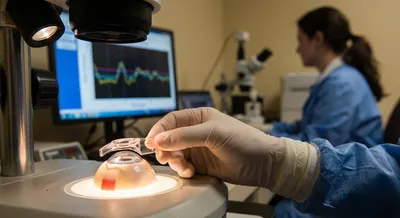
The NT-501 implant is a small capsule (about 1×6 mm) that a surgeon places inside the eye (in the gel-like vitreous near the retina) during a minor...
Deep research and expert guides on maintaining your visual health.
The NT-501 implant is a small capsule (about 1×6 mm) that a surgeon places inside the eye (in the gel-like vitreous near the retina) during a minor...
Visual field loss from conditions like glaucoma can go unnoticed. Start a free trial and screen for potential blind spots in minutes.
NT-501 is a specific type of implant that was developed to deliver ciliary neurotrophic factor to the retina over months to years. It contains living cells that have been engineered to produce CNTF and are enclosed within a tiny, permeable capsule that lets the protein out but keeps the cells contained. The device is surgically placed in the eye area so the released protein reaches retinal cells directly. Because the cells inside continuously make CNTF, the implant provides a steady dose without the need for frequent injections. NT-501 has been tested in clinical studies for several retinal and optic nerve conditions to see if it can slow degeneration and preserve vision. One advantage of this approach is that it targets the eye locally, reducing the chance of whole-body side effects from the therapy. The implant can be removed or replaced if needed, which gives flexibility in managing long-term treatment. As with any implant, researchers watch for surgical complications, immune reactions, and how well the implant continues to work over time. If proven safe and effective, NT-501 and similar devices could offer a practical way to deliver protective proteins to the eye for people at risk of progressive vision loss.