
Can Glaucoma Be Cured?
Glaucoma is a long-lasting eye disease that slowly damages the optic nerve, causing irreversible vision loss. It is often called the “silent thief of sight” because damage occurs without pain or obvious symptoms until significant vision is lost (eyesurgeryguide.org) (pmc.ncbi.nlm.nih.gov). In fact, glaucoma is one of the leading causes of permanent blindness worldwide (pmc.ncbi.nlm.nih.gov). According to the U.S. National Eye Institute (NEI), “there’s no cure for glaucoma, but treatment can often stop the damage and prevent further vision loss.” (www.nei.nih.gov) (www.nei.nih.gov). In other words, current therapies can manage intraocular pressure (IOP) and slow progression, but they cannot restore vision that has already been lost.
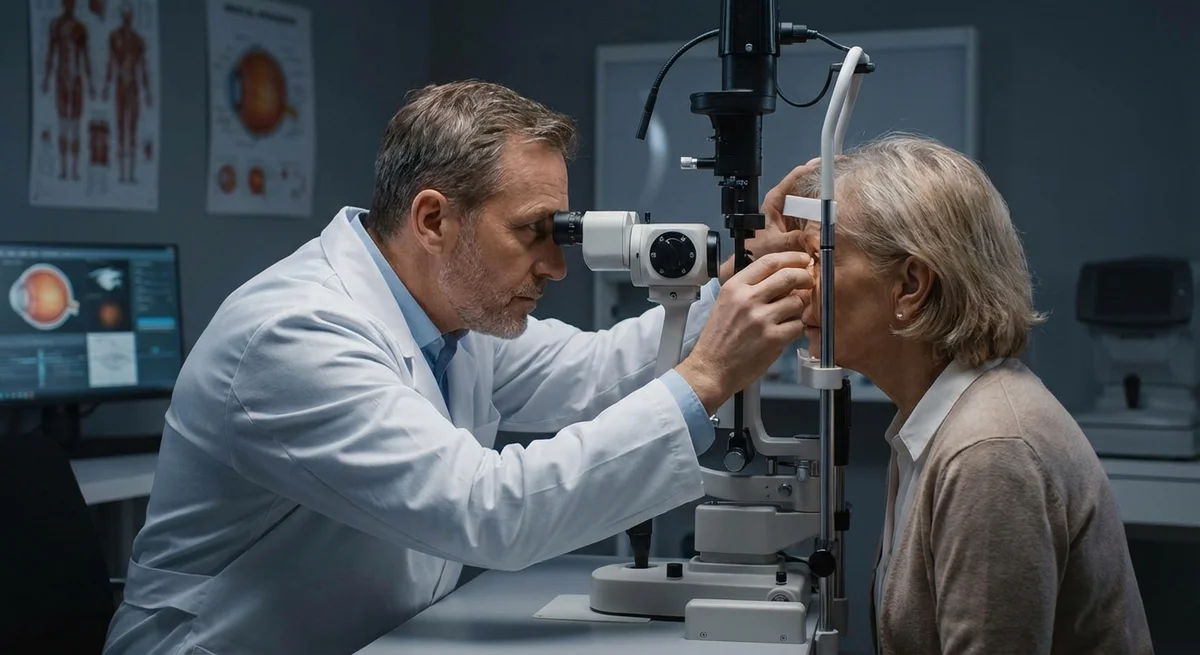
Early detection is crucial. By the time a typical visual field test catches glaucoma, roughly half of the retinal nerve cells (retinal ganglion cells, RGCs) may already be dead (pmc.ncbi.nlm.nih.gov). For patients, this means regular eye exams are key: once optic nerve fibers are gone, today’s medicine cannot bring them back (www.nei.nih.gov) (pmc.ncbi.nlm.nih.gov). The focus is therefore on preserving remaining vision.
How Glaucoma Works
Glaucoma involves damage to the optic nerve head and death of retinal ganglion cells (pmc.ncbi.nlm.nih.gov) (pmc.ncbi.nlm.nih.gov). This damage is most often linked to elevated intraocular pressure (IOP) – pressure inside the eye from fluid buildup. Normally, the eye maintains a balance between fluid production and drainage. In many forms of glaucoma, fluid drains too slowly, raising IOP. However, glaucoma is complex: even people with normal IOP (normal-tension glaucoma) can have optic nerve damage for other reasons. The final common pathway is the same – loss of RGCs and thinning of the optic nerve.
There are several major types of glaucoma:
- Primary Open-Angle Glaucoma (POAG) – the most common form. The drainage angle appears open, but microscopic clogging in the trabecular meshwork (a drainage tissue) causes a gradual pressure rise. It usually develops slowly and painlessly (pmc.ncbi.nlm.nih.gov).
- Angle-Closure Glaucoma – the iris (colored part of eye) suddenly blocks the drainage angle, causing a rapid and often painful spike in pressure (pmc.ncbi.nlm.nih.gov). This is an emergency (often called an acute glaucoma attack) that requires immediate treatment (laser iridotomy or surgery) to prevent permanent blindness.
- Normal-Tension Glaucoma – here the optic nerve is damaged even though IOP remains in the normal range (pmc.ncbi.nlm.nih.gov). Its exact cause isn’t fully understood; factors may include poor blood flow or sensitivity of the nerve. Treatment still focuses on lowering IOP, since studies show it slows progression.
- Congenital Glaucoma – seen in infants and young children, caused by developmental defects of the eye’s drainage system (pmc.ncbi.nlm.nih.gov). This form almost always has very high pressure at birth. It’s rare but very serious if not treated early.
Regardless of type, all glaucoma subtypes share damage to the optic nerve head (pmc.ncbi.nlm.nih.gov) (pmc.ncbi.nlm.nih.gov). Elevated IOP is the best-known risk factor, and lowering it is the only proven way to treat glaucoma (pmc.ncbi.nlm.nih.gov). (As one review noted, “lowering IOP is currently the only documented method of treating glaucoma.” (pmc.ncbi.nlm.nih.gov)) But lowering pressure does not cure glaucoma; it only aims to slow or stop further nerve damage.
Current Treatments: Slowing Progress
All existing therapies for glaucoma work by lowering eye pressure. There are several approaches:
Medications (Eye Drops and Oral Drugs)
The first line of treatment for most patients is eye drops. These medications either decrease fluid production in the eye or increase its outflow. Common classes include:
- Prostaglandin analogues (e.g. latanoprost, bimatoprost) – increase uveoscleral outflow.
- Beta-blockers (e.g. timolol) – reduce fluid production.
- Alpha agonists (e.g. brimonidine) – both lower fluid production and may protect nerve cells.
- Carbonic anhydrase inhibitors (e.g. dorzolamide) – reduce fluid production.
- Rho kinase inhibitors (e.g. netarsudil) and other newer drugs – increase outflow through the trabecular meshwork.
Doctors often start with one drug and add more if needed, even using combination drops. These medications can dramatically lower IOP and have been shown in trials to delay optic nerve damage. For example, in ocular hypertension (high IOP but no glaucoma yet), timolol for five years significantly delayed the onset of glaucoma (pmc.ncbi.nlm.nih.gov).
However, there are limitations. Eye drops must be taken daily for life, often multiple times a day. Adherence (patient compliance) is a major problem. In practice, many patients forget drops or stop when they feel fine. Studies show that poor adherence is a leading cause of continued progression (pmc.ncbi.nlm.nih.gov). Side effects are common too: eye irritation, redness, changes in eye color, and even systemic effects (for example, beta-blockers can affect heart or lungs). Long-term exposure to preservatives in drops (like benzalkonium chloride) can damage the surface of the eye (pmc.ncbi.nlm.nih.gov).
Recent innovations aim to address these issues. For example, a sustained-release implant (Durysta™) was approved in 2020. It is a tiny biodegradable implant placed inside the eye that continuously releases bimatoprost (a prostaglandin) for several months (pmc.ncbi.nlm.nih.gov). This could help patients who struggle with daily drops. Other implants and injected nanoparticles are under investigation to deliver drugs over time. But for now, conventional eye drops (and sometimes pills) remain the cornerstone of therapy.
Laser Treatments
Lasers offer another way to lower IOP, either by helping drainage or reducing fluid production:
-
Laser Trabeculoplasty (ALT/SLT) – In open-angle glaucoma, laser energy is applied to the trabecular meshwork to stimulate it to drain better. Traditional Argon Laser Trabeculoplasty (ALT) has largely been replaced by Selective Laser Trabeculoplasty (SLT), introduced in 1998 (pmc.ncbi.nlm.nih.gov). SLT uses low-energy pulses and can be repeated. It is now often offered as first-line treatment. SLT can lower IOP similarly to one medication and may allow some patients to reduce or stop drops. However, its effect tends to wane over time — many patients need retreatment after a few years. Studies show about half of patients who respond to SLT maintain the benefit for 3–4 years (pmc.ncbi.nlm.nih.gov).
-
Laser Peripheral Iridotomy (LPI) – For angle-closure glaucoma, an emergency LPI is done. A laser makes a tiny hole in the iris, allowing fluid to flow and relieving sudden pressure spikes. LPI can prevent acute attacks and is often done in eyes with very narrow angles. While it treats the mechanism of acute angle closure, chronic damage may still need additional treatments.
-
Laser Cyclophotocoagulation – Sometimes a laser is used to partially destroy the ciliary body (the fluid-producing tissue) to reduce production. This is usually reserved for very advanced or refractory cases because it can be unpredictable.
Overall, laser treatments are adjuncts. They do not cure glaucoma, but can help delay or reduce the need for surgery and some drops. Importantly, no laser procedure can restore already lost vision.
Surgical Treatments
When medications and laser cannot control pressure, surgeries are performed. These usually create a new drainage route for fluid:
-
Trabeculectomy (Filtering Surgery) – This is the traditional “gold-standard” glaucoma surgery. The surgeon creates a small flap in the sclera (white of the eye) and an opening under this flap to let fluid drain from the inside of the eye to a space under the conjunctiva (the eye’s outer surface). A tiny bubble (“bleb”) forms there, absorbing fluid. Trabeculectomy often lowers IOP very effectively (often into single digits), more than drops or MIGS can. In a large study, about 69–73% of eyes had good long-term pressure control (≤18 mmHg) six years after trabeculectomy (pmc.ncbi.nlm.nih.gov). Many patients then need minimal or no medications.
However, trabeculectomy has significant risks. Complications can include excessive bleb scarring (failure of the surgery), very low pressure (hypotony), bleb leaks, infection (endophthalmitis), cataract formation, and vision-threatening bleb-related problems. After surgery, patients must be monitored closely, including frequent visits to adjust medications and manage bleb health. Despite these risks, filtering surgery can highly preserve vision if done by skilled surgeons for advanced glaucoma.
-
Glaucoma Drainage Devices (Tube Shunts) – These are small tube-and-plate implants (e.g., Ahmed, Baerveldt, Molteno valves) placed in the eye to divert fluid to a plate on the sclera. They work similarly to trabeculectomy but with a device to prevent scarring. They have comparable efficacy in lowering pressure. They are often chosen when trabeculectomy has failed or in certain conditions (like uveitic or neovascular glaucoma). Like trabeculectomy, tubes carry risks (e.g., infections around the tube, tube obstruction) and require monitoring.
-
Minimally Invasive Glaucoma Surgery (MIGS) – Over the past decade, a variety of MIGS devices and techniques have appeared. These include tiny stents (like the iStent, Hydrus Microstent, Xen Gel Stent, etc.) or procedures to bypass or dilate the outflow pathways, usually performed through a small incision (ab interno). MIGS are designed to enhance outflow (through Schlemm’s canal or subconjunctival space) with much less tissue trauma than traditional surgery (pmc.ncbi.nlm.nih.gov) (pmc.ncbi.nlm.nih.gov). They are often done at the time of cataract surgery for mild-to-moderate glaucoma.
Advantages: MIGS generally have a faster recovery and fewer severe complications than trabeculectomy (pmc.ncbi.nlm.nih.gov) (pmc.ncbi.nlm.nih.gov). They preserve the conjunctiva so future surgeries remain possible. In many patients, MIGS lower IOP modestly (often by a few mmHg) and reduce the number of needed drops.
Limitations: MIGS usually do not reduce pressure as much as traditional surgery. That means they are not generally powerful enough for advanced or very severe glaucoma. Long-term data is still accumulating, but initial studies show good safety. For example, one MIGS review notes: “MIGS offers improved safety and recovery, but they may not achieve the same degree of IOP reduction as traditional glaucoma surgeries” (pmc.ncbi.nlm.nih.gov). Because of this, MIGS are typically indicated for early-stage or moderate open-angle glaucoma, or for patients who cannot tolerate drops.
In summary, none of these treatments cures glaucoma. Their goal is to lower the eye pressure and thus halt or slow down optic nerve damage. Surgery and drops can often stabilize vision for many years, but they cannot regenerate lost nerve fibers. As the NEI puts it, glaucoma “can’t be prevented or cured” – only managed to slow further loss (www.nei.nih.gov).
Cutting-Edge Research: Hope for the Future
Because current therapies only manage glaucoma, scientists are pursuing many experimental approaches that aim for a functional cure – i.e. not just lowering pressure, but protecting or even repairing the optic nerve. This research is very active but still largely at the laboratory or early clinical trial stage.
Neuroprotective Treatments
Aside from pressure control, researchers are seeking drugs that directly protect RGCs. The idea is to shield retinal neurons from damage mechanisms like glutamate toxicity, oxidative stress, and inflammation (pmc.ncbi.nlm.nih.gov). Examples under investigation include:
- Brimonidine: An existing IOP-lowering drop, brimonidine has shown neuroprotective effects in lab studies (pmc.ncbi.nlm.nih.gov). It may help RGC survival by boosting growth factors and reducing cell death pathways.
- Nicotinamide (Vitamin B3): A form of vitamin B3 has shown promise in animal glaucoma models by improving mitochondrial function. Human trials are underway.
- Citicoline: A supplement that supports cell membrane health and neurotransmitter function. Some clinics already use this, and research is ongoing.
- Antioxidants and Neurotrophic Factors: Substances like memantine (an NMDA receptor blocker), Ginkgo biloba extract, resveratrol, and injected nerve growth factors have all been studied (pmc.ncbi.nlm.nih.gov). Unfortunately, most large trials to date have failed to prove benefit. For example, memantine did not reduce glaucoma progression in a major trial (pmc.ncbi.nlm.nih.gov). Similarly, nerve growth factor eye drops have shown safety but only modest effects in early studies (pmc.ncbi.nlm.nih.gov).
- Encapsulated Cell Therapy: One innovative strategy is to implant cells that constantly release a neurotrophic factor. For instance, the NT-501 implant (encapsulated cells secreting ciliary neurotrophic factor, CNTF) is in phase II trials for glaucoma (pmc.ncbi.nlm.nih.gov). Early results are mixed, and it’s still experimental.
The 2024 review Advances in Neuroprotection summarizes: “Many pharmacological agents (brimonidine, neurotrophic factors, memantine, etc.) show promise in early studies, but further research is needed to confirm efficacy in glaucoma” (pmc.ncbi.nlm.nih.gov). In plain terms: none of these have yet delivered a clear neuroprotective success in patients. If any do, they could halt or slow optic nerve loss even if IOP is normal, which would be revolutionary.
Gene Therapy and Genome Editing
Glaucoma has genetic components, especially in juvenile and congenital forms. Gene-based therapies aim to fix the underlying causes in DNA. There are two broad approaches:
-
Gene Replacement/Silencing (Traditional Gene Therapy): For inherited glaucoma (e.g. juvenile myocilin glaucoma or CYP1B1-related congenital glaucoma), one could add a normal copy of the gene or silence a mutant one. Researchers have identified at least three key genes linked to glaucoma: MYOC (myocilin), OPTN (optineurin), and WDR36. Among these, MYOC is well-studied. Myocilin mutations cause protein misfolding and stress in the trabecular meshwork, raising pressure. In theory, delivering a healthy copy of MYOC or silencing the mutant copy could prevent high pressure. So far, no human eye gene therapy for glaucoma is FDA-approved. Most work is in animal models or lab studies. A 2024 review calls gene therapy for glaucoma “a dream that has not come true yet” (pmc.ncbi.nlm.nih.gov).
-
CRISPR/Cas9 and Genome Editing: This newer technology can directly cut and edit DNA in eye cells. Very encouraging results have appeared in lab studies. For example, a landmark study used CRISPR-Cas9 editing to disable the mutant myocilin gene in mouse eyes. The treated mice had lower IOP and no further optic nerve damage, compared to untreated controls (pmc.ncbi.nlm.nih.gov). This shows it’s possible, in principle, to “turn off” a glaucoma-causing gene with one treatment. Researchers also demonstrated feasibility in cultured human eye tissues.
Building on this success, a first-in-human clinical trial was launched in mid-2024. The study (NCT06465537) by a Shanghai company will test an intracameral (inside eye) injection of a CRISPR-based therapy (called BD113) in patients with MYOC-mutant glaucoma (clinicaltrials.gov). This is a small, early safety trial, so far enrolling only 6–9 patients. It’s designed to see if the treated eyes can safely tolerate the editing and whether IOP decreases. Results are expected by late 2025 or 2026 (based on the study timeline) (clinicaltrials.gov). If it works, this could be the world’s first gene-editing therapy for glaucoma.
For other subtypes, gene therapy is more exploratory. For example, some researchers are studying viral vectors to deliver genes that protect nerve cells or improve outflow. There are animal studies of editing other targets (like the aquaporin channel to reduce fluid) (pmc.ncbi.nlm.nih.gov). However, most complex (late-onset) glaucoma involves many genes and environmental factors, making therapy harder.
In summary, gene therapies hold great promise for some forms of glaucoma, especially those with a known single-gene cause. But they face huge hurdles (safe delivery, off-target effects, durability). Right now all gene/Cas trials are very early, and widespread clinical use is years away. Experts caution they are a long-term hope, not an immediate cure (pmc.ncbi.nlm.nih.gov) (pmc.ncbi.nlm.nih.gov).
Stem Cell Approaches
Stem cell therapy envisions regenerating cells lost to glaucoma or strengthening the drainage system. There are two main ideas:
-
Rebuilding the trabecular meshwork: In glaucoma, the drainage cells decline over time. Several labs have tested injecting stem cells (e.g. trabecular meshwork stem cells, adipose-derived mesenchymal stem cells) into animal eyes. Encouragingly, multiple studies report that these cells can populate the meshwork, increase cellularity, and improve outflow, which helps normalize IOP (pmc.ncbi.nlm.nih.gov) (pmc.ncbi.nlm.nih.gov). For example, Coulon et al (2022) review how stem cells injected into glaucomatous eyes restored TM cellularity and helped control pressure (pmc.ncbi.nlm.nih.gov) (pmc.ncbi.nlm.nih.gov). These cells also appeared stable and did not cause major problems in animal studies. No human trials have reported results yet, but authors are proposing early clinical studies. If successful, TM stem cell therapy could be a one-time treatment to improve drainage and halt pressure rises.
-
Regenerating retinal ganglion cells or optic nerve: This is far more challenging. Unlike the drainage cells, RGCs are neurons that need precise connections to the brain. Current stem cell science has not yet figured out how to regrow a functioning optic nerve. Experiments are looking at transplanting RGCs derived from pluripotent cells, but integration and proper wiring to the brain remain unsolved. As one review notes, “regenerating RGCs has proven difficult due to the complex architecture of the retina… it may be more feasible to restore cells in the trabecular meshwork” (pmc.ncbi.nlm.nih.gov). In other words, TM regeneration is within reach, but optic nerve regeneration is still high-risk research.
Researchers are also studying stem cells that release protective factors. For instance, stem cells placed near the retina could secrete neurotrophic factors. This approach overlaps with the gene/cell therapy strategy (like the CNTF implant mentioned above).
Finally, it’s important to note that stem cell ophthalmology is still experimental. Aside from a few approved trials for retinal diseases, no stem cell “cure” exists for glaucoma. The FDA warns that unproven stem injections can be dangerous if done improperly (pmc.ncbi.nlm.nih.gov). Patients should be cautious about clinics offering quick fixes, as serious vision loss has occurred from unregulated stem-cell treatments.
Other Novel Ideas
Beyond neuroprotection, gene, and stem therapies, scientists are exploring various innovative approaches:
- CRISPR beyond genes: Some groups are experimenting with CRISPR tools (without traditional viral vectors) to silence genes causing high pressure or enhance protective pathways. (These overlap with gene editing discussed above.)
- Nanotechnology: Packaging drugs or genetic material into nanoparticles or lens shells for targeted delivery to the retina or angle is under study (pmc.ncbi.nlm.nih.gov).
- Electrical stimulation: Early research is looking at whether stimulating the eye or brain (like through electrical or magnetic fields) can promote retinal cell health.
- Biomechanical modulation: Investigating ways to stiffen or modify the sclera/lamina cribrosa (the optic nerve support) to reduce damage from pressure fluctuations.
All these ideas are years away from patient use. None have large-scale human trials yet. They represent the promise of future cures or heavily improved treatments – but “promise” is the key word. For now, they mostly exist in grant proposals and animal models.
Different Glaucoma Types: Who Might Benefit First?
Because glaucoma is heterogeneous, some forms may be simpler to “fix” than others:
-
Primary Open-Angle Glaucoma (POAG) involves gradual drainage failure and nerve damage. It is often polygenic or multifactorial. Gene therapy for POAG is tricky (multiple genes, environmental factors). However, the POAG patients with MYOC mutations (juvenile or early-onset cases) are prime candidates for CRISPR editing as we discussed (pmc.ncbi.nlm.nih.gov) (clinicaltrials.gov). If those trials succeed, they might deliver a “cure” for that specific subtype. For the vast majority of POAG patients (who do not have a single identifiable mutation), a cure is likely further off.
-
Angle-Closure Glaucoma is mostly mechanical (narrow angles or lens position). It is often treated definitively by removing the block (e.g., knocking out iris with laser or lens extraction). In some cases, once the angle is opened, pressure can stay low and no further treatment is needed. In that sense, an angle-closure attack can sometimes be essentially “cured” by laser if caught early. But the optic nerve damage from an acute attack is permanent. Also, some angle-closure eyes later need chronic management. There’s not much targeted gene therapy here because the issue is usually anatomy, not a gene defect—though genetics can influence eye shape. Thus, cures for angle-closure will remain in the surgical domain.
-
Normal-Tension Glaucoma (NTG) is frustrating because IOP is not high, so all current treatments (which lower pressure) are partial solutions. Some believe blood flow or neuroprotective targets are key in NTG. If researchers find specific molecular causes for NTG (like susceptibility genes or vascular signals), it might open doors for cures. Today, NTG is managed like POAG (often even lower the IOP than normal). If a neuroprotective drug really worked, NTG patients might be the first to benefit because pressure management alone is insufficient for them.
-
Congenital (Pediatric) Glaucoma is often monogenic (CYP1B1, FOXC1, LTBP2, etc). In principle, gene therapy could tackle these. However, these children usually present with very high pressure and eye enlargement. The standard “cure” for congenital cases is early surgery (goniotomy or trabeculotomy), which is very effective if done promptly. Gene therapies for congenital glaucoma would have to be given very early (perhaps even at birth) and make structural changes to developing tissues, which is extremely challenging. Stem cells might help rebuild an abnormal meshwork. But for now, surgery remains the main cure for the drainage problem in congenital cases. Late-stage vision loss in these kids (often from delayed treatment) is irreversible.
In summary: No form of glaucoma has an actual cure yet. Some forms like acute angle-closure can be effectively treated by surgery, preventing further damage, but they don’t undo existing loss. Genetic therapies may arrive first for specific inherited types (like MYOC-linked juvenile glaucoma). For common adult glaucomas, cures are still a long way off.
What Patients Can Expect Today
For now, patients must focus on preserving vision with current methods. Here is what that realistically means:
-
Regular Screening and Early Detection: Because damage is silent, routine eye exams (especially for people over 40 or with family history) are vital. Early glaucoma is often asymptomatic. Detecting small field defects or thinning nerve fibers early allows treatment to start before much vision is lost. As one review notes, in typical glaucoma 50% of the nerve can be gone before symptoms show (pmc.ncbi.nlm.nih.gov). So annual check-ups are strongly recommended.
-
Adherence to Treatment: If diagnosed, use all prescribed drops and medications as directed. Skipping medications almost guarantees progression. Researchers consistently emphasize that “glaucomatous optic neuropathy may progress because eye drops are not administered as recommended” (pmc.ncbi.nlm.nih.gov). Patients should discuss problems (side effects, difficulties) with their doctor, who may switch medications or suggest alternatives (like punctal plugs or implants).
-
Combination Therapies: Often, the best control comes from using several approaches: e.g. a drop at night, another in the morning, plus an occasional SLT laser, plus possibly a minimally invasive surgery if warranted. Each person’s target IOP (the level needed to prevent worsening) is different. It may take adjusting meds and even doing surgery to get the pressure down enough. Work closely with an eye specialist to find the right regimen.
-
Lifestyle and Monitoring: While no diet or exercise routine has been proven to stop glaucoma, maintaining good overall health (e.g. controlling blood pressure, not smoking) is wise. Also, monitoring vision at home (e.g. with visual field apps or regular check-ups) helps catch any changes. If vision deteriorates despite treatment, more aggressive steps (like surgery) may be needed.
-
Understand the Limitations: Sadly, patients should understand what is realistic. Current medicine cannot restore lost vision (www.nei.nih.gov) (irisvision.com). If a glaucoma spot has turned into a blind spot, it is gone forever. The goal is to hold on to whatever vision is left. As an eye care guide bluntly states: “any damage done due to glaucoma cannot be reversed with present medical practices” (irisvision.com). This means the sooner glaucoma is caught and treated, the more sight is saved.
-
Hope with Caution: We should remain hopeful about future breakthroughs, but not expect them tomorrow. Stem cell and gene therapies are in clinical trials and years of study remain. Even if a treatment looks promising in animals (or early human trials), it can still take 5–10 years of testing to prove safety and effectiveness. For example, the CRISPR MYOC trial’s results won’t be known until at least 2026 (clinicaltrials.gov). Even if successful, broader approval would take additional trials. In other words, widespread “cures” from these technologies are likely in the 2030s or beyond.
In short, today’s patients must rely on early detection and diligent use of proven treatments to save vision. Researchers reassure us that “new methods for managing glaucoma may soon become available” (pmc.ncbi.nlm.nih.gov), but currently the message is to keep pressure under control and watch for new damage. Regular exams, adherence to drops, and timely surgeries are what protect your sight today.
Conclusion
In conclusion, the scientific consensus is that glaucoma cannot be truly cured yet. All current therapies – eye drops, laser, MIGS or trabeculectomy – serve to manage glaucoma by lowering IOP and slowing optic nerve damage (www.nei.nih.gov) (pmc.ncbi.nlm.nih.gov). They do not restore lost nerve fibers. The good news is that when used properly, these treatments can be highly effective at preserving vision for years or decades.
Looking forward, cutting-edge research into neuroprotection, gene therapy, stem cells, and genome editing offers hope for more definitive treatments. Laboratory advances (like CRISPR editing of myocilin (pmc.ncbi.nlm.nih.gov)) show it may one day be possible to halt or even reverse aspects of glaucoma. But these remain largely experimental and are not panaceas yet. No “magic bullet” treatment has reached clinical reality. The most likely beneficiaries of early cures will be subgroups of patients with specific genetic forms (for example, juvenile glaucoma from a single gene mutation). For common forms, the timeline is long.
For now, patients should focus on what is proven: keeping IOP under the target, detecting changes early, and sticking with treatment (www.nei.nih.gov) (pmc.ncbi.nlm.nih.gov). Advances will come slowly. In the meantime, the best expectancy is that with modern care almost all treated glaucoma patients can avoid severe vision loss. Acting now – through eye exams and adherence – is the surest way to preserve eyesight until tomorrow’s breakthroughs arrive.