
A New Glaucoma Implant Study: Can It Protect Vision, and Can It Bring Lost Vision Back?
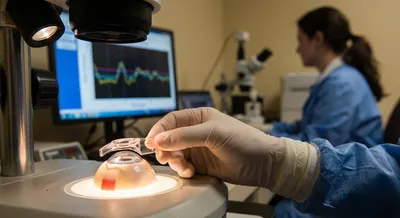
The NT-501 implant is a small capsule (about 1×6 mm) that a surgeon places inside the eye (in the gel-like vitreous near the retina) during a minor...
Deep research and expert guides on maintaining your visual health.
The NT-501 implant is a small capsule (about 1×6 mm) that a surgeon places inside the eye (in the gel-like vitreous near the retina) during a minor...
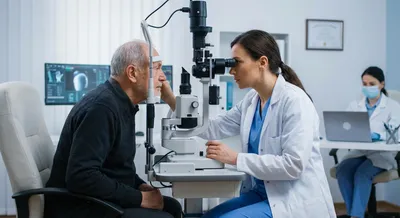
Another related condition, non-arteritic anterior ischemic optic neuropathy (NAION), causes sudden vision loss due to poor blood flow to the optic...
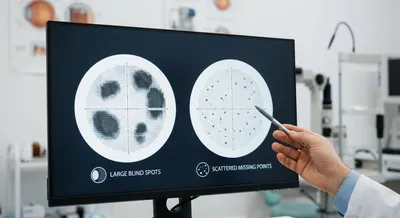
Diffuse or scattered defects (small-point losses) – Other patients show many isolated points of sensitivity loss scattered across the field, often...
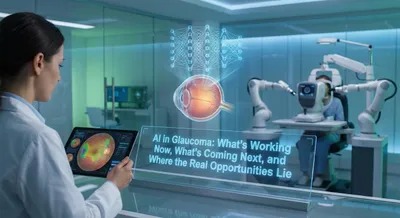
Commercial and research groups are already developing such systems. For instance, the Medios AI-Glaucoma system (Remidio, India/ Singapore)...
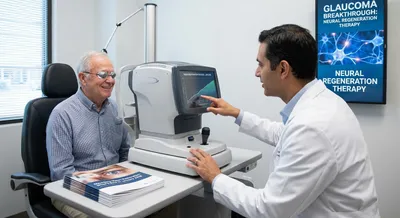
This article reviews the state of regenerative ophthalmology for glaucoma as of early 2026. We explain the new therapies under study, summarize any...
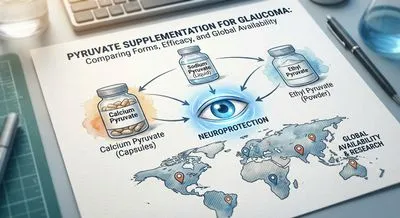
Pyruvate is a three-carbon compound our bodies make when sugars are broken down for energy (). Think of it as a key fuel molecule: it can enter cells...
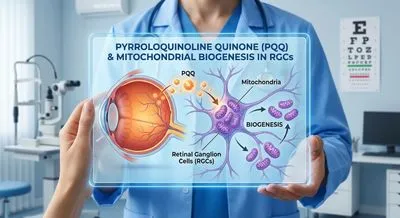
PQQ was first discovered as a cofactor for certain bacterial enzymes, but later found to be important in animal nutrition. Because animals cannot...
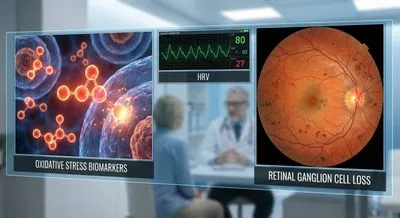
In this article, we explain what oxidative stress markers like F2-isoprostanes, malondialdehyde (MDA), and 8-hydroxy-2’-deoxyguanosine (8-OHdG) are,...
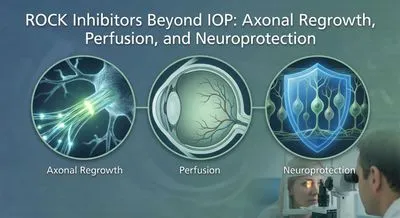
Likewise, general ROCK inhibition (with other agents like Y-27632) can encourage neurite extension when growth factors are present (). In an adult...
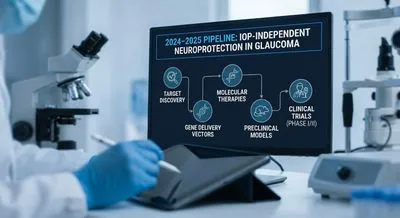
Gene therapies are also under study to deliver neurotrophic signals. One innovative approach engineered a permanently active version of the BDNF...
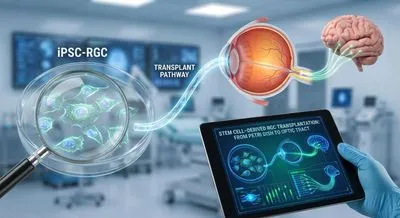
RGCs are not a uniform cell type. Dozens of RGC subtypes exist (e.g. motion-sensitive direction-selective cells, on/off center cells, intrinsically...
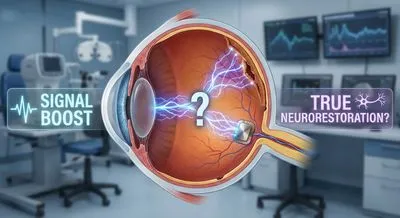
Experimental work suggests several ways brief currents can boost neural survival and plasticity. One class of effects is neurotrophic upregulation:...
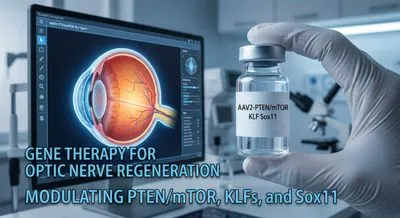
Under normal conditions, adult RGCs keep the mTOR pathway largely off, which limits their ability to grow new axons (). PTEN is a gene that inhibits...
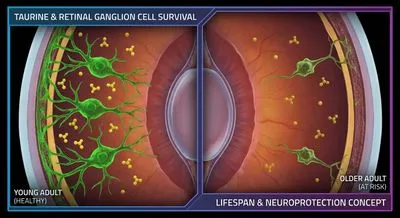
Taurine plays key cellular roles beyond being a nutrient. In the retina it acts as an organic osmolyte, helping cells adjust their volume under...
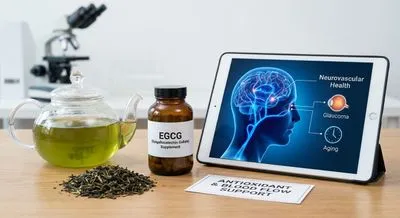
Preclinical studies consistently show EGCG helps RGC survival after injury or elevated IOP. In a mouse glaucoma model (microbead-induced high IOP),...
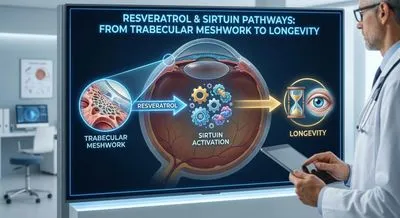
The TM tissue acts as the eye’s drainage filter and becomes less cellular and more dysfunctional in glaucoma. Chronic oxidative stress and...
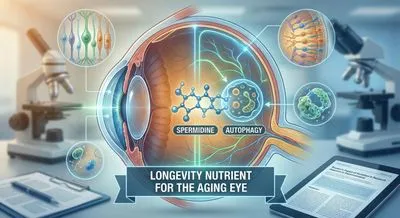
By inducing autophagy, spermidine helps cells clear damaged components and maintain mitochondrial health. For example, chronic spermidine feeding in...
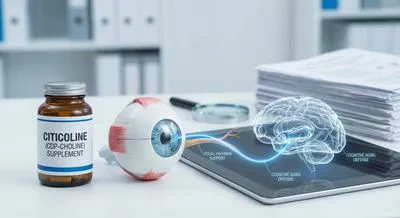
Citicoline (cytidine-5′-diphosphocholine) is metabolized into cytidine and choline in the body. Choline feeds into the synthesis of...
Blind spots often develop gradually without symptoms. Start a free trial and take a quick visual field test to spot changes early.
Find Out NowRetinal ganglion cells are specialized nerve cells in the eye that collect visual information from other retinal neurons and send it to the brain. They sit in the innermost layer of the retina and have long fibers called axons that bundle together to form the optic nerve. These cells translate patterns of light into electrical signals that the brain interprets as shapes, motion, color, and contrast. Because each cell connects to many different photoreceptors and interneurons, they help filter and refine the visual message before it leaves the eye. Healthy retinal ganglion cells are essential for sharp, reliable vision. These cells are especially important because they cannot easily be replaced if lost, so damage leads to lasting vision problems. Conditions such as glaucoma, optic nerve injury, and some inherited diseases cause these cells to die or lose function, creating blind spots or gradual vision loss. That vulnerability is why researchers focus on protecting them, improving blood supply, and finding ways to encourage repair or regrowth. Emerging approaches include drugs that reduce harmful signals, gene treatments that promote survival, and therapies aimed at regenerating their axons. Understanding retinal ganglion cells helps explain how vision is lost in many diseases and points to strategies to preserve or restore sight.