

Collagen Peptides and the Trabecular Meshwork: Mechanistic Links to Intraocular Pressure
In a healthy eye, the TM and SC work together like a plumbing system. The TM is a spongy, porous tissue lined by endothelial cells, and it sits just...
Deep research and expert guides on maintaining your visual health.
In a healthy eye, the TM and SC work together like a plumbing system. The TM is a spongy, porous tissue lined by endothelial cells, and it sits just...

Indeed, multiple studies have found senescence markers in RGCs and optic nerve tissue in glaucoma models. Notably, removing those old RGCs has been...

For angle-closure glaucoma, the genetics are more complex and less clear-cut. This form depends on eye shape (shallow front chamber) more than one...

The pivotal LiGHT trial (Lancet 2019) compared first-line SLT to eye drops in newly diagnosed glaucoma/ocular hypertension patients () (). Over 3...
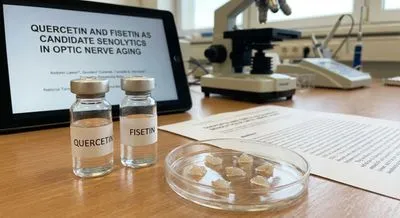
Senescent cells build up in key eye tissues. In the trabecular meshwork (TM), senescence stiffens the meshwork and increases resistance to fluid...

Preclinical studies consistently show EGCG helps RGC survival after injury or elevated IOP. In a mouse glaucoma model (microbead-induced high IOP),...
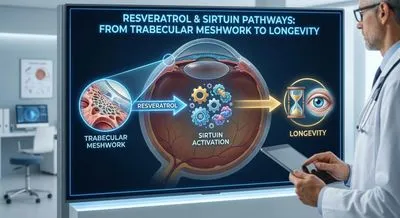
The TM tissue acts as the eye’s drainage filter and becomes less cellular and more dysfunctional in glaucoma. Chronic oxidative stress and...
Track peripheral vision changes between eye doctor visits. Start your free trial and get results in under 5 minutes.
The trabecular meshwork is a tiny, sponge-like structure located at the front of the eye that helps drain the clear fluid called aqueous humor. By allowing this fluid to flow out into a circular channel and ultimately into the bloodstream, it plays a central role in maintaining normal pressure inside the eye. When the meshwork becomes clogged, stiff, or less efficient because of age, genetics, inflammation, or other stresses, fluid can build up and intraocular pressure may rise. Elevated pressure is a major risk factor for glaucoma, a condition that can damage the optic nerve and cause vision loss. The meshwork’s health depends on living cells and a balanced extracellular framework, so researchers study how those components change with aging and disease. Many treatments for high eye pressure aim to improve outflow through the meshwork, relax its tissues, or bypass it with tiny surgical devices. Newer medicines and minimally invasive procedures try to lower pressure while preserving the meshwork’s structure and function. Understanding this structure matters because maintaining proper fluid drainage is one of the main ways to protect the optic nerve and safeguard long-term vision.