
Introduction
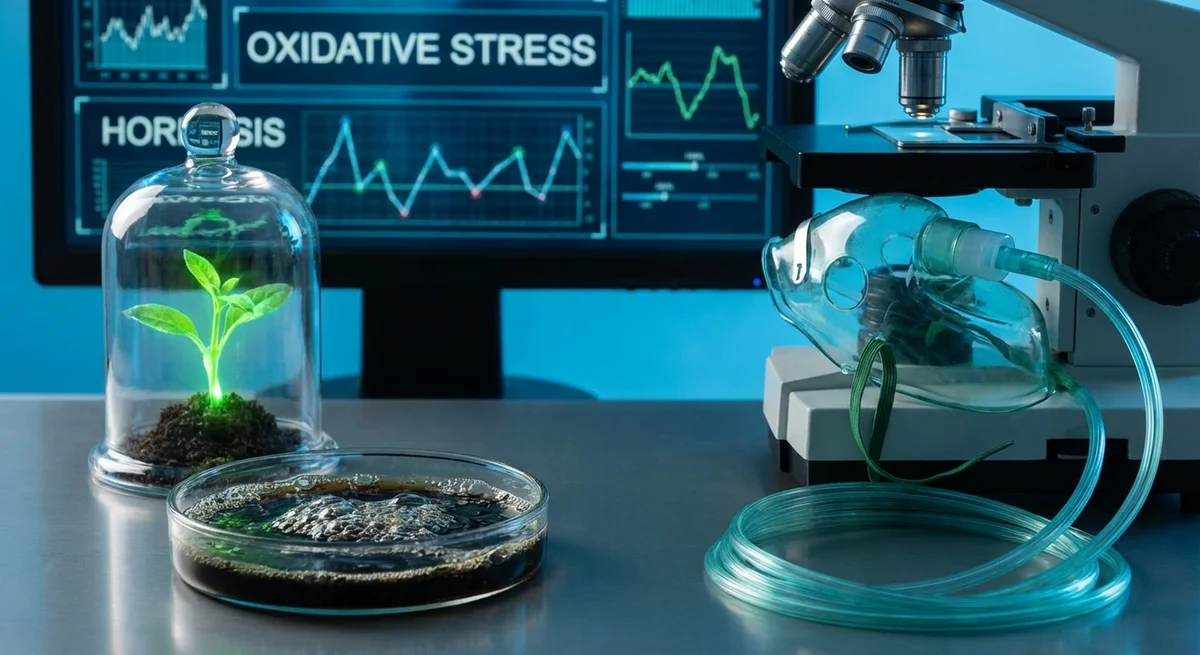
Glaucoma is an eye disease in which damage to the optic nerve leads to gradual vision loss. In glaucoma and other eye disorders, oxidative stress – the build-up of harmful reactive oxygen species (ROS) – has long been implicated in tissue injury (en.wikipedia.org). Oxygen itself, however, plays a dual role in health. Our eyes need oxygen as a vital fuel: the retina has one of the highest oxygen demands in the body, for example, and oxygen is used constantly in nerve-cell metabolism. This is why supplemental oxygen (even in a hyperbaric oxygen therapy (HBOT) setting) can aid healing in some conditions. But paradoxically, too much oxygen can generate excess ROS and cause tissue damage. Under hyperoxic conditions (high oxygen levels), the body produces superoxide, hydrogen peroxide, and other radicals that trigger inflammation and cell injury (en.wikipedia.org). In short, oxygen is life-giving at moderate levels but can be toxic at high doses (en.wikipedia.org) (en.wikipedia.org). This “hyperoxia paradox” – oxygen as both medicine and poison – is central to understanding oxidative stress in glaucoma.
Oxygen: Medicine and Menace in the Eye
Oxygen is indispensable for normal eye function. Retinal cells (especially in the macula and photoreceptor layer) use oxygen to convert nutrients into energy. A steady oxygen supply from the choroid and retinal blood vessels keeps these neurons and support cells alive. In addition, oxygen delivered by blood to the trabecular meshwork (the filtering tissue that helps drain intraocular fluid) and the accommodating lens supports their metabolism. Clinically, supplemental oxygen is sometimes used to improve healing. For example, hyperbaric oxygen therapy (HBOT) – breathing 100% oxygen under pressure – is used for chronic wounds and radiation injury, and it can increase oxygen delivery to eye tissues.
However, as medical sources warn, too much oxygen can be harmful (en.wikipedia.org). Hyperoxia disturbs the body’s normal balance and produces a burst of ROS (en.wikipedia.org). “Reactive oxygen species are known problematic by-products of hyperoxia,” notes the medical literature, which explains that excess ROS lead to a cycle of tissue injury, inflammation, and cell death (en.wikipedia.org). In other words, what helps at low doses can hurt at high doses. Free radicals generated by hyperoxia will indiscriminately chemically modify nearby molecules (membranes, DNA, proteins), potentially crippling those cells. For instance, oxygen therapy that is prolonged or at very high pressure can cause oxygen toxicity, affecting sensitive organs. In the eye, this means that while a brief high-oxygen treatment might boost healing or blood flow, it could also spark damaging oxidative stress.
Hormesis: Beneficial Stress?
The concept of hormesis helps explain how a mild oxidative stress can sometimes be beneficial. Hormesis is a well-known two-phase response in biology: a low or moderate rise in a stressor tends to activate adaptive defenses, whereas very high levels overwhelm those defenses and become toxic (en.wikipedia.org). Oxygen itself is a classic hormetic example: just above-normal oxygen helps cells function, but extreme hyperoxia injures them (en.wikipedia.org). Some experts have even suggested that modest, intermittent bursts of oxygen could precondition tissues and strengthen antioxidant mechanisms. As one science news article explains, controlled levels of free radicals “increase response capacity” so the body is better prepared against damage (www.livescience.com). In other words, brief oxidative “shocks” might upregulate stress defenses in the trabecular meshwork or retina, making those cells tougher over time (a concept sometimes called hyperoxic preconditioning).
In theory, brief exposure to high oxygen (like short HBOT sessions) could activate protective pathways inside eye cells. One key pathway involves the protein NRF2 (nuclear factor erythroid–derived 2-like 2). NRF2 is a master switch for antioxidant defenses: when activated, NRF2 moves into the nucleus and turns on genes for detoxifying and antioxidant enzymes (en.wikipedia.org). For example, NRF2 strongly induces heme oxygenase-1 (HO-1) and other “phase II” enzymes that neutralize ROS (en.wikipedia.org). By boosting these defenses, cells can survive future oxidative challenges.
Supporting this idea, recent research in other tissues has found that intermittent high-dose oxygen can indeed trigger NRF2 and lower oxidative damage. In a new animal study of so-called FLASH radiotherapy, scientists showed that a high-dose burst of oxygen activated NRF2-dependent antioxidant pathways and reduced free radical damage (arxiv.org). In that study, treated tissues had lower levels of malondialdehyde (a marker of lipid peroxidation) and fewer dying cells, because NRF2 and related defenses were turned on (arxiv.org). While not in glaucoma specifically, this result suggests a general principle: mild oxidative stress can prime the Nrf2 system and reduce harm. It is conceivable that a similar hormetic effect could occur in glaucoma – for instance, a controlled hyperoxic treatment might ramp up antioxidants in retinal ganglion cells and the trabecular meshwork, potentially protecting them from disease.
Risks: Oxidative Damage in Eye Tissues
On the other hand, the risks of hyperoxia to glaucoma-relevant tissues are real. Any increase in ROS from excess oxygen could worsen damage in the trabecular meshwork, lens, or retina. In the trabecular meshwork, for example, chronic oxidative stress is already linked to glaucoma. If high oxygen levels further boost ROS there, TM cells or their extracellular matrix might be injured or killed, reducing fluid outflow and raising eye pressure. Indeed, studies of glaucomatous eyes often find signs of oxidative injury in the meshwork. Similarly, the lens of the eye is highly sensitive to oxidation. Lens proteins must remain clear and are usually shielded by antioxidant systems, but excess ROS can clump proteins and form cataracts. In hyperbaric oxygen contexts (such as diving medicine), it’s known that prolonged oxygen exposure can accelerate nuclear cataract formation by oxidizing lens fibers. Thus, in glaucoma patients, hyperoxia could risk inducing or speeding lens opacities if not carefully controlled.
The retina – especially the inner retinal ganglion cells affected in glaucoma – is also vulnerable. Photoreceptors and ganglion cells consume lots of oxygen, but too much oxygen (or light plus oxygen) can generate damaging radicals in the retina. Even in newborns, supplemental oxygen can cause retinopathy of prematurity by oxidative injury; in adults, high oxygen can still stress retinal neurons. Hyperoxia may disturb retinal blood flow regulation and provoke inflammation. In sum, any potential hormetic benefit of extra oxygen must be weighed against the danger that ROS will exceed the eye tissues’ antioxidant capacity. As one review notes, once the homeostatic balance is disturbed by hyperoxia, ROS “tend to cause a cycle of tissue injury, with inflammation, cell damage, and cell death” (en.wikipedia.org). In glaucoma care, this means that a hyperoxic intervention might inadvertently worsen oxidative damage in the very structures (TM, lens, retina) we want to protect.
Measuring Redox Effects: Biomarkers and Assays
To carefully study oxidative or hormetic effects of hyperoxia in glaucoma, doctors and researchers use various redox biomarkers. These include direct markers of damage and measures of antioxidant activity. For example:
- Lipid peroxidation products: Compounds like malondialdehyde (MDA) or 4-hydroxynonenal can be measured in blood or ocular fluids (by thin-layer chromatography or ELISA) to gauge ROS damage to cell membranes. As one study showed, a protective treatment reduced ROS and malondialdehyde levels in tissue (arxiv.org), so monitoring MDA could track oxidative damage during HBOT.
- DNA oxidation markers: The modified base 8-hydroxy-2′-deoxyguanosine (8-OHdG) is elevated when oxidative stress damages DNA. It can be measured in urine or serum as a general indicator of oxidative stress. High 8-OHdG levels in glaucoma patients’ fluids have been reported, and a rise during intensive oxygen could signal harm.
- Protein oxidation markers: Protein carbonyl content or advanced oxidation protein products (AOPP) reflect ROS damage to proteins. These can be assayed in serum and would rise if alcohol oxygen stress injures ocular proteins.
- Antioxidant enzyme levels: The activities of enzymes like superoxide dismutase (SOD), catalase, and glutathione peroxidase serve as functional biomarkers. For instance, measuring SOD and catalase activity in blood or aqueous humor during HBOT could show whether the body’s defenses are upregulated. An increase would suggest a hormetic response, whereas a drop might indicate overwhelmed antioxidants.
- Glutathione ratio: The ratio of reduced glutathione (GSH) to oxidized glutathione (GSSG) is a classic redox indicator. A falling GSH/GSSG ratio reveals oxidative stress. It can be measured in tissues or circulating cells and would be expected to change with hyperoxia.
- NRF2 and HO-1 expression: On the genetic/current side, one can measure NRF2 activation itself. By drawing ocular cells or using an animal model, researchers can use PCR or immunoassays to monitor NRF2 protein levels or nuclear translocation, and downstream targets such as HO-1. For example, Western blot or ELISA for HO-1 or gene assays for NRF2 target genes would indicate that the antioxidant response is kicking in (en.wikipedia.org).
- Oxidized metabolic products: Total antioxidant capacity assays (like the ferric reducing ability of plasma) and levels of vitamins C/E can also be tracked. A drop in these antioxidants during HBOT may suggest consumption by ROS.
- Inflammation markers: Because oxidative stress often induces inflammation, clinicians might also measure cytokines (e.g. IL-6, TNF-α) in the eye or blood. A spike during oxygen treatments could hint that harmful processes are underway.
In practice, a panel of these tests could be used. For example, before and after an HBOT session, doctors might draw blood or aqueous samples and measure MDA, 8-OHdG, and GSH/GSSG, while also checking SOD and catalase activity. Simultaneously, they could check expression of NRF2-driven enzymes like HO-1 (en.wikipedia.org) by PCR or ELISA. Changes in these biomarkers would quantify the redox impact of the therapy. A safe hormetic protocol might show only mild rises in ROS markers with concurrent boosts in antioxidant enzyme levels. In contrast, a protocol that exacerbates oxidative stress would cause large jumps in damage markers and depletion of antioxidants.
Conclusion
Oxygen’s role in glaucoma is complex. On one hand, delivering extra oxygen (e.g. via HBOT) could, in theory, stimulate a hormetic boost in Nrf2-linked antioxidant defenses, potentially helping protect retinal nerves and the trabecular meshwork (arxiv.org) (en.wikipedia.org). On the other hand, excess oxygen can overwhelm defenses and directly damage the lens, retina, and outflow pathways with ROS (en.wikipedia.org). Whether intermittent hyperoxia is ultimately beneficial or harmful in glaucoma depends on the balance between these effects. Careful testing is needed: studies should monitor oxidative stress markers (malondialdehyde, 8-OHdG, enzyme levels, etc.) and antioxidant gene activation (NRF2, HO-1) during treatment. With rigorous biomarker assays in place, researchers may determine if a “sweet spot” of oxygen dosing exists – enough to trigger adaptive responses without tipping into toxicity.