
Omega 3
आपके दृष्टि स्वास्थ्य को बनाए रखने के लिए गहन शोध और विशेषज्ञ मार्गदर्शिकाएँ।
अपनी दृष्टि की जांच करने के लिए तैयार हैं?
5 मिनट से कम समय में अपना मुफ्त विज़ुअल फ़ील्ड टेस्ट शुरू करें।
अभी टेस्ट शुरू करेंOmega-3
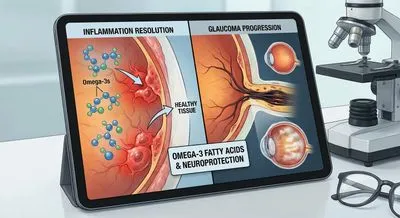
Omega-3 refers to a group of essential fatty acids, mainly EPA and DHA, that the body cannot make and must obtain from diet or supplements. These fats are building blocks for cell membranes, particularly in the brain and retina, and influence how cells communicate and respond to stress. Omega-3s help resolve inflammation by being converted into signaling molecules called resolvins and protectins, which actively turn off inflammatory responses and promote healing. Because chronic inflammation can damage nerve cells, getting enough omega-3 supports long-term nervous system health and may slow processes that lead to vision loss. Common food sources include fatty fish like salmon, flaxseed, walnuts, and fortified foods, while supplements provide concentrated forms. Omega-3s are generally safe when taken at recommended doses, but very high amounts can affect blood clotting or interact with some medications. They are not a cure by themselves, but they can be a helpful part of an overall strategy that includes medical treatment and lifestyle changes. Balancing omega-3 intake with other healthy fats, and discussing use with a clinician, helps ensure the best benefits for eye and brain health.