
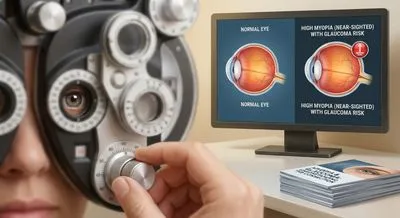
Myopia and Glaucoma: When Nearsightedness Raises the Stakes
Diagnosing glaucoma in myopic eyes is tricky. Moderate-to-high myopia changes the eye’s shape and anatomy, making standard glaucoma tests harder to...
Deep research and expert guides on maintaining your visual health.
Diagnosing glaucoma in myopic eyes is tricky. Moderate-to-high myopia changes the eye’s shape and anatomy, making standard glaucoma tests harder to...
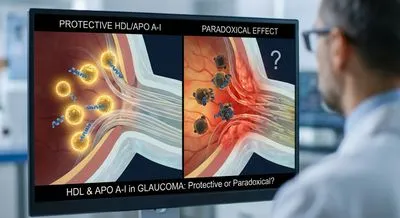
In general health, HDL carries cholesterol from tissues back to the liver and has anti-inflammatory and antioxidant actions. For example, HDL...
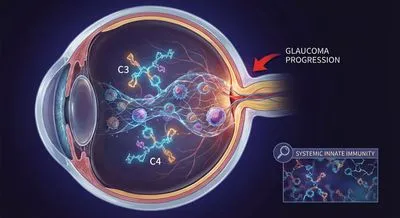
The complement system is part of innate immunity – the body’s rapid, non-specific defense against infections or damage. Complement consists of a...
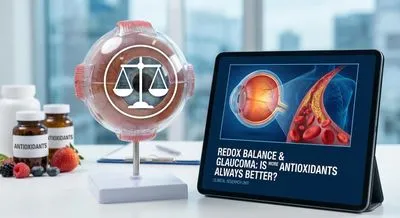
The eye is particularly sensitive because it has high oxygen use and is exposed to light. Normally, your eye fluids and tissues contain antioxidants...
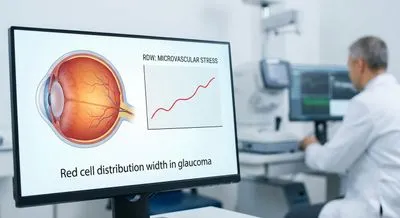
RDW is one number in a CBC blood test, which most people can get through their doctor or even direct-to-consumer lab services. The CBC reports your...
Many experts agree that chronic glaucoma is not just about pressure – cell damage from oxidative stress plays a major role. For example, a 2016 PLOS...
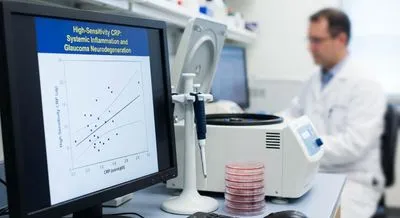
For example, activated microglia are known to release TNF-α and IL-1β which can trigger retinal ganglion cell death. Studies in animal models and...
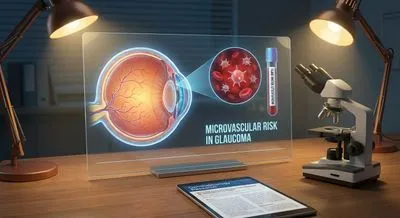
Platelets are small, disk-shaped cells in your blood that stop bleeding by clumping together to form clots. When your blood vessels or endothelium...
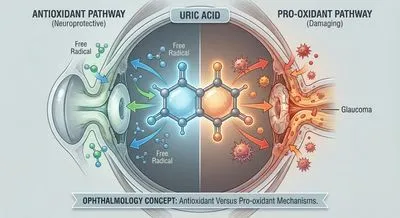
Studies of serum UA in glaucoma patients have yielded mixed results. A 2023 systematic review and meta-analysis (1,221 glaucoma patients vs. 1,342...
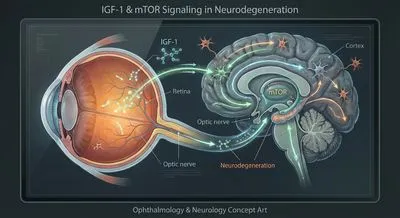
IGF-1 is a small protein hormone closely related to insulin. It is made in the liver (and in some tissues) under the influence of growth hormone. In...
Screen your peripheral vision from home — no downloads, no waiting rooms. Sign up for a free trial and test in under 5 minutes.
Glaucoma is a group of eye conditions that damage the optic nerve, which carries visual information from the eye to the brain. The damage is often linked to higher pressure inside the eye, but it can also happen when pressure is normal. At first, vision loss is usually gradual and affects side vision, so many people do not notice it until the condition is advanced. Left untreated, glaucoma can cause permanent blindness because nerve cells in the retina and their connections are lost. Doctors diagnose glaucoma with eye pressure checks, optic nerve exams, and tests that measure peripheral vision. Treatments focus on slowing or stopping nerve damage, most commonly by lowering eye pressure with drops, lasers, or surgery. Because nerve damage is usually irreversible, early detection and regular eye exams are very important. Researchers are also exploring treatments that protect nerve cells directly and improve blood flow to the optic nerve. Lifestyle steps such as controlling blood pressure and avoiding smoking may help lower risk, but medical follow-up is essential. Understanding glaucoma matters because it is a leading cause of preventable blindness worldwide and can often be managed when found early.