

A New Clue in Glaucoma: Leaky Blood Vessels May Damage Vision
One new idea is that damage to small retinal blood vessels might contribute to glaucoma. Normally, the tiny blood vessels in the retina have tight...
Deep research and expert guides on maintaining your visual health.
One new idea is that damage to small retinal blood vessels might contribute to glaucoma. Normally, the tiny blood vessels in the retina have tight...
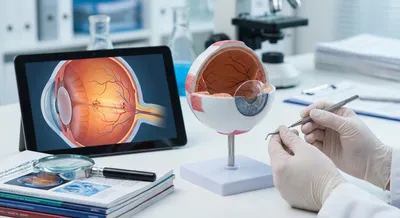
Even in cases like age-related macular degeneration or diabetic retinopathy, the optic nerve often stays healthy, so restoring vision means fixing or...
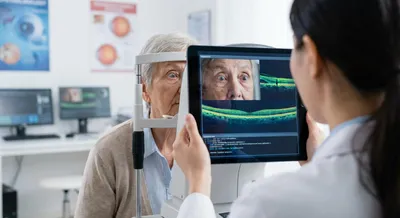
Recent work (for example, Andrej Karpathy’s “autoresearch” project () ()) suggests that AI agents can autonomously run hundreds of small experiments...
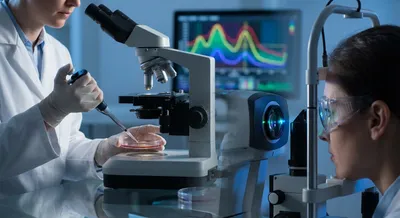
KIO-301 is one such experimental drug. It is described as a “molecular photoswitch” (). In healthy vision, photoreceptors (rods and cones) detect...
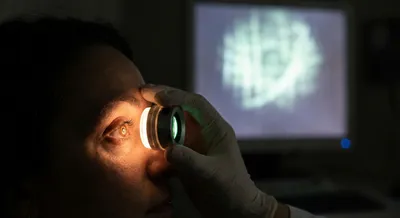
Because the therapy makes cells respond to ambient light (rather than electrical implants or goggles), patients don’t need to wear any special device...

Researchers are exploring new ways to one day fix this problem by replacing or protecting those lost nerve cells. One exciting idea is to transplant...
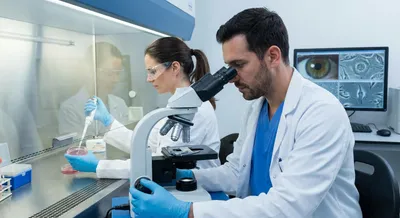
Scientists have long dreamed of replacing lost RGCs by transplanting new cells into the retina. If new ganglion cells could be made to survive and...
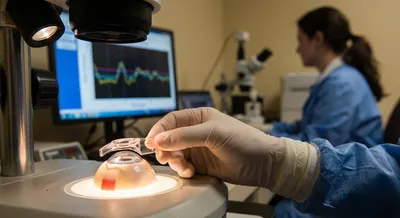
The NT-501 implant is a small capsule (about 1×6 mm) that a surgeon places inside the eye (in the gel-like vitreous near the retina) during a minor...
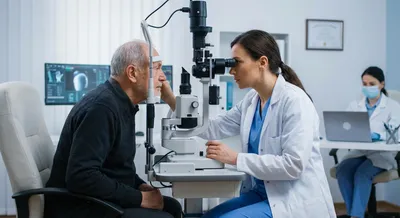
Another related condition, non-arteritic anterior ischemic optic neuropathy (NAION), causes sudden vision loss due to poor blood flow to the optic...
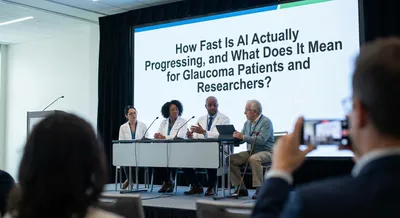
Researchers measure AI progress by performance on challenging tasks (benchmarks) and by tracking improvements in model design, data, and compute. In...
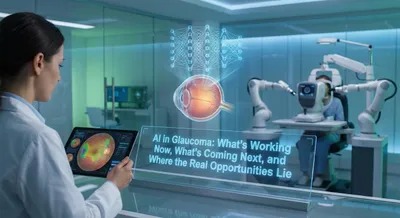
Commercial and research groups are already developing such systems. For instance, the Medios AI-Glaucoma system (Remidio, India/ Singapore)...
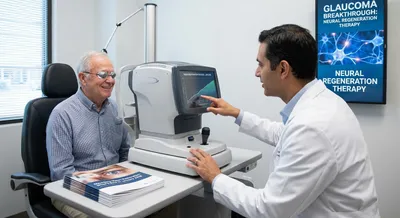
This article reviews the state of regenerative ophthalmology for glaucoma as of early 2026. We explain the new therapies under study, summarize any...
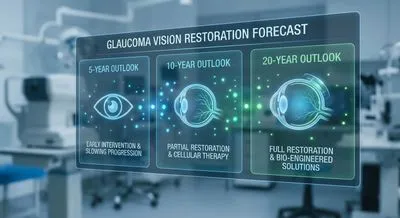
In the next few years, the emphasis will be on neuroprotection/neuroenhancement – therapies that aim to preserve or slightly improve the function of...
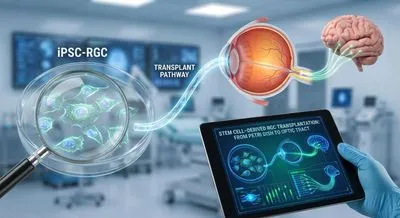
RGCs are not a uniform cell type. Dozens of RGC subtypes exist (e.g. motion-sensitive direction-selective cells, on/off center cells, intrinsically...
Visual field loss from conditions like glaucoma can go unnoticed. Start a free trial and screen for potential blind spots in minutes.
Vision restoration refers to medical and technological efforts to help people regain sight after it has been lost or seriously reduced. It can mean repairing damaged parts of the eye, restoring function in the optic nerve or brain pathways that process visual information, or using devices and therapies that compensate for lost vision. Methods range from medications that protect remaining cells, to surgeries that fix structural problems, to advanced approaches that replace or bypass damaged tissue. Rehabilitation and training are often part of the process, because the brain needs to relearn how to interpret visual signals. Progress can be gradual, and the amount of improvement depends on the cause and extent of the damage. New research aims to restore meaningful vision rather than perfect sight, focusing on helping people identify shapes, read large letters, or navigate safely. It matters because vision is central to independence, mobility, and social connection for many people. Even partial improvements can dramatically enhance quality of life, reducing accidents and enabling daily tasks that were once difficult. Understanding the realistic goals and limits of different approaches helps people make informed decisions about care and treatment options.