

Running and Jogging with Glaucoma: Balancing Cardiovascular Gains and IOP Fluctuations
After you stop running, your blood pressure usually remains elevated for a minutes (especially if the pace was high) and then falls back. Immediately...
Deep research and expert guides on maintaining your visual health.
After you stop running, your blood pressure usually remains elevated for a minutes (especially if the pace was high) and then falls back. Immediately...

In addition, regular exercise helps the body’s autonomic nervous system (which controls things like heart rate and blood vessel tone) to stay in...

Importantly, snorkeling is mostly done at the surface where the water pressure is nearly the same as on land, so you avoid the pressure changes of...
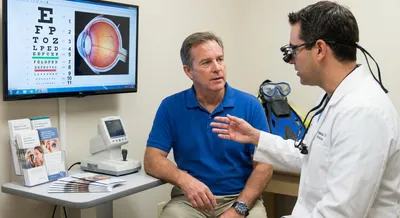
In practice, experienced divers avoid mask squeeze entirely and typically equalize early in each descent. It’s also recommended to use a low-volume...
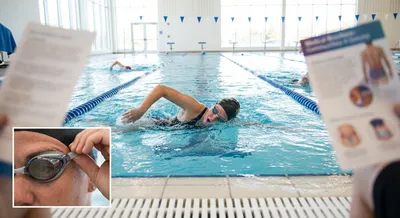
However, swimming has some unique eye-related factors. Tight-fitting goggles, the face-down posture of freestyle, and chlorinated pool water can...
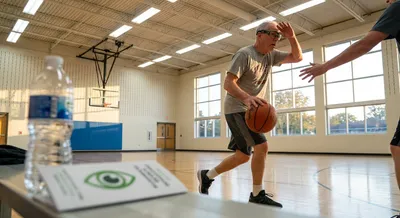
Basketball also provides important social and emotional benefits. Social sports help reduce stress, build confidence, and combat isolation. A...
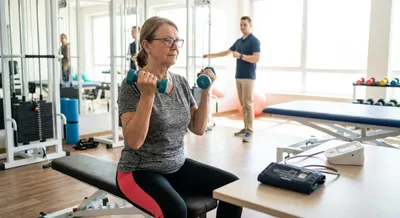
Heavy vs. Moderate Loads: Multiple studies find that heavier weights cause bigger IOP spikes. For example, one review noted that lifting heavy loads...
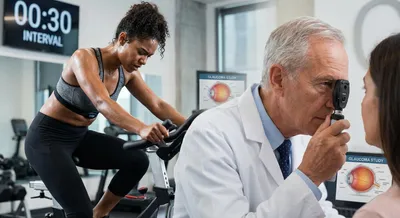
HIIT involves repeated short bursts of intense exercise (often 80–100% of maximum effort) alternated with brief rest or low-intensity periods ()....
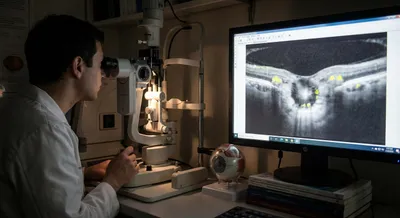
For example, imagine a treatment that boosts the survival of optic nerve fibers or blocks harmful chemical processes in the nerve. If such a...

Intraocular pressure (often simply called eye pressure) is the force created by fluid inside your eye () (). Your eyes constantly make a clear fluid...

There is no single answer to “how fast does glaucoma progress?” – rates vary enormously. Major studies show untreated glaucoma often worsens...
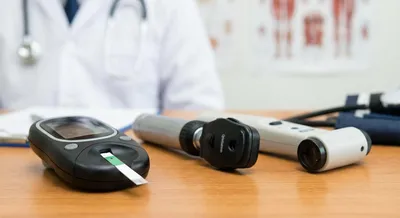
Specifically, large epidemiologic studies and meta-analyses have found that people with diabetes carry roughly a 36–50% higher risk of developing...
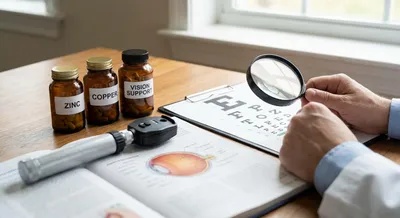
It’s worth noting that many people regularly exceed safe zinc intakes. The National Institutes of Health advise that healthy adults only need about...

That said, some forms of glaucoma do cause head pain. Below we contrast the painless “slow” glaucoma with the painful “fast” glaucomas and other...
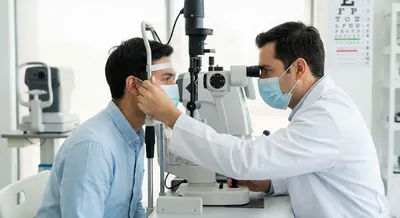
Regular comprehensive eye exams are critical because glaucoma damage is often silent until it is advanced. By getting an exam early (a “baseline”...
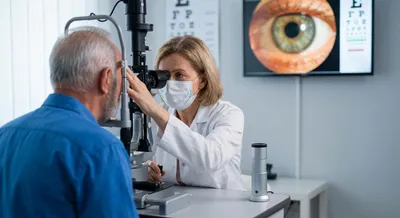
For angle-closure glaucoma, the genetics are more complex and less clear-cut. This form depends on eye shape (shallow front chamber) more than one...
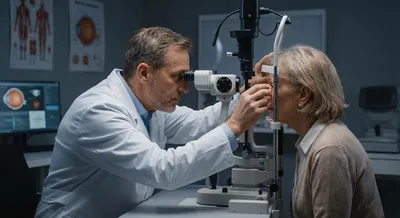
Early detection is crucial. By the time a typical visual field test catches glaucoma, roughly half of the retinal nerve cells (retinal ganglion...

This article reviews all human studies on magnesium in glaucoma. Specifically, we look at trials and reports of magnesium levels or supplementation...
Intraocular pressure is the force exerted by the fluids inside the eye that keeps the eye firm and helps it maintain its shape. The eye constantly produces a clear fluid that nourishes tissues and then drains it away; intraocular pressure reflects the balance between production and drainage. Normal pressure varies between people but is usually within a range that is safe for the delicate tissues inside the eye. When fluid builds up because drainage is blocked or production is too high, pressure rises and can press on sensitive structures like the optic nerve. If pressure stays too high, it can damage nerve fibers and cause gradual vision loss without noticeable early symptoms. Measuring intraocular pressure is a routine part of eye exams and helps identify people at risk of certain eye conditions before vision is lost. Pressure can change over the course of a day and may be affected by body position, medications, and other health conditions. Treatments to manage elevated pressure include eye drops, laser procedures, and surgery that either reduce fluid production or improve drainage. Monitoring and controlling pressure is important because early detection and treatment can preserve vision and prevent irreversible damage.