
Introduction
Cycling is a healthy, aerobic activity that can help the whole body – including the eyes – when done right. For people with glaucoma (a condition that damages the optic nerve over time), regular moderate exercise like cycling may lower eye pressure and improve blood flow to the optic nerve. However, road cycling also brings some eye-specific challenges: bending forward on a bike can raise eye pressure, and wind, sun and crashes can hurt the eyes. In this article, we review the science on how cycling affects eye health in glaucoma, and give practical tips on bike fit, gear and routines to stay safe.
Cycling, IOP (Eye Pressure), Ocular Blood Flow, and Autonomic Balance
Regular aerobic exercise has been shown to lower intraocular pressure (IOP) – the fluid pressure inside the eye – which is the main risk factor that patients can change in glaucoma. For example, a 2022 clinical trial in open-angle glaucoma patients found that after a session of cycling and walking, IOP dropped noticeably and the ocular perfusion pressure (an indicator of blood flow into the eye) increased (pmc.ncbi.nlm.nih.gov). Likewise, a review of exercise in healthy people noted that moderate cycling (15–20 minutes) causes a small but significant IOP decrease (pmc.ncbi.nlm.nih.gov). In plain terms, getting your heart rate up tends to let some eye fluid drain out more easily, easing pressure inside the eye. In the 2022 trial, the researchers reported that “aerobic exercise is beneficial for patients with primary open-angle glaucoma” because of these IOP and blood flow changes (pmc.ncbi.nlm.nih.gov).
Exercise also boosts blood flow throughout the body – including the eyes. Improved circulation means more oxygen and nutrients to the optic nerve and retina (the light-sensing tissue): one article notes that aerobic exercise “significantly lower[s] [IOP] and improve[s] blood circulation throughout the body, including the eyes” (glaucoma.org). In eye-specific terms, lowering IOP while keeping blood pressure steady raises the driving pressure that pushes blood into the optic nerve (this is ocular perfusion pressure). So after cycling, more blood can reach the optic nerve, which is generally good for eye health.
In addition, regular exercise helps the body’s autonomic nervous system (which controls things like heart rate and blood vessel tone) to stay in balance. In a rodent model of glaucoma risk, researchers found that ten weeks of treadmill exercise prevented a diet-induced rise in IOP and also prevented excessive sympathetic (stress) nerve activity (pmc.ncbi.nlm.nih.gov). In other words, exercise training made the animals’ autonomic responses more normal and kept their eye pressure from rising. By analogy, routine aerobic exercise in people helps keep the “fight-or-flight” stress response in check, which may further stabilize eye pressure and blood flow.
Key point: Moderate cycling workouts tend to lower IOP and increase ocular blood flow. Regular aerobic conditioning (cycling, walking, swimming, etc.) has been shown to slow the progression of glaucoma. For instance, one study cited by the Glaucoma Research Foundation found that people who do moderate-to-vigorous aerobic exercise at least three times a week had about a 10% slower rate of vision loss than those who did little exercise (glaucoma.org). In short, keeping fit with cycling can be a protective factor against glaucoma progression (glaucoma.org) (pmc.ncbi.nlm.nih.gov).
Cycling Benefits vs. Posture and Environmental Risks
Aerobic Conditioning Benefits
Sustained aerobic exercise (doing it over months or years) has general health gains that also help the eyes. Cycling improves cardiovascular fitness and blood vessel health, which supports stable blood pressure and better microcirculation – everything that keeps the optic nerve healthy. Good fitness also means less inflammation and better metabolic control, both linked to healthier eyes. The improved overall health and stamina also reduce other risks (like diabetes and hypertension) that often go with glaucoma. In sum, regular cycling is good for the eyes in the long run, as long as it’s done safely.
Risks of Prolonged Head-Down Posture
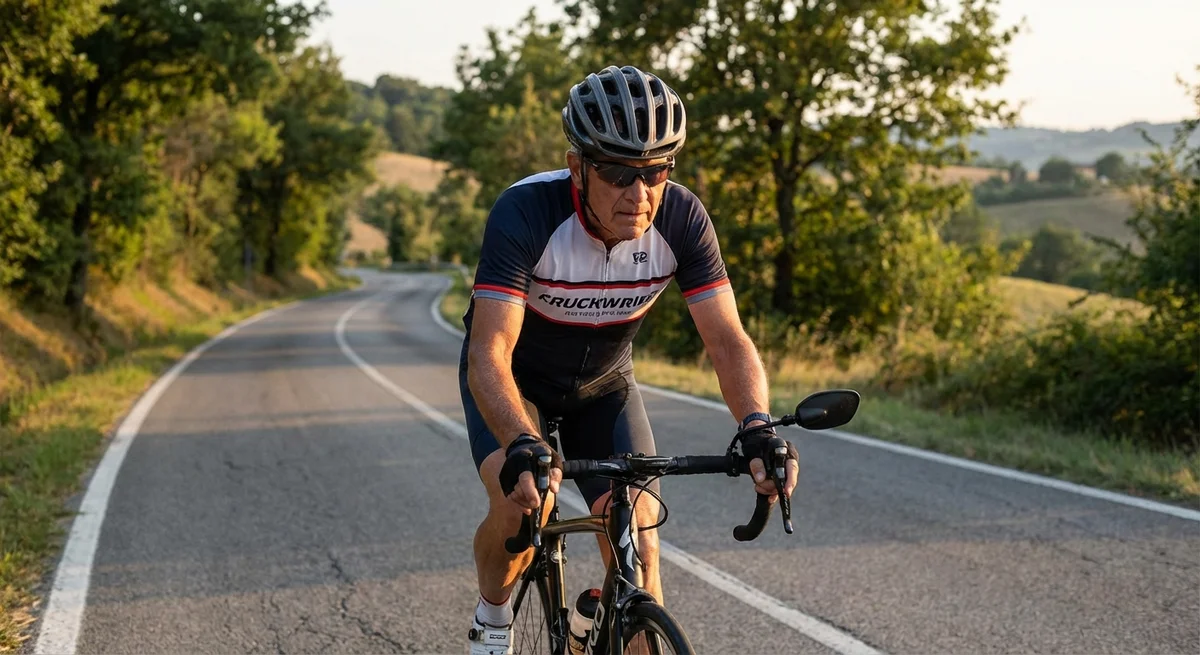
One concern for road cyclists is the “forward-leaning” posture on a racing or drop-bar bike. Tilting the head and body downward (even mildly) can raise eye pressure. Decades of research show that any head-down tilt (even just a few degrees) causes fluid to shift and IOP to climb (pmc.ncbi.nlm.nih.gov). For example, one study noted that “even a temporary head-down posture with small angle of tilt may induce [a] loss of neurophysiological function in normal subjects at both the retinal and cortical level,” meaning that short head-down positions measurably stress the eyes (pmc.ncbi.nlm.nih.gov). In practical terms, constantly looking ahead while hunched over the handlebars can elevate IOP over place-and-time, especially on long rides.
To mitigate this, cyclists should adjust bike fit and posture so the head is not excessively lowered. Raising the handlebars, using a shorter stem, or tilting the bars upward can reduce how far forward you lean. Some riders opt for a more upright bike frame (touring or city bikes) instead of an aggressive road race frame. Taking occasional breaks to sit upright and extend the neck during a ride can also help reset pressure. In any case, it’s wise to be aware of posture: the deeper your tuck, the more IOP may spike, so keep it moderate when concerned about eye health (pmc.ncbi.nlm.nih.gov).
Environmental Exposures (Wind, Debris, UV)
Cycling outdoors also exposes the eyes to wind, dust, insects and bright sunlight. Wind blowing in your face can dry out the eyes and wash away the tear film, causing irritation and sometimes surface damage. Dry, irritated eyes can be uncomfortable and may worsen any pre-existing dryness from glaucoma medications. To protect against wind and debris, always wear snug-fitting protective eyewear (sunglasses or clear glasses) while riding. Wraparound lenses shield from side wind and small particles. Safety glasses made of impact-resistant polycarbonate are especially good if there’s any chance of a crash or flying debris.
Sunlight and UV light are also concerns. High-speed riding in the sun can expose the eyes to a lot of UV, which over time can promote cataracts and growths on the eye surface (glaucoma.uk). People with glaucoma often have light sensitivity, too. Ophthalmology experts recommend large, dark sunglasses whenever cycling in daylight (glaucoma.uk). Lenses that block 99–100% of UV (often labeled “UV400”) are best. Polarized lenses can reduce glare from road surfaces. If choosing lenses, remember that shape and fit matter more than tint: even lightly tinted lenses can block UV, and oversized frames protect more skin around the eyes (glaucoma.uk). In short, good cycling shades prevent both wind irritation and UV damage, keeping the eyes safer on long rides.
Accident and Trauma Risks
Another major risk for any cyclist is the chance of a fall or collision. Road cycling has inherent dangers: a crash that impacts the face can directly injure the eyes. There are reported cases of bicycle accidents causing severe eye trauma. For instance, one young rider fell and a brake handle penetrated her orbit, forcing her eye out of its socket (pmc.ncbi.nlm.nih.gov). (That case resulted in permanent vision loss after the eye was finally replaced in the socket (pmc.ncbi.nlm.nih.gov).) While such extreme cases are rare, any collision or fall can cause orbital fractures, bleeding, or globe (eyeball) injury.
Cyclists with glaucoma should be especially cautious. Beyond the immediate risk of losing vision in an eye due to trauma, any impact could injure a filtering bleb (if you had glaucoma surgery) or otherwise change fluid dynamics in the eye. Therefore, it is critical to always wear a good helmet and protective eyewear. Shatter-resistant cycling glasses protect the eyes from branches, stones, or handles in a fall. They should be worn on every ride without exception. In addition, avoid hazardous routes when possible: choose bike lanes and well-paved roads, ride clear of traffic, and stay focused on conditions. In summary, the risk of eye injury from crashes can be dramatically reduced with helmets and eyewear (pmc.ncbi.nlm.nih.gov) (www.ceenta.com).
Cycling Gear and Safety Strategies
Bike Fit and Ergonomics
Proper bike fit is key for both comfort and eye safety. As noted, keep a posture that does not bend your head too far down. A good bike shop can adjust your seat height, handlebar reach and tilt so that you’re more upright. Using a higher seat and higher handlebars can relieve neck flexion. Some riders use a short stem or a stem that angles upward to raise the grips. If neck tension or headache occurs after rides, address it via fit. For many glaucoma patients with neck/back concerns, a hybrid or touring bike (with a more upright frame) is a safer alternative to a race bike. By riding more upright, you reduce the constant downward tilt on your eyes and thus limit any posture-induced pressure spikes (pmc.ncbi.nlm.nih.gov).
Also consider a recumbent bike or spin bike at home. These keep the head level and can provide the aerobic benefit without the head-down risk. In all cases, avoiding extreme neck flexion or holding a fixed head-down angle for long periods helps keep eye pressure stable.
Protective Eyewear
As mentioned, eyewear is non-negotiable for cycling. Use glasses with polycarbonate or Trivex lenses (these materials don’t shatter). Cycling sunglasses should wrap around the eyes and block wind, debris, and UV. Choose lenses that block 100% of UVA/UVB light (glaucoma.uk). Even on cloudy days, UV can be high at speed; so keep them on. For low-light or night rides, clear or lightly tinted safety glasses protect against wind and insects. Additionally, if you do go into eye clinics in summer or outdoors frequently, polarized or photochromic lenses can reduce glare. Properly fitted glasses also keep your eyes moist by reducing evaporation.
Hydration and Overall Health
Keeping well-hydrated is important for all cyclists, including those with glaucoma. Dehydration can lower blood volume and raise blood viscosity, which may negatively affect both blood flow and pressure regulation. In extreme cases, dehydration can cause a mild rise in IOP as the body conserves fluid (pmc.ncbi.nlm.nih.gov). In practice, sip water throughout your ride. Carry a water bottle and drink before you feel thirsty. Proper hydration will support healthy blood pressure and may help maintain a stable ocular perfusion pressure during exercise. It’s also wise to avoid heavy alcohol or excess caffeine before rides, since these can dehydrate you and affect blood flow. In summary, drink enough water in advance and during your ride to stay comfortably hydrated, which supports both body and eye health.
Special Considerations: Advanced Glaucoma and Post-Surgery
For cyclists with advanced glaucoma or a history of glaucoma surgery, extra precautions are needed. Advanced glaucoma means little functional vision remains; any setback could severely impact sight, so avoid risky situations. After glaucoma filtration surgery (trabeculectomy or tube shunt), patients develop a filtering “bleb” on the surface of the eye. This bleb is a thin, delicate area through which fluid drains. It can leak or become infected if injured or submerged in dirty water. Therefore, after surgery doctors recommend limiting exercise initially. For example, guidelines say avoid lifting, bending or straining until your ophthalmologist clears you (glaucoma.responsumhealth.com). Straining (like lifting weights or holding the breath) even pushes on your eyes and can split a fresh suture. Typically, strenuous exercise is postponed for at least 1–2 weeks post-op, then light exercise (walking, stationary cycling) can resume as healing allows (www.ceenta.com) (glaucoma.responsumhealth.com). Always follow your surgeon’s specific advice about when to restart cycling.
Once fully healed, continue precautions. Always wear protective eyewear to prevent even minor blows to the eye or infections (fresh blebs are at lifelong risk of infection if water enters the eye (www.ceenta.com)). Do not allow sudden pressure on a bleb (for example, tight goggles that press on the eye can cause bleb leaks). Some surgeons recommend avoiding snorkel or swimming goggles that apply suction or pressure. In general, if blebs are thin or elevated, an ophthalmologist might advise even permanent wearing of eye protection during any sport.
For those with very advanced glaucoma, slowing down the pace or taking alternative bikes is wise. A recumbent or upright stationary bike could be safer. Discuss with your eye doctor: if the optic nerve is severely damaged, the doctor may recommend gentler exercise or closer IOP monitoring. If a surgical bleb leaks or scars over, more medications or surgeries may be needed – and strenuous cycling might need to be paused during those treatments.
Practical Cycling Plan and When to Be Extra Careful
Starting out: Begin slowly. If you haven’t cycled in a while, start with short rides (10–20 minutes) on flat ground 3 days a week and monitor how your eyes feel. Keep effort moderate – you should be able to talk comfortably. Check your IOP (if you can measure or feel symptoms) to confirm it isn’t spiking. Gradually add 5–10 minutes extra per week and introduce gentle hills only if it doesn’t trouble your eyes. Always warm up and cool down with easy pedaling.
Routine: Aim for 30–60 minutes of cycling most days, with intensity that raises your pulse but doesn’t make you strain. Good measures include a target “talk test” (able to speak in full sentences) or a heart rate that is 50–70% of your maximum. Avoid holding your breath during climbs – exhale regularly. Include at least one day off per week to let your body recover.
Gear: Wear a well-fitted helmet and cycling glasses every time. Choose a coastal or mountain route if wind is too strong (or ride with a windshield). Apply sunscreen on sides of face. Keep a water bottle within reach; sip often. If hot or dehydrating conditions, drink more and consider an electrolyte beverage.
Monitoring: Check your eyes regularly. Note any changes in vision (blurriness, spots) or symptoms (headache, eye fullness). Periodic visits with your ophthalmologist should include IOP measurements and visual field tests if needed. If your eye doctor notices increased field loss or optic nerve damage, discuss your cycling routine. You may need to ease off intensity or frequency.
Escalating Precautions: If you have advanced damage or new risk factors (like uncontrolled hypertension or a very thin optic nerve rim), take extra precautions. In such cases:
- Consider cycling on flat, safe routes and avoid hills or sprints.
- Use a more upright bike geometry to minimize head-down position.
- Wear high-wrap sunglasses or eye shields even on overcast days.
- Ride with a partner for help in emergencies.
- Listen to your body: if your eyes feel uncomfortable, stop and rest.
When to modify or stop: If you ever faint, lose balance, or have blackouts during exercise, stop immediately and contact your doctor. If you notice sudden visual changes or your eyewhite becomes very red or painful after a ride, seek immediate care (those could signal a bleed or injury). For those with blebs: if you hear a “pop” in your eye or see fluid leaking, contact your surgeon right away.
Conclusion
Road cycling can be an excellent aerobic exercise for many people with glaucoma. It strengthens the heart and lungs, slowly lowers daily eye pressure, and improves blood flow to the optic nerve (pmc.ncbi.nlm.nih.gov) (glaucoma.org). To ride safely with glaucoma, use a well-adjusted bike setup, wear protective eyewear, stay well hydrated, and take breaks to avoid excessive head-down posture. Be especially careful after glaucoma surgery or if your glaucoma is advanced: avoid any heavy straining and consult your eye doctor on when it’s safe to cycle again (glaucoma.responsumhealth.com) (glaucoma.responsumhealth.com). With these precautions, most patients can enjoy cycling’s health benefits without endangering their vision.