
How to Prevent Glaucoma
Glaucoma is a group of eye diseases that damage the optic nerve (the nerve connecting the eye to the brain). It often has no symptoms in early stages, which is why it’s called the “silent thief of sight.” Once vision is lost from glaucoma, it cannot be regained, so the best strategy is early detection and care to slow or stop its progression. Rather than being truly “preventable,” glaucoma can often be caught early and managed. The most powerful preventive step you can take is having regular comprehensive eye exams – starting in your 30s or 40s – to get baseline measurements and watch for any changes over time (www.ncbi.nlm.nih.gov) (www.ncbi.nlm.nih.gov). For example, the American Academy of Ophthalmology (AAO) advises a baseline eye exam at age 40, with repeat exams every 2–4 years up to age 54, every 1–3 years ages 55–64, and every 1–2 years once you are 65 or older (www.ncbi.nlm.nih.gov). People at higher risk (such as those with family history, African or Asian ancestry, or prior eye injury) may need to start even earlier and test more often.
The Importance of Regular Eye Exams
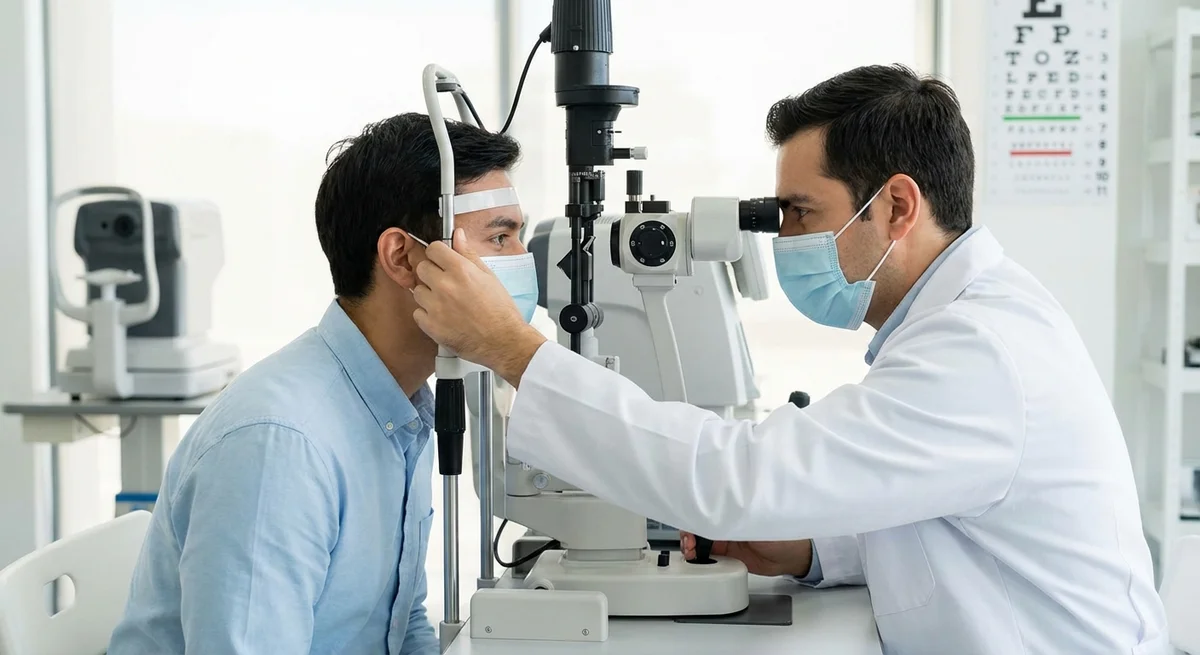
Regular comprehensive eye exams are critical because glaucoma damage is often silent until it is advanced. By getting an exam early (a “baseline” test) in your 30s or 40s, your eye doctor can record your normal intraocular pressure (IOP), optic nerve appearance, and visual field performance. Future exams can then detect any small changes. According to the AAO, exams every few years for adults help to catch eye diseases early (www.ncbi.nlm.nih.gov). During a comprehensive exam, doctors check:
- Intraocular pressure (IOP) – measured with an instrument (tonometry) to see how much pressure is inside the eye (www.ncbi.nlm.nih.gov).
- Optic nerve exam – looking through a dilated pupil to inspect the optic nerve head for swelling or cupping (www.ncbi.nlm.nih.gov).
- Visual field test – checks fuller peripheral vision, since glaucoma often causes “tunnel vision.”
- Gonioscopy – an exam of the angle between the iris and cornea to see if it’s open or narrow.
- Corneal thickness (pachymetry) – thickness affects IOP reading and risk, so it’s measured too (www.ncbi.nlm.nih.gov).
- Optical nerve imaging (OCT) – modern scans that map the retinal nerve fiber layer for thinning.
All these tests together can detect early signs of open-angle glaucoma (the most common type) or angle-closure risk. If you have risk factors (family history of glaucoma, high myopia, steroid use, etc.), your eye doctor may check more frequently. The key point: never skip eye exams because mild glaucoma causes no pain or obvious symptoms until it is advanced (www.ncbi.nlm.nih.gov) .
Proven Prevention and Risk-Reduction Strategies
1. Stay Active with Aerobic Exercise
Moderate aerobic exercise can lower eye pressure and improve blood flow to the optic nerve. For example, a study showed that 30 minutes of moderate exercise (jogging on a treadmill) caused a significant drop in IOP for both healthy people and glaucoma patients (pmc.ncbi.nlm.nih.gov). Meta-analyses confirm that aerobic activity can reduce IOP by a few mmHg acutely (pmc.ncbi.nlm.nih.gov). Regular brisk walking, jogging, swimming, or cycling is recommended for general health and may modestly reduce glaucoma risk. (On the flip side, very heavy straining lifts, like 1-rep max weightlifting, cause sharp spikes in IOP – one study found leg-press exercises raised eye pressure by an average of 26.5 mmHg – but only very briefly (pmc.ncbi.nlm.nih.gov). It’s best to practice controlled breathing during weightlifting and avoid sustained Valsalva strain.) Yoga is generally healthy, but inverted poses (headstands, shoulder stands) can double your eye pressure while held (pmc.ncbi.nlm.nih.gov). People with glaucoma or strong family history should be cautious with extreme poses.
2. Eat a Healthy Diet
What you eat can support eye health. Leafy greens (like kale, spinach, collards) and other vegetables are rich in dietary nitrates, which improve blood vessel function. A large population study (Rotterdam Study) found that people eating more nitrates (from veggies) had a significantly lower risk of developing open-angle glaucoma (pmc.ncbi.nlm.nih.gov). Similarly, diets high in antioxidants and omega-3 fatty acids (found in fish, nuts, flaxseed) are linked with lower glaucoma risk. In one analysis of national survey data, higher blood levels of omega-3s (EPA/DHA) were associated with a lower likelihood of diagnosed glaucoma (pmc.ncbi.nlm.nih.gov). In practice, this means: eat a balanced “Mediterranean-style” diet with plenty of fruits, vegetables (especially dark leafy greens), whole grains, nuts, and oily fish. This diet also helps control weight and blood sugar (important for glaucoma risk, see below).
3. Maintain a Healthy Weight and Control Health Conditions
Obesity and metabolic diseases indirectly affect glaucoma risk. Large meta-analyses show that being overweight – especially having excess belly fat – is associated with higher eye pressure and a greater chance of glaucoma (pmc.ncbi.nlm.nih.gov). Keeping a healthy weight (BMI in normal range) is recommended. Equally important is managing systemic illnesses. Diabetes mellitus has been linked with a roughly 36% higher risk of developing open-angle glaucoma (pmc.ncbi.nlm.nih.gov). This may involve vascular damage or other metabolic effects. Control blood sugar (through diet, exercise, medications) to reduce this risk.
High blood pressure also factors in: both hypertension and too-low blood pressure can lower the blood flow to the optic nerve. Doctors often pay attention to your ocular perfusion pressure (the balance of blood pressure vs eye pressure). If your blood pressure is very low at night (a condition some call “dipper hypertension”), it could worsen optic nerve blood flow. Good management of blood pressure (not too high, not too low at night) is advisable, especially in glaucoma patients.
Another condition is sleep apnea. Obstructive sleep apnea has been strongly associated with glaucoma. Recent analyses report that people with sleep apnea are several times more likely to have glaucoma (pubmed.ncbi.nlm.nih.gov). This is possibly due to repeated drops in oxygen and blood flow at night. If you snore heavily or have apnea, seeking diagnosis and treatment (like CPAP therapy) is a wise part of glaucoma risk reduction.
4. Be Cautious with Substances
- Corticosteroids: This is one of the clearest risk factors. All forms of steroids (eye drops, inhalers, pills, even creams or nasal sprays) can raise eye pressure in susceptible individuals. Chronic steroid use can lead to “steroid-induced glaucoma,” an irreversible type of optic nerve damage (pmc.ncbi.nlm.nih.gov). Always inform your doctor/ophthalmologist if you use steroids, and have your eye pressure checked regularly during and after steroid treatment (pmc.ncbi.nlm.nih.gov). Limit steroid use to when absolutely necessary, and follow your doctor’s guidance.
- Caffeine: Coffee and other caffeinated drinks can cause a temporary rise in eye pressure by 1–2 mmHg for an hour or so after consumption. In isolation this is a small effect, but sensitive individuals should be aware. A review of a large UK database found that usual levels of caffeine intake had no strong link to glaucoma overall (pmc.ncbi.nlm.nih.gov). However, in persons with a very strong genetic risk for eye pressure elevation, caffeine might slightly worsen things (pmc.ncbi.nlm.nih.gov). It’s reasonable to moderate coffee drinking if you have high eye pressure or glaucoma.
- Sleeping position: Recent studies show that lying face-down or on your side can raise eye pressure compared to lying on your back. In one study of glaucoma patients, sleeping on the side or stomach significantly elevated IOP, whereas lying flat on the back kept pressure lower (pmc.ncbi.nlm.nih.gov). If you have glaucoma in one eye, try avoiding lying on that side at night. Studies suggest the pressure change is quick (within 30 seconds of changing position) and stays high as long as you stay in that posture (pmc.ncbi.nlm.nih.gov).
5. Other Lifestyle Tips
- Stay hydrated with water—but avoid gulping down liters of water at once (“water-drinking test” can raise IOP briefly).
- Quit smoking. There’s suggestive evidence smoking may harm blood flow to the optic nerve (as it does elsewhere), so quitting is wise even if direct proof for glaucoma is not definitive.
- Manage screen time and eye strain. While computer work doesn’t cause glaucoma, remember to take regular breaks and maintain normal blinking to keep eyes moist and relaxed.
Supplements and “Neuroprotective” Therapies
There is exciting “emerging” research on supplements and drugs that might protect retinal nerves independently of pressure. However, the evidence is still developing. These should not replace standard care, but they may be discussed with your doctor:
- Nicotinamide (Vitamin B3): In lab models, high-dose nicotinamide has been shown to protect nerve cells. In mice genetically predisposed to glaucoma, nicotinamide almost completely prevented optic nerve damage (pmc.ncbi.nlm.nih.gov). This is an unprecedented result in animals. Human studies are ongoing. The thought is nicotinamide boosts cellular energy and resilience. Some eye doctors are cautiously using high-dose B3 in glaucoma patients (usually 500 mg to 1500 mg daily) under supervision, but large clinical trials in humans are still needed.
- Citicoline: This is a brain-nourishing compound available as a supplement (often generic choline precursor). A six-month clinical trial found that oral citicoline improved certain visual field parameters in glaucoma patients (pmc.ncbi.nlm.nih.gov). In one study, glaucoma patients taking citicoline for two years had a dramatic slowing of visual field loss (progression rate dropped from –1.0 dB/year to –0.15 dB/year) (pmc.ncbi.nlm.nih.gov). That suggests citicoline may help protect nerve cells, although results are mixed and it's not approved as a standard treatment in many countries.
- Ginkgo biloba: Ginkgo extract has antioxidant and blood-flow effects. Small trials in normal-tension glaucoma (glaucoma with low eye pressure) showed ginkgo improved the microcirculation around the optic nerve and even produced modest improvements in visual field defects (pmc.ncbi.nlm.nih.gov). These findings are intriguing but not definitive. Ginkgo is relatively safe for most people, but it can thin blood (so use cautiously if you are on blood thinners).
Important: None of these supplements can replace eye pressure control with medication or surgery. They are considered “adjuncts” that might help in borderline cases. Always discuss with your ophthalmologist before starting any new supplement, as they can advise on appropriate dosing and interactions.
Special Considerations for High-Risk Individuals
If you have a strong family history of glaucoma, you should be especially vigilant. First-degree relatives of glaucoma patients have several times the normal risk. For high-risk people, an ophthalmologist may recommend annual exams starting much earlier (even in the 30s). Keeping a careful eye on pressure and nerve status can catch early damage.
- Narrow Angles: Some eyes have an anatomically narrow drainage angle (often seen on exam with gonioscopy). This can lead to acute angle-closure glaucoma, a vision emergency. If your eye doctor finds narrow angles, he/she may offer a preventive laser treatment (laser peripheral iridotomy) to open the angle and avoid sudden pressure spikes. This is a proven precaution for people with anatomically narrow angles.
- Genetic Screening: Currently, routine genetic testing for common glaucoma (primary open-angle) is not widely used outside of research. There are many genes linked to juvenile or congenital glaucoma (and a polygenic risk score for adult glaucoma is in development). If your family has a known genetic mutation, your doctor may order testing. For most families, though, the best strategy is really frequent eye checks rather than genetic tests at this time. Some large studies (like the Netherlands’ EyeLife project) are researching genetic risk, and in the future, genetic screening may become more practical (pmc.ncbi.nlm.nih.gov).
Proven Steps Today (Action Plan)
- Schedule regular eye exams. Follow the recommended schedule: baseline around age 40, then every 2–4 years in 40s, every 1–3 years in 50s, 1–2 years at 65+ (www.ncbi.nlm.nih.gov). If you have risk factors (family history, diabetes, steroid use, etc.), start earlier and/or test more frequently. A baseline exam in your 30s/40s (with pupil dilation) can be your reference point for future eye health.
- Know your family history. Inform your doctor if any relatives have glaucoma. This alerts the doctor to check your eyes more thoroughly.
- Adopt a healthy lifestyle:
- Exercise moderately (aim for 30 minutes most days) to help keep pressure down and improve blood flow (pmc.ncbi.nlm.nih.gov).
- Eat a balanced diet with lots of fruits and vegetables, especially leafy greens and foods rich in omega-3s and antioxidants (pmc.ncbi.nlm.nih.gov) (pmc.ncbi.nlm.nih.gov).
- Maintain a healthy weight and control blood sugar/blood pressure under your doctor’s guidance (pmc.ncbi.nlm.nih.gov) (pmc.ncbi.nlm.nih.gov).
- Stay hydrated and avoid excessive caffeine or other stimulants.
- Avoid or carefully use known risks:
- Use corticosteroids (even over-the-counter nasal sprays or creams) only as needed and under supervision (pmc.ncbi.nlm.nih.gov). Tell your eye doctor if steroid use is required for any reason.
- If you play wind instruments or do heavy weightlifting, be aware these actions can spike your eye pressure. Wherever possible, do them with proper technique (avoid straining/blocking your breathing) and let your eye doctor know.
- For glaucoma patients, try to sleep on your back. Limit sleeping facedown or on your sides, since these positions can raise IOP (pmc.ncbi.nlm.nih.gov).
- Take prescribed glaucoma medicines faithfully. If you are diagnosed with high eye pressure or early glaucoma, use eye drops or treatments exactly as prescribed. Adherence to treatment prevents vision loss.
- Discuss supplements with your doctor. If you’re interested in neuroprotective supplements (nicotinamide, citicoline, ginkgo), bring it up. Use them only after proven strategies are in place, and under guidance.
What’s Proven vs. What’s Promising
- Proven: Regular eye exams, early treatment of any high eye pressure, and general healthy living are the foundations. Managing diabetes or hypertension is proven to benefit your eyes. Avoiding steroids or having them monitored, and lifestyle moderation (no smoking, moderate caffeine, no extreme exercise strain) are sensible steps backed by evidence (pmc.ncbi.nlm.nih.gov) (pmc.ncbi.nlm.nih.gov) (pmc.ncbi.nlm.nih.gov).
- Promising (but not conclusive): Supplements like vitamin B3 (nicotinamide) and citicoline have shown remarkable results in labs and some small studies (pmc.ncbi.nlm.nih.gov) (pmc.ncbi.nlm.nih.gov), but large human trials are still underway. Ginkgo biloba shows some benefit for optic nerve blood flow (pmc.ncbi.nlm.nih.gov). We mention these so you’re aware, but they remain secondary to the basics.
Conclusion
To “prevent” vision loss from glaucoma, early detection and risk reduction are key. An action plan for most people is:
- Get screened: Start comprehensive eye exams early (baseline in your 30s/40s), and keep up with regular eye checks (www.ncbi.nlm.nih.gov) (www.ncbi.nlm.nih.gov).
- Control risk factors: Manage your health (diabetes, blood pressure), avoid steroids unless needed, stay active and eat well (pmc.ncbi.nlm.nih.gov) (pmc.ncbi.nlm.nih.gov).
- Modify lifestyle: Exercise, maintain a healthy diet rich in leafy greens and omega-3 sources (pmc.ncbi.nlm.nih.gov) (pmc.ncbi.nlm.nih.gov), moderate caffeine, avoid extreme strain, and sleep in favorable positions (pmc.ncbi.nlm.nih.gov) (pmc.ncbi.nlm.nih.gov).
- Follow medical advice: Use eye drops or laser/surgery if your doctor says so, and consider supplements only as an adjunct under supervision (pmc.ncbi.nlm.nih.gov) (pmc.ncbi.nlm.nih.gov).
By focusing on what we can control now – regular eye care and general health – we give ourselves the best chance to catch glaucoma early or slow it down seriously. The reality is that there is no guaranteed way today to completely prevent glaucoma if you are predisposed, but proactive steps can preserve your vision. Stay informed, stay engaged in your eye health, and partner with your eye care professional to adapt the plan above to your personal risk.
**.