

A New Clue in Glaucoma: Leaky Blood Vessels May Damage Vision
One new idea is that damage to small retinal blood vessels might contribute to glaucoma. Normally, the tiny blood vessels in the retina have tight...
Deep research and expert guides on maintaining your visual health.
One new idea is that damage to small retinal blood vessels might contribute to glaucoma. Normally, the tiny blood vessels in the retina have tight...
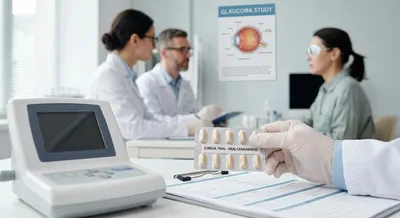
Before we dive in, let’s remember why eye pressure matters. Glaucoma is a group of eye conditions where high pressure or poor blood flow damages the...
For example, imagine a treatment that boosts the survival of optic nerve fibers or blocks harmful chemical processes in the nerve. If such a...
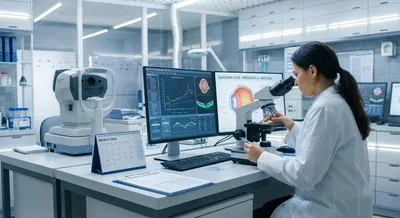
Intraocular pressure (often simply called eye pressure) is the force created by fluid inside your eye () (). Your eyes constantly make a clear fluid...
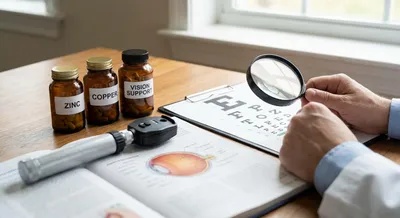
It’s worth noting that many people regularly exceed safe zinc intakes. The National Institutes of Health advise that healthy adults only need about...
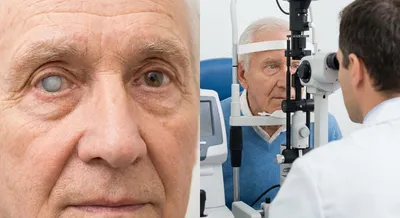
Yet cataracts and glaucoma both become more common with age and often occur together, so understanding their differences matters for any patient....
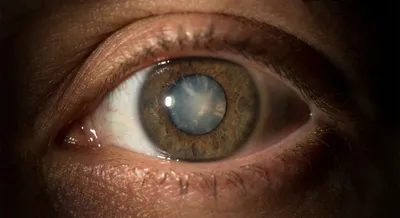
Early stage. In early glaucoma, most vision—especially central vision—is normal, so patients usually feel fine. The earliest signs are subtle blind...
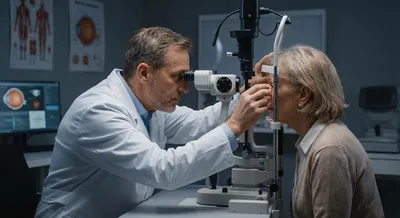
Early detection is crucial. By the time a typical visual field test catches glaucoma, roughly half of the retinal nerve cells (retinal ganglion...
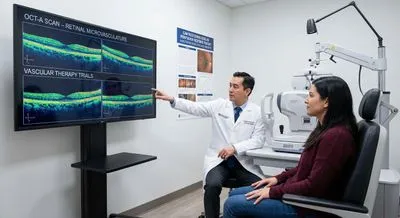
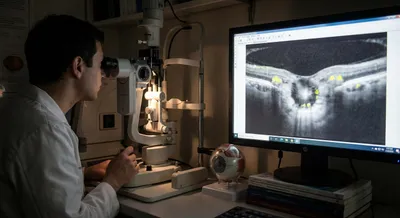
OCT-Angiography (OCT-A) captures images of blood flow by detecting moving red blood cells in the eye’s capillaries. Two key metrics are often...
Vision loss means a partial or complete reduction in the ability to see, ranging from mild blurring to total blindness. It can develop suddenly or slowly, affect one or both eyes, and be temporary or permanent depending on the cause. Common causes include damage to the retina or optic nerve, blockage or poor blood flow, eye diseases, injuries, infections, and age-related changes. Even mild loss of sight can make everyday tasks like reading, driving, and recognizing faces difficult and can reduce independence. Sudden vision loss is a medical emergency and often requires rapid evaluation because some causes are treatable if caught early. Gradual vision loss may be noticed later and can still benefit from timely diagnosis and management to slow progression. Treatments vary widely: some conditions respond to medication, laser therapy, or surgery, while others are managed with rehabilitation and visual aids. Rehabilitation services and assistive technologies can help people adapt and maintain quality of life when vision cannot be fully restored. Preventing vision loss often involves regular eye exams, managing systemic conditions like diabetes and high blood pressure, and protecting the eyes from injury. Emotional and social impacts are common, so support and counseling are important parts of care. Understanding the early warning signs and seeking prompt care improves the chance of saving sight. Public health measures and research also play key roles in reducing the overall burden of vision impairment worldwide.