
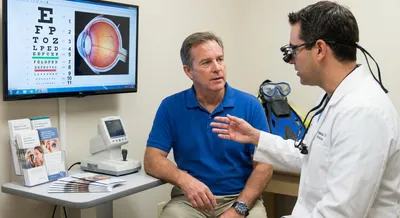
SCUBA Diving and Glaucoma: Pressure, Perfusion, and Post-Surgical Precautions
In practice, experienced divers avoid mask squeeze entirely and typically equalize early in each descent. It’s also recommended to use a low-volume...
Deep research and expert guides on maintaining your visual health.
In practice, experienced divers avoid mask squeeze entirely and typically equalize early in each descent. It’s also recommended to use a low-volume...

Glaucoma is roughly twice as common in older adults, and women make up a large portion of patients. Researchers have long noticed that female...
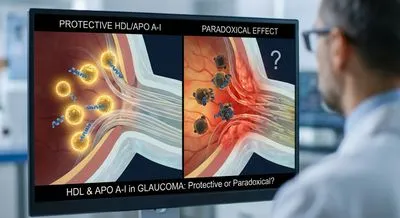
In general health, HDL carries cholesterol from tissues back to the liver and has anti-inflammatory and antioxidant actions. For example, HDL...
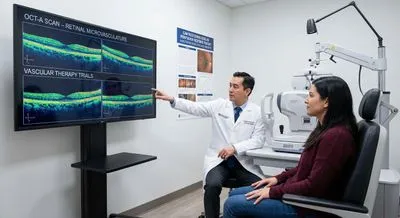
OCT-Angiography (OCT-A) captures images of blood flow by detecting moving red blood cells in the eye’s capillaries. Two key metrics are often...

Preclinical studies consistently show EGCG helps RGC survival after injury or elevated IOP. In a mouse glaucoma model (microbead-induced high IOP),...
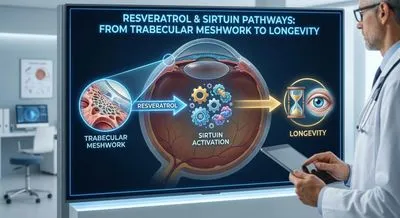
The TM tissue acts as the eye’s drainage filter and becomes less cellular and more dysfunctional in glaucoma. Chronic oxidative stress and...
Ocular perfusion refers to the blood flow that delivers oxygen and nutrients to the eye’s tissues, including the retina and optic nerve. These tissues rely on a steady supply of oxygen and glucose to function and to clear away metabolic waste, so proper perfusion is essential for clear vision and healthy eye cells. Blood flow to the eye depends on overall blood pressure, the health and caliber of the eye’s vessels, and the pressure inside the eye; changes in any of these can alter perfusion. When perfusion is reduced, the delicate nerve cells of the eye can become starved of oxygen, which increases the risk of damage and permanent vision loss. Understanding ocular perfusion matters because impaired circulation can worsen many eye conditions and influence treatment choices. Clinicians consider perfusion when evaluating eye health and may recommend interventions to improve blood flow or to manage factors that threaten it, such as high eye pressure or systemic cardiovascular problems. Lifestyle measures and medical treatments that support healthy circulation and vascular health can help protect vision. Ongoing research into monitoring and maintaining ocular perfusion aims to improve strategies for preventing vision loss as people age or face vascular disease.