
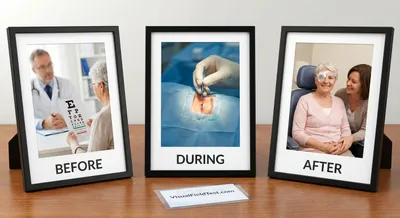
The Glaucoma Shunt Journey: What to Expect Before, During, and After Surgery
Why would a doctor suggest this? Usually, tube shunt surgery is a backup plan when more common treatments aren’t enough. If eye drops and laser...
Deep research and expert guides on maintaining your visual health.
Why would a doctor suggest this? Usually, tube shunt surgery is a backup plan when more common treatments aren’t enough. If eye drops and laser...

Home readings can also serve as early safety signals. Protocols typically pre-specify pressure thresholds or warning rules. For instance, the...
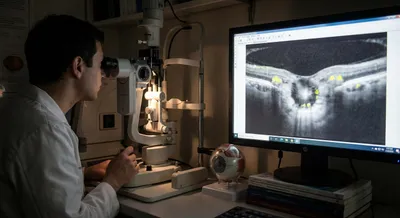
For example, imagine a treatment that boosts the survival of optic nerve fibers or blocks harmful chemical processes in the nerve. If such a...
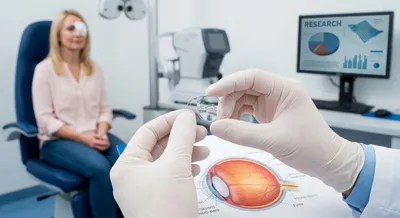
In March 2026, SpyGlass Pharma reported early results from a trial of their BIM-IOL System. This news is exciting but should be read carefully. The...

There is no single answer to “how fast does glaucoma progress?” – rates vary enormously. Major studies show untreated glaucoma often worsens...
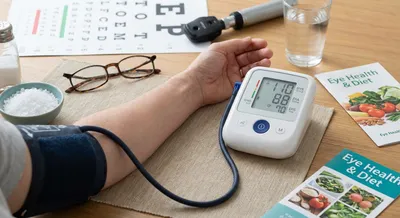
For example, a major review found “strong relationships between low ocular perfusion pressure and open-angle glaucoma” – in population studies, eyes...
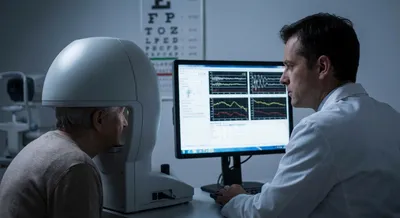
Most glaucoma guidelines stress frequent monitoring, especially soon after diagnosis. For example, expert recommendations suggest newly diagnosed...
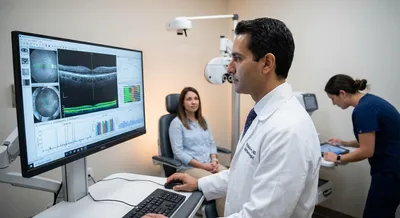
Early clinics have long tested for rare single-gene mutations (e.g. MYOC, OPTN) in families with juvenile or early-onset glaucoma (). But such...
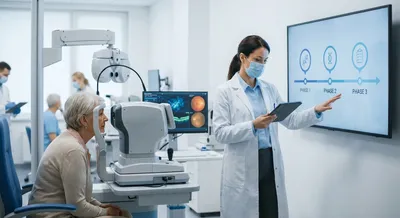
New Eye Drops and Supplements: Beyond GLP-1 drugs, other novel compounds are under study. For example, Ocular Neuroenhancement: Early trials of...
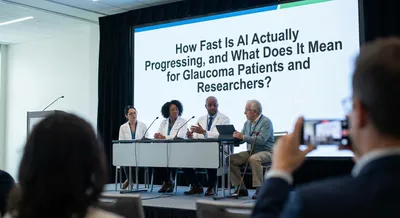
Researchers measure AI progress by performance on challenging tasks (benchmarks) and by tracking improvements in model design, data, and compute. In...
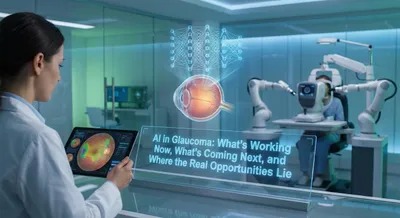
Commercial and research groups are already developing such systems. For instance, the Medios AI-Glaucoma system (Remidio, India/ Singapore)...
Screen your peripheral vision from home — no downloads, no waiting rooms. Sign up for a free trial and test in under 5 minutes.
Ophthalmology is the branch of medicine that focuses on the health of the eyes and the quality of vision. Doctors who practice this field diagnose and treat problems like blurred vision, eye infections, cataracts, glaucoma, and diseases of the retina. They use tools such as microscopes, specialized lights, and imaging devices to look inside the eye and measure how well it works. Care in this area ranges from simple eye exams and prescription of glasses to medical treatments and surgical procedures that can restore or preserve sight. Because the eyes are connected to the brain and to overall health, eye care can also reveal signs of diabetes, high blood pressure, and other conditions. Keeping up with regular checkups helps catch many problems early, when they are easier to treat and before permanent vision loss occurs. Advances in instruments and techniques have made many procedures faster, safer, and more precise than they used to be. Access to good eye care matters because vision is central to daily life, work, learning, and safety. Understanding when to see a specialist and how treatments can help makes it easier to protect long-term eye health. In short, ophthalmology helps people keep or regain sight, improving independence and quality of life.