
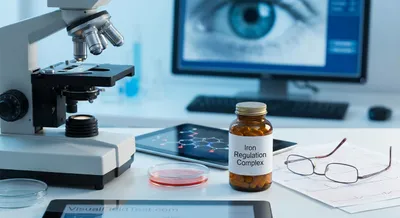
Can Ferroptosis Supplements Protect Vision in Glaucoma? What the New Dnajb14 Discovery Really Means
Ferroptosis is not a household word, but it’s essentially a newly recognized way cells can die. Unlike typical cell death (like old cells dying...
Deep research and expert guides on maintaining your visual health.
Ferroptosis is not a household word, but it’s essentially a newly recognized way cells can die. Unlike typical cell death (like old cells dying...
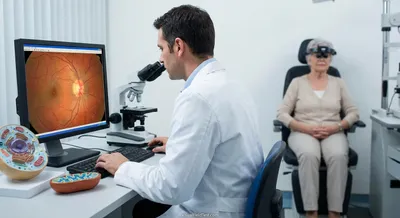
Retinal ganglion cells are the nerve cells in the eye that send visual signals from the retina to the brain. They have an especially high energy...
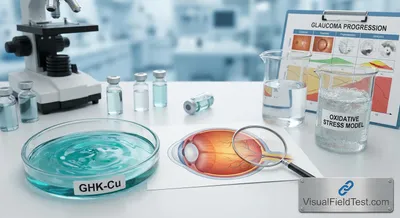
Plain-language summary: GHK-Cu is a naturally occurring protein fragment that carries copper. It is known to help wounds heal and may influence...

In theory, brief exposure to high oxygen (like short HBOT sessions) could activate protective pathways inside eye cells. One key pathway involves the...

In contrast, the evidence in glaucoma is sparse and mixed. No large clinical trial has proven that taking antioxidant pills improves glaucoma...

Logically, such a diet is rich in antioxidant nutrients. Antioxidants (like vitamin C, vitamin E, and minerals such as zinc) neutralize harmful...

As people age, common eye disorders become more frequent. Major culprits include AMD (a deterioration of the central retina), cataracts (clouding of...
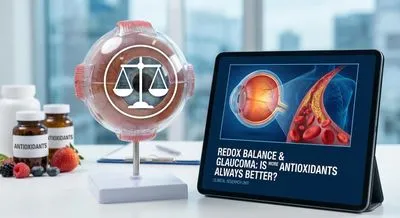
The eye is particularly sensitive because it has high oxygen use and is exposed to light. Normally, your eye fluids and tissues contain antioxidants...
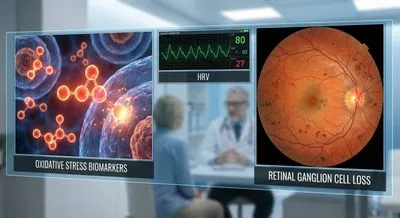
In this article, we explain what oxidative stress markers like F2-isoprostanes, malondialdehyde (MDA), and 8-hydroxy-2’-deoxyguanosine (8-OHdG) are,...
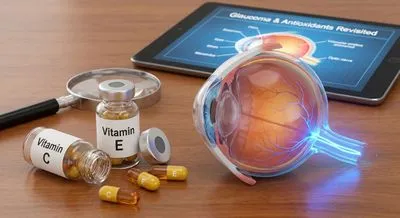
This review will summarize the evidence—both old and new—on vitamins C and E in glaucoma. We will look at laboratory and animal studies, population...

After drinking coffee or another caffeinated drink, caffeine is rapidly absorbed – reaching peak blood levels in about 1–1.5 hours (). At doses of...
NAC is a lipid-soluble cysteine source that crosses cell membranes and is quickly converted to cysteine, the rate-limiting building block for...
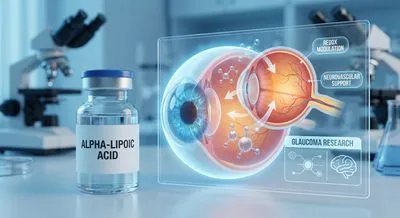
Alpha-lipoic acid (ALA), also known as thioctic acid, is a short-chain sulfur-containing fatty acid synthesized in mitochondria. In its reduced form...
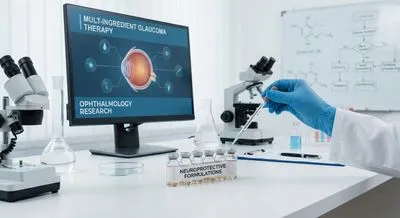
However, combining many compounds also has pitfalls. Overlapping mechanisms can lead to diminishing returns. The so-called “antioxidant paradox”...
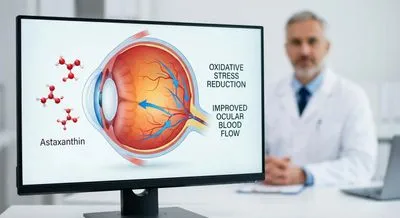
Astaxanthin protects eye cells from oxidative damage. In animal models of eye disease, AXT reduced markers of stress and inflammation in the retina...
Track peripheral vision changes between eye doctor visits. Start your free trial and get results in under 5 minutes.
Antioxidants are a broad group of molecules that help protect cells from damage caused by reactive oxygen molecules that form during normal metabolism and environmental exposure. They work by neutralizing or stabilizing these reactive molecules so they cannot harm proteins, fats, or DNA. Common examples include vitamins like C and E, minerals such as selenium, pigments like carotenoids, and small molecules made inside cells. Because they act in different parts of the body and in different ways, a mix of antioxidants is more effective than any single one. Antioxidants matter because unchecked oxidative damage contributes to aging and to many chronic conditions that affect quality of life. Eating a varied diet rich in fruits, vegetables, nuts, and whole grains is the simplest way to get a range of antioxidants. Some people also use supplements, but taking very large doses can sometimes be unhelpful or even harmful. The best approach is balance: a healthy lifestyle, regular exercise, and avoiding smoking and excessive sun exposure all support the body's natural antioxidant defenses. Regular health checkups can help you and your care providers decide if any targeted support is appropriate.