
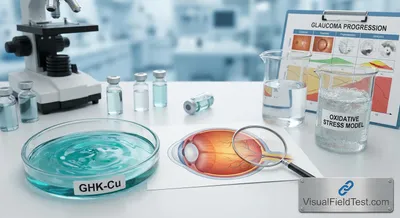
The Copper Peptide and the Optic Nerve: A Deep Look at GHK-Cu, Oxidative Stress, and Glaucoma
Plain-language summary: GHK-Cu is a naturally occurring protein fragment that carries copper. It is known to help wounds heal and may influence...
Deep research and expert guides on maintaining your visual health.
Plain-language summary: GHK-Cu is a naturally occurring protein fragment that carries copper. It is known to help wounds heal and may influence...

In 2015, researchers discovered MOTS-c – a 16-amino-acid peptide encoded in mitochondrial DNA (mtDNA) (). It is produced from a short open reading...
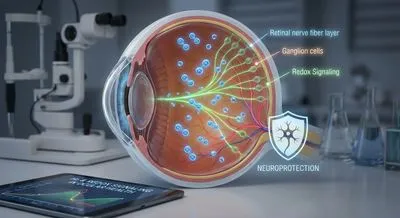
Beyond pressure-related injury, H₂ has shown benefit in other eye models. In diabetic-like rodents, oral H₂ water improved abnormal retinal blood...
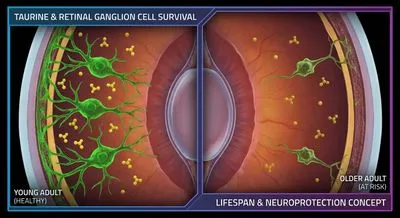
Taurine plays key cellular roles beyond being a nutrient. In the retina it acts as an organic osmolyte, helping cells adjust their volume under...
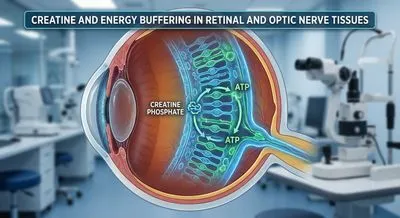
Importantly, this system exists not only in muscle but in nerve cells. Neurons (including RGCs) express CK isoforms that enable them to use creatine....
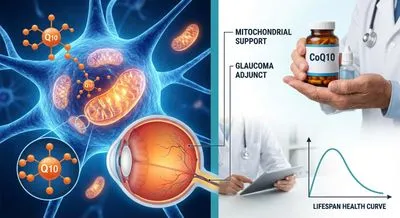
Notably, in the topical CoQ10 trial (), all eyes were also on standard drugs (timolol/dorzolamide), and CoQ10-treated eyes fared better. Thus, CoQ10...
Our visual field test is inspired by the perimetry methods eye care professionals use. Check for blind spots and track changes over time.
Test Your VisionAging is the gradual process by which our bodies change and become less able to repair and maintain themselves over time. It happens at every level of the body: molecules, cells, tissues, and whole organs. Several changes drive aging, including accumulated damage to DNA, reduced ability of cells to clear waste, decline in energy production by tiny structures inside cells, and chronic low-level inflammation. Cells can stop dividing and enter a state called senescence, which changes how tissues function and can promote inflammation. Repair systems like autophagy, which recycles damaged parts inside cells, become less efficient with age. Because of these shifts, older tissues are more vulnerable to stress, heal more slowly, and are at higher risk of chronic diseases. Aging matters because it is the main risk factor for many conditions that reduce quality of life, such as heart disease, vision loss, neurodegeneration, and frailty. While we cannot stop time, lifestyle choices like diet, exercise, sleep, and not smoking can slow some age-related changes and lower disease risk. Researchers are exploring ways to support cell energy, reduce harmful molecules, and boost repair pathways to help people stay healthier longer. Understanding aging helps people make practical decisions about health and informs new treatments that aim to preserve function as we grow older.