
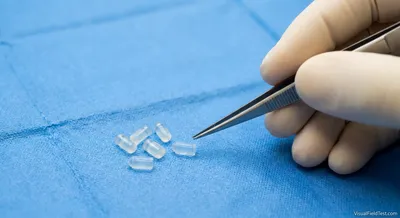
Sustained-release glaucoma implants
Ophthalmologists and researchers have long noted these challenges. Topical drops can work well if used perfectly, but in reality poor adherence and...
Deep research and expert guides on maintaining your visual health.
Ophthalmologists and researchers have long noted these challenges. Topical drops can work well if used perfectly, but in reality poor adherence and...

Capturing slow changes in eye pressure and fields (monitoring). A recent study (the ADAGES group) looked at long-term glaucoma data and found that...
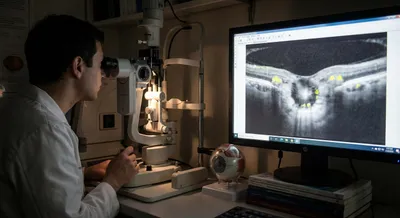
For example, imagine a treatment that boosts the survival of optic nerve fibers or blocks harmful chemical processes in the nerve. If such a...
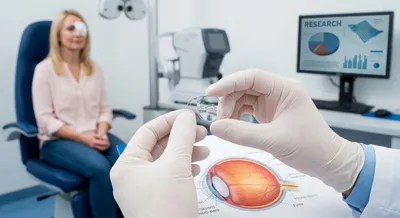
In March 2026, SpyGlass Pharma reported early results from a trial of their BIM-IOL System. This news is exciting but should be read carefully. The...
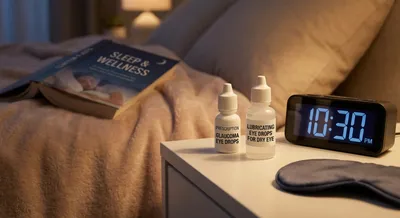
Glaucoma eye drops protect vision but can irritate the eye. This irritation usually comes from the medicine’s ingredients or the preservatives used...
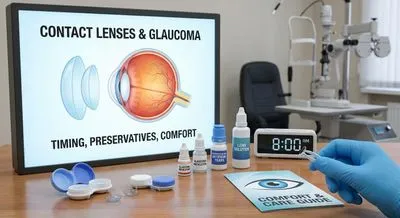
Remove contacts before drops: Always take out your lenses before applying glaucoma eye drops. This keeps the lens from soaking up too much medicine...
Track peripheral vision changes between eye doctor visits. Start your free trial and get results in under 5 minutes.
Eye drops are liquid medications or lubricants placed directly onto the surface of the eye to treat a wide range of problems. They can relieve dryness, reduce redness, treat infections, lower eye pressure, dilate pupils for exams, or control allergy and inflammatory symptoms. Formulations differ: some bottles contain preservatives for multi-use, while others are preservative-free and packaged in single-use vials for sensitive eyes. Choosing the right kind and following the dosing schedule matters because incorrect use can reduce effectiveness or cause side effects like stinging, blurred vision, or irritation. People who wear contact lenses should be cautious because certain drops can stick to lenses or contain ingredients that damage them or irritate the eye. When using more than one drop, it’s usually best to wait a few minutes between applications so each one can be absorbed. Storing bottles as directed and checking expiration dates helps prevent contamination and infection. A healthcare provider can demonstrate the best technique for applying drops so more medicine reaches the eye and less is wasted. If a drop causes severe pain, vision changes, or persistent redness, stop using it and contact an eye professional.