

Substance P, Pain, and Neuroinflammation in Glaucoma
Substance P (SP) is a signaling molecule made by nerve cells. When nerves are irritated or injured, they release Substance P into the surrounding...
Deep research and expert guides on maintaining your visual health.
Substance P (SP) is a signaling molecule made by nerve cells. When nerves are irritated or injured, they release Substance P into the surrounding...
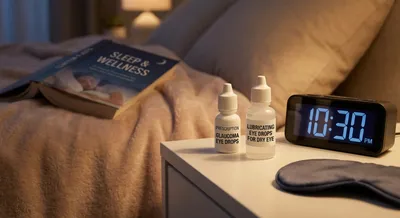
Glaucoma eye drops protect vision but can irritate the eye. This irritation usually comes from the medicine’s ingredients or the preservatives used...
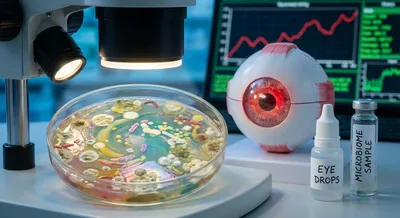
Recent studies confirm that the mix of microbes on the eye changes with age. Using DNA sequencing, scientists showed that “young” and “old” adult...
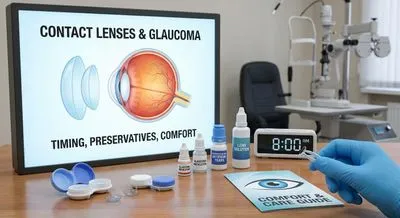
Remove contacts before drops: Always take out your lenses before applying glaucoma eye drops. This keeps the lens from soaking up too much medicine...
Screen your peripheral vision from home — no downloads, no waiting rooms. Sign up for a free trial and test in under 5 minutes.
Dry eye is a common condition in which the eyes don’t have enough moisture or the tears evaporate too quickly, causing discomfort. Tears are a complex mix of water, oils, mucus, and protective proteins that keep the eye’s surface smooth and shield it from infection. When tear quality or quantity is poor, people may feel burning, a gritty sensation, excessive reflex tearing, light sensitivity, or blurred vision. Causes include aging, hormonal changes, certain medications, long periods of screen use, environmental factors like wind or dry indoor air, and some medical conditions. Simple steps such as using lubricating eye drops, increasing room humidity, taking regular breaks from screens, and wearing protective eyewear can reduce symptoms for many people. More persistent or severe cases may need prescription treatments, procedures to block tear drainage, or specialized in-office therapies guided by an eye care professional. People who wear contact lenses or use frequent eye medications should pay special attention because those factors can worsen dryness or affect which treatments are safe. Proper diagnosis is important because similar symptoms can come from allergies or inflammation that require different care. Managing dry eye improves comfort, clarity of vision, and overall eye health, so it’s worth seeing a professional if over-the-counter measures don’t help.