
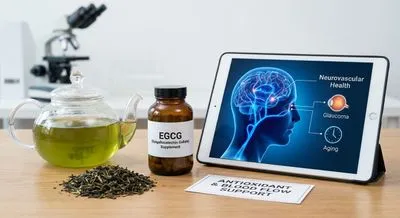
Green Tea Catechins (EGCG) for Neurovascular Health in Glaucoma and Aging
Preclinical studies consistently show EGCG helps RGC survival after injury or elevated IOP. In a mouse glaucoma model (microbead-induced high IOP),...
Deep research and expert guides on maintaining your visual health.
Preclinical studies consistently show EGCG helps RGC survival after injury or elevated IOP. In a mouse glaucoma model (microbead-induced high IOP),...

The TM tissue acts as the eye’s drainage filter and becomes less cellular and more dysfunctional in glaucoma. Chronic oxidative stress and...
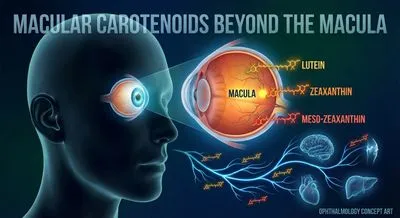
Macular carotenoids act as optical filters and antioxidants in the eye. By absorbing short-wavelength light and scavenging reactive oxygen species...
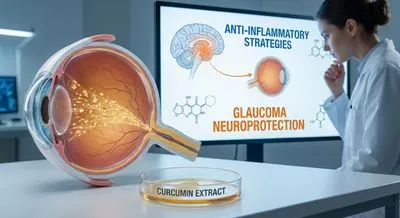
In the eye, microglia (resident immune cells) amplify inflammation when activated. Curcumin dampens microglial over-activation and cytokine release....
Screen your peripheral vision from home — no downloads, no waiting rooms. Sign up for a free trial and test in under 5 minutes.
Bioavailability is a measure of how much of a substance actually reaches the bloodstream or the body site where it needs to work after you take it. When you swallow a pill, eat a food, or get an injection, not all of the active ingredient may get where it needs to go. Some of it can be broken down in the gut, changed by the liver, or simply not absorbed through the gut wall. This concept matters because the benefits and side effects of medicines, vitamins, and supplements depend on how much is available to your body. A compound with low bioavailability might need a higher dose or a special formulation to work properly. Factors that change bioavailability include the form of the substance, whether it is taken with food, the health of the digestive system, and interactions with other drugs. Scientists and companies try to improve bioavailability with techniques like combining the compound with fats, using special delivery systems, or creating modified versions that are absorbed better. Doctors and pharmacists think about bioavailability when choosing doses and delivery methods so treatments are effective and safe. For everyday people, understanding this idea helps explain why some supplements seem ineffective or why two products with the same amount of an ingredient can have different results. If you're considering a new medicine or supplement, asking about its bioavailability can help you and your clinician make better choices.