
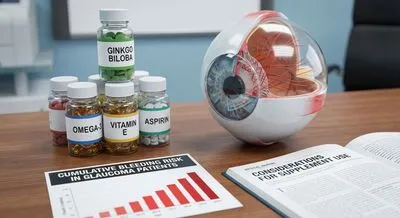
Stacking Blood-Thinning Supplements: Cumulative Bleeding Risk in Glaucoma Patients
Garlic. Garlic (Allium sativum) contains allicin and related molecules that inhibit platelets in a dose-dependent way (). In practical terms, eating...
Deep research and expert guides on maintaining your visual health.
Garlic. Garlic (Allium sativum) contains allicin and related molecules that inhibit platelets in a dose-dependent way (). In practical terms, eating...
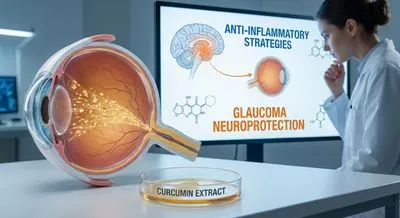
In the eye, microglia (resident immune cells) amplify inflammation when activated. Curcumin dampens microglial over-activation and cytokine release....
Track peripheral vision changes between eye doctor visits. Start your free trial and get results in under 5 minutes.
Curcumin is a naturally occurring compound found in the spice turmeric, which is commonly used in cooking and traditional medicine. It is known for its bright yellow color and for having antioxidant and anti-inflammatory properties in laboratory studies. People take curcumin as a supplement or use turmeric in foods because it may help reduce inflammation, protect cells from damage, and support general health. Curcumin matters because inflammation and oxidative stress are involved in many common health problems, including joint pain, heart disease, and some neurological conditions. However, curcumin is not easily absorbed by the body, so researchers are working on ways to improve its delivery and effectiveness. It can interact with certain medications and is not a substitute for proven medical treatments, so it is important to discuss use with a healthcare provider. Scientists continue to study curcumin to understand where it may offer real benefits and how to use it safely and effectively.