

MOTS-c and Glaucoma: A Mitochondrial Signal With Bigger Implications Than Eye Pressure?
In 2015, researchers discovered MOTS-c – a 16-amino-acid peptide encoded in mitochondrial DNA (mtDNA) (). It is produced from a short open reading...
Deep research and expert guides on maintaining your visual health.
In 2015, researchers discovered MOTS-c – a 16-amino-acid peptide encoded in mitochondrial DNA (mtDNA) (). It is produced from a short open reading...

In theory, brief exposure to high oxygen (like short HBOT sessions) could activate protective pathways inside eye cells. One key pathway involves the...
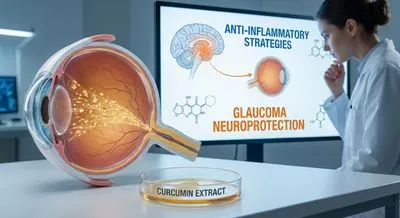
In the eye, microglia (resident immune cells) amplify inflammation when activated. Curcumin dampens microglial over-activation and cytokine release....
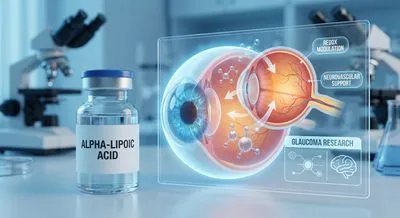
Alpha-lipoic acid (ALA), also known as thioctic acid, is a short-chain sulfur-containing fatty acid synthesized in mitochondria. In its reduced form...
Track peripheral vision changes between eye doctor visits. Start your free trial and get results in under 5 minutes.
Nrf2 is a protein inside cells that acts like a master switch for the body’s antioxidant defenses. When cells sense stress from free radicals or toxic chemicals, Nrf2 moves into the nucleus and turns on genes that make protective enzymes and molecules. These enzymes help neutralize oxidative damage, clear harmful substances, and support repair processes, so Nrf2 is important for keeping cells healthy under stress. Scientists are interested in Nrf2 because boosting its action can protect tissues in conditions such as aging, inflammation, diabetes complications, and some neurodegenerative diseases. Natural compounds and drugs that activate Nrf2 are being studied as potential therapies, because they could reduce cell damage and slow disease progression. However, Nrf2 activity must be balanced: too little leaves cells vulnerable, while long-term overactivation can sometimes help cancer cells survive. Researchers are therefore trying to find safe ways to enhance Nrf2 when it’s needed and avoid harmful side effects. Knowing about Nrf2 matters because it helps explain how the body defends itself at a molecular level and points to new strategies for protecting organs and nerves from damage.