
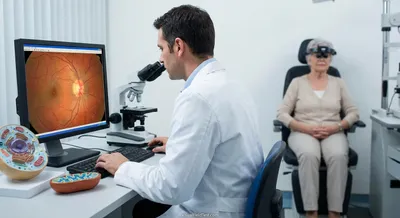
Czy jaskra jest chorobą niewydolności energetycznej? Mitochondria, starzenie się i nerw wzrokowy
Komórki zwojowe siatkówki to komórki nerwowe w oku, które przesyłają sygnały wzrokowe z siatkówki do mózgu. Mają one szczególnie wysokie...
Dogłębne badania i poradniki ekspertów dotyczące utrzymania zdrowia wzroku.
Komórki zwojowe siatkówki to komórki nerwowe w oku, które przesyłają sygnały wzrokowe z siatkówki do mózgu. Mają one szczególnie wysokie...

Obecnie żadna terapia nie została udowodniona, aby to robić u pacjentów. W dużych, trwających dziesiątki lat badaniach tylko obniżanie ciśnienia...

Obecne badania koncentrują się na trzech prekursorach NAD: nikotynamidzie (witamina B₃), rybozydzie nikotynamidu (NR) i mononukleotydzie nikotynamidu...

Siatkówka, zwłaszcza KZSR, to wysoce aktywna tkanka, która do prawidłowego funkcjonowania potrzebuje dużo energii. Energia ta pochodzi z maleńkich...

Nawet jeśli zaopatrzysz się w pirogronian, nieaktywne ciało nie przekształci go w dodatkowe ATP, chyba że będzie to potrzebne. Zamiast tego, nadmiar...
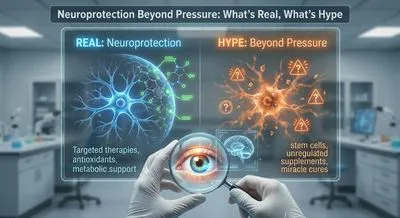
Niedawny przegląd przypomina nam, że po dziesięcioleciach pracy „tylko nieliczne terapie neuroprotekcyjne odniosły sukces kliniczny” (). Innymi...
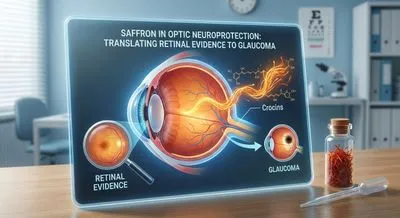
Przeciwutleniająca neuroprotekcja. Badania in vitro i na zwierzętach konsekwentnie wykazują, że krocyna i krocetyna chronią komórki siatkówki przed...
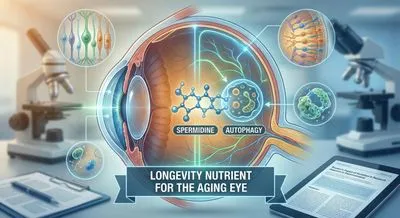
Indukując autofagię, spermidyna pomaga komórkom usuwać uszkodzone składniki i utrzymywać zdrowie mitochondriów. Na przykład, przewlekłe podawanie...
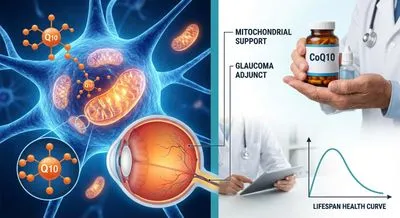
Co ważne, w badaniu CoQ10 stosowanego miejscowo (), wszystkie oczy były również leczone standardowymi lekami (timolol/dorzolamid), a oczy leczone...

NAD<sup>+</sup> to wszechobecny koenzym, który ułatwia produkcję ATP poprzez glikolizę i fosforylację oksydacyjną, a także służy jako substrat dla...
Sprawdź swoje widzenie peryferyjne w domu — bez pobierania, bez poczekalni. Zarejestruj się, aby skorzystać z bezpłatnego okresu próbnego i przetestuj w mniej niż 5 minut.
Mitochondria to małe struktury wewnątrz prawie każdej komórki, które wytwarzają energię potrzebną do jej pracy. Działają jak elektrownie komórkowe, przekształcając składniki odżywcze w nośnik energii zwany ATP, który napędza ruch, wyobraźnię i funkcje biologiczne. Komórki o dużym zapotrzebowaniu na energię, takie jak mięśnie, serce czy neurony, zawierają ich bardzo wiele. Poza produkcją energii, mitochondria uczestniczą w regulacji metabolizmu, sygnalizacji komórkowej i kontrolowaniu procesu zaprogramowanej śmierci komórki, co pomaga usuwać uszkodzone komórki. Gdy mitochondria działają nieprawidłowo, komórka produkuje mniej energii i więcej reaktywnych form tlenu, co może przyspieszać procesy starzenia i przyczyniać się do chorób. Problemy z funkcją tych organelli wiążą się z zaburzeniami układu nerwowego, mięśni, serca i oka. Dlatego naukowcy i lekarze interesują się sposobami wspierania mitochondriów — przez aktywność fizyczną, odpowiednią dietę i niektóre suplementy — aby poprawić funkcję komórek i ogólny stan zdrowia. Zrozumienie ich roli pomaga wyjaśnić, dlaczego pewne choroby rozwijają się z wiekiem i jak można próbować je łagodzić.