

Heat shock protein-derived peptides and autoimmunity in glaucoma
Evidence suggests that T cells (a type of white blood cell) reacting against HSPs can harm the optic nerve. For example, patient studies have found...
Deep research and expert guides on maintaining your visual health.
Evidence suggests that T cells (a type of white blood cell) reacting against HSPs can harm the optic nerve. For example, patient studies have found...

For example, activated microglia are known to release TNF-α and IL-1β which can trigger retinal ganglion cell death. Studies in animal models and...

Gene therapies are also under study to deliver neurotrophic signals. One innovative approach engineered a permanently active version of the BDNF...
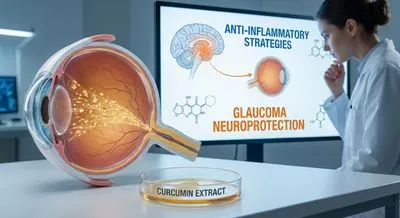
In the eye, microglia (resident immune cells) amplify inflammation when activated. Curcumin dampens microglial over-activation and cytokine release....
Screen your peripheral vision from home — no downloads, no waiting rooms. Sign up for a free trial and test in under 5 minutes.
Microglia are the resident immune cells of the brain and retina that constantly survey their surroundings for trouble. In their resting state they have branched shapes and help prune weak connections, remove dead cells, and support healthy tissue. When they detect injury or disease they change shape and behavior, becoming activated to clear debris, release signals, and recruit other immune cells. This response can be helpful at first, but if microglia stay activated too long they release inflammatory molecules and reactive oxygen species that harm neurons. Because of that dual nature, microglia are a major focus for treatments that aim to reduce chronic inflammation without blocking normal repair. Scientists study ways to shift microglia from a damaging state back to a supportive one using drugs, natural compounds, or lifestyle changes. Controlling microglial activation may protect nerve cells and preserve vision in conditions where inflammation contributes to progressive damage. Understanding how microglia communicate with neurons and other immune components is central to designing safe therapies. Overall, microglia are key caretakers of nervous tissue whose behavior determines whether inflammation helps or hurts the brain and eye.