
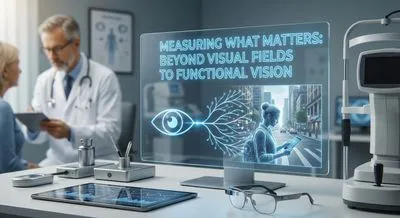
Measuring What Matters: Beyond Visual Fields to Functional Vision
Patient History and Questionnaires: Start by asking targeted questions every visit. Simple questions like “Do you have trouble reading or driving at...
Deep research and expert guides on maintaining your visual health.
Patient History and Questionnaires: Start by asking targeted questions every visit. Simple questions like “Do you have trouble reading or driving at...
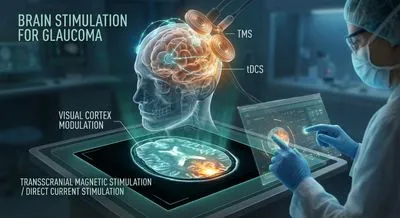
Vision outcomes: Measured outcomes have included visual field indices (e.g. detection accuracy or mean defect in perimetry) and sometimes contrast...
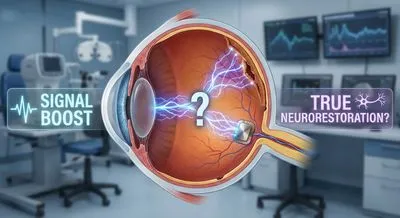
Experimental work suggests several ways brief currents can boost neural survival and plasticity. One class of effects is neurotrophic upregulation:...
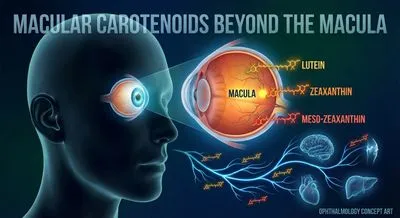
Macular carotenoids act as optical filters and antioxidants in the eye. By absorbing short-wavelength light and scavenging reactive oxygen species...
Track peripheral vision changes between eye doctor visits. Start your free trial and get results in under 5 minutes.
Contrast sensitivity is the eye’s ability to detect differences in light and dark between an object and its background, especially when those differences are small. It measures how well you can see objects that do not stand out clearly, such as a gray car on a foggy morning or faint print on a page. This skill is different from sharpness of vision, which is usually tested by reading small letters on an eye chart; someone can have good sharpness but poor contrast sensitivity and still struggle in everyday situations. Tests for contrast sensitivity use patterns or letters at varying levels of contrast and size to find the lowest contrast you can reliably see. Many eye conditions — including aging changes, cataracts, glaucoma, and retinal disease — reduce contrast sensitivity before they affect standard visual acuity. Reduced contrast sensitivity also makes glare from headlights, bright sunlight, or oncoming street lamps more disabling. Because it affects practical tasks like driving at night, reading in dim light, recognizing faces, and moving safely in unfamiliar places, contrast sensitivity is a crucial measure of real-world vision. Treatments and strategies to help include better lighting, higher-contrast materials, anti-glare coatings, vision rehabilitation, and medical or nutritional approaches that support eye health. Detecting problems with contrast sensitivity early can prompt changes that improve daily functioning even when standard eye charts look normal. In short, contrast sensitivity tells us how well a person can see subtle differences in brightness that are essential for safe, comfortable vision in many everyday situations.