
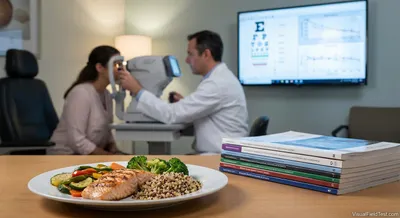
Macronutrient Patterns and Intraocular Pressure: A Systematic Evaluation
This article reviews the latest evidence on macronutrient patterns and glaucoma. We will survey epidemiologic studies of diet patterns...
Deep research and expert guides on maintaining your visual health.
This article reviews the latest evidence on macronutrient patterns and glaucoma. We will survey epidemiologic studies of diet patterns...
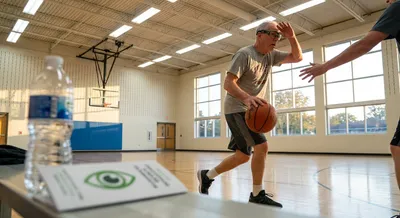
Basketball also provides important social and emotional benefits. Social sports help reduce stress, build confidence, and combat isolation. A...

There is no single answer to “how fast does glaucoma progress?” – rates vary enormously. Major studies show untreated glaucoma often worsens...
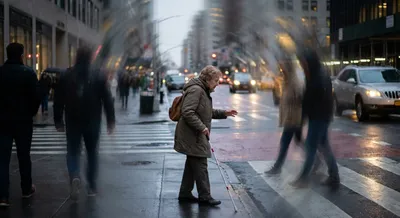
In short, the answer to “Is glaucoma a disability?” is “it depends.” Early-stage glaucoma often leaves central vision intact, so a person may...
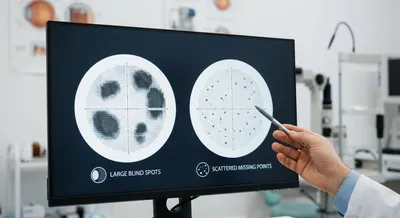
Diffuse or scattered defects (small-point losses) – Other patients show many isolated points of sensitivity loss scattered across the field, often...
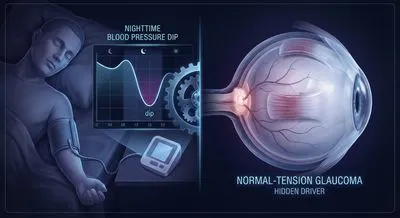
OPP is like the eye’s blood “fuel”. When systemic blood pressure (the “pump”) falls or eye pressure (“back pressure”) rises, OPP drops. Decades of...
Blind spots often develop gradually without symptoms. Start a free trial and take a quick visual field test to spot changes early.
Find Out NowVisual field loss means losing part of the area you can see while staring straight ahead. It can affect peripheral vision, central vision, or both, depending on the cause. Common causes include eye diseases like glaucoma, damage to the optic nerve, stroke, or problems in the brain that process sight. People with visual field loss often notice blank spots, difficulty seeing objects to the side, or trouble reading and navigating unfamiliar places. Tests in an eye clinic can map exactly which parts of the field are missing and help doctors track change over time. Early detection matters because some causes can be treated or slowed, and the sooner treatment begins the better the chance of preserving remaining vision. Even when the underlying cause cannot be cured, rehabilitation strategies like training, visual aids, and home adaptations can help people stay independent and safe. Visual field loss can affect daily activities such as driving, walking in busy areas, and performing detailed tasks, so it often requires practical adjustments. Regular eye exams, paying attention to symptoms, and working with health professionals improve the chances of managing the condition successfully. Understanding and addressing visual field loss early helps protect quality of life and reduces the risk of accidents or isolation.