
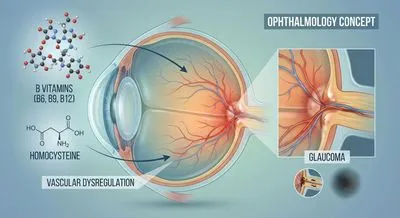
B Vitamins, Homocysteine, and Vascular Dysregulation in Glaucoma
Research suggests that homocysteine-related vascular damage is relevant to glaucoma. For example, animal models of glaucoma show retinal metabolic...
Deep research and expert guides on maintaining your visual health.
Research suggests that homocysteine-related vascular damage is relevant to glaucoma. For example, animal models of glaucoma show retinal metabolic...
Screen your peripheral vision from home — no downloads, no waiting rooms. Sign up for a free trial and test in under 5 minutes.
Vascular risk refers to the chance that the blood vessels in your body will become damaged, narrowed, or blocked, which can lead to problems such as heart attacks, strokes, kidney damage, and poor circulation. It matters because healthy blood flow delivers oxygen and nutrients to every organ; when vessels fail, many different parts of the body can suffer and recovery may be slow or incomplete. Several common factors raise this risk, including high blood pressure, high cholesterol, diabetes, smoking, excess weight, physical inactivity, and a family history of blood-vessel disease. Age and ongoing inflammation also make vessels more likely to harden, narrow, or develop clots over time. Having multiple risk factors together greatly increases the chance of a serious event compared with having only one or none. Certain medications and medical conditions can also influence risk by affecting blood, vessel walls, or clotting mechanisms. Doctors estimate a person’s vascular risk using medical history, blood tests, blood pressure readings, and risk calculators that combine several measurements into a single estimate. Imaging tests and simple physical checks, like measuring pulses or the ankle-brachial index, can reveal early signs before symptoms appear. The good news is that many causes of vascular risk are preventable or controllable: quitting smoking, eating a balanced diet, staying physically active, maintaining a healthy weight, and treating high blood pressure, high cholesterol, and diabetes all lower risk. Knowing your risk and working with a clinician to monitor and address it helps protect the heart, brain, eyes, kidneys, and limbs, and supports a longer, more active life.