
Does Angle-Closure Risk Build Up Earlier in Life Than People Think?
Knowing that the eye’s angle may stabilize in midlife is reassuring in that it may not continue to close rapidly in later years. But for at-risk...
Deep research and expert guides on maintaining your visual health.
Knowing that the eye’s angle may stabilize in midlife is reassuring in that it may not continue to close rapidly in later years. But for at-risk...
In this article we will explore unilateral and asymmetric glaucoma in depth. We begin with why one eye can be affected more than the other, then...
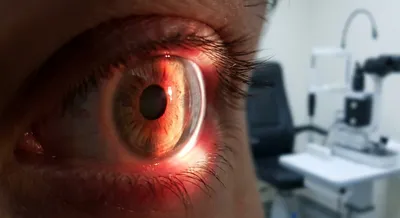
High pressure in the eye leads to irreversible vision loss if not relieved. In fact, studies show angle-closure glaucoma causes blindness far more...

As POAG progresses, symptoms emerge only gradually. Patients may describe difficulty discriminating contrast, or an unusual glare or halo around...
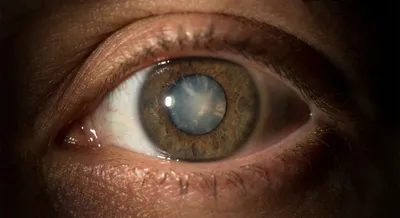
Early stage. In early glaucoma, most vision—especially central vision—is normal, so patients usually feel fine. The earliest signs are subtle blind...
Blind spots often develop gradually without symptoms. Start a free trial and take a quick visual field test to spot changes early.
Find Out NowAngle closure glaucoma occurs when the drainage angle in the eye becomes blocked, causing a rapid rise in eye pressure. This happens because the iris, the colored part of the eye, pushes forward and closes the tiny angle where fluid normally drains. There are two forms: a sudden, acute attack and a more gradual, chronic closure that gets worse over time. In an acute attack, symptoms can come on quickly and include severe eye pain, headache, nausea, blurred vision, and seeing halos around lights. An acute episode is a medical emergency because the high pressure can cause permanent vision loss within hours if not treated. People with certain eye shapes, shorter eyes, or very farsighted vision are at higher risk because their anatomy makes angle closure more likely. Eye doctors diagnose the condition by examining the angle with a special instrument and measuring eye pressure. Treatment for an acute attack focuses on rapidly lowering the pressure with medicines and then creating a small hole in the iris with a laser to restore drainage. Long-term care may include surgery to prevent future episodes and regular monitoring to protect the optic nerve.