
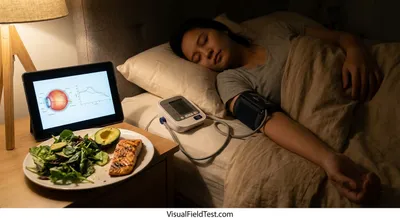
Low-Carb Diets and Nocturnal Blood Pressure Dips: Ocular Perfusion Risks and Benefits
Research has shown that excessive night-time hypotension is associated with glaucomatous damage. In fact, Hayreh and colleagues found that night-time...
Deep research and expert guides on maintaining your visual health.
Research has shown that excessive night-time hypotension is associated with glaucomatous damage. In fact, Hayreh and colleagues found that night-time...
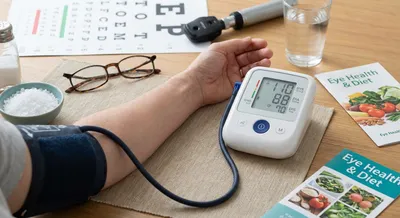
For example, a major review found “strong relationships between low ocular perfusion pressure and open-angle glaucoma” – in population studies, eyes...
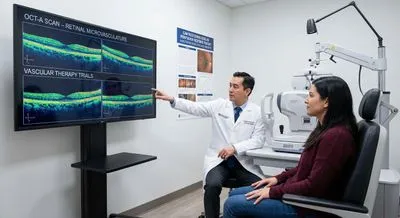
OCT-Angiography (OCT-A) captures images of blood flow by detecting moving red blood cells in the eye’s capillaries. Two key metrics are often...
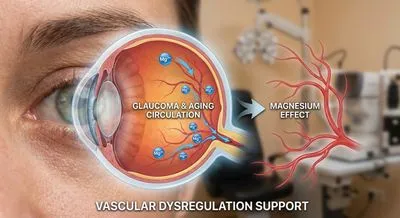
Magnesium influences blood vessels and endothelial function in several ways:
Our visual field test is inspired by the perimetry methods eye care professionals use. Check for blind spots and track changes over time.
Test Your VisionBlood pressure is the force that blood applies to the walls of arteries as the heart pumps it around the body. It is recorded as two numbers: systolic pressure (when the heart squeezes) over diastolic pressure (when the heart relaxes), usually written in millimeters of mercury (mmHg). Normal readings allow organs to receive steady blood flow, while values that are too high or too low can cause health problems. High blood pressure often has no clear symptoms but increases the risk of heart disease, stroke, kidney damage, and other complications over time. Low blood pressure can cause dizziness, fainting, and in severe cases organ under-perfusion and shock. Readings change throughout the day with activity, stress, posture, and medications, so doctors base decisions on multiple measurements. Many things affect blood pressure, including weight, diet (especially salt intake), alcohol, activity level, sleep, and certain medical conditions. Lifestyle changes like exercising, eating a balanced diet, losing excess weight, limiting alcohol, and managing stress can help control it, and medicines are available when lifestyle steps are not enough. Monitoring blood pressure regularly is a simple way to track one’s cardiovascular health and catch problems early. Understanding blood pressure helps people make choices that protect the heart, brain, and kidneys for the long term.