

Heat shock protein-derived peptides and autoimmunity in glaucoma
Evidence suggests that T cells (a type of white blood cell) reacting against HSPs can harm the optic nerve. For example, patient studies have found...
Deep research and expert guides on maintaining your visual health.
Evidence suggests that T cells (a type of white blood cell) reacting against HSPs can harm the optic nerve. For example, patient studies have found...
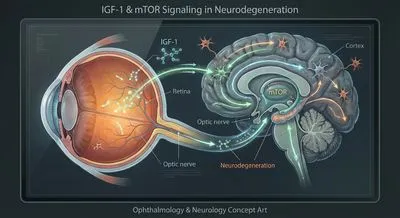
IGF-1 is a small protein hormone closely related to insulin. It is made in the liver (and in some tissues) under the influence of growth hormone. In...
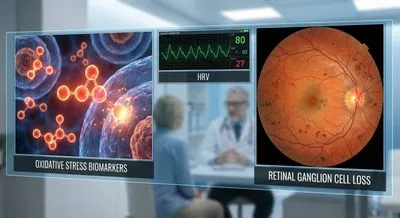
In this article, we explain what oxidative stress markers like F2-isoprostanes, malondialdehyde (MDA), and 8-hydroxy-2’-deoxyguanosine (8-OHdG) are,...
Blind spots often develop gradually without symptoms. Start a free trial and take a quick visual field test to spot changes early.
Find Out NowBiomarkers are measurable signs that reveal information about how the body is functioning. They can be molecules in blood or urine, cells, images from scans, or simple measurements like blood pressure and heart rate. Clinicians and researchers use biomarkers to detect disease, monitor how it is progressing, or see whether a treatment is working. Some markers show risk before symptoms appear, others confirm a diagnosis, and some predict how well a person will respond to a particular therapy. Biomarkers matter because they make it possible to diagnose conditions earlier, tailor treatments to individuals, and track recovery without invasive procedures. Examples include blood sugar for diabetes, cholesterol for heart disease, and specific proteins or genetic features for certain cancers. A useful biomarker must be reliable, repeatable, and validated in many people, because values can vary with age, activity, or other conditions. That variability is why professionals interpret biomarkers alongside symptoms and other tests rather than relying on any single measure.