
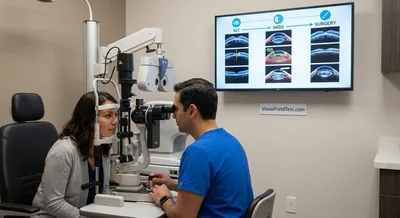
SLT’s Evolving Role Relative to MIGS and Surgery
SLT is often recommended either before starting drops or after medications alone can’t reach the target pressure. Being “selective,” the laser...
Deep research and expert guides on maintaining your visual health.
SLT is often recommended either before starting drops or after medications alone can’t reach the target pressure. Being “selective,” the laser...
An important trial known as the Tube Versus Trabeculectomy (TVT) Study looked at patients who had already had cataract or glaucoma surgery that...

In addition, regular exercise helps the body’s autonomic nervous system (which controls things like heart rate and blood vessel tone) to stay in...

In practice, experienced divers avoid mask squeeze entirely and typically equalize early in each descent. It’s also recommended to use a low-volume...

Many nutritional supplements and herbal remedies affect blood clotting. Below we describe key supplements known to interfere with platelets or...

That said, some forms of glaucoma do cause head pain. Below we contrast the painless “slow” glaucoma with the painful “fast” glaucomas and other...

Garlic. Garlic (Allium sativum) contains allicin and related molecules that inhibit platelets in a dose-dependent way (). In practical terms, eating...
Screen your peripheral vision from home — no downloads, no waiting rooms. Sign up for a free trial and test in under 5 minutes.
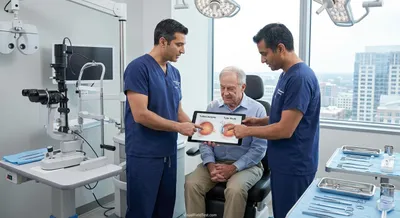
Glaucoma surgery refers to a set of procedures aimed at lowering the fluid pressure inside the eye when medication or laser treatments are not enough to protect the optic nerve. The main goal is to prevent further damage to the nerve that carries vision to the brain, which can help slow or stop vision loss. There are several types of procedures, ranging from traditional operations that create a new drainage pathway to newer, less invasive techniques that improve existing drainage. Each approach has trade-offs: some offer greater pressure reduction but carry higher risks of complications, while others are safer and faster but may lower pressure less. Risks can include bleeding, infection, scarring that blocks the new drainage route, and changes in vision during recovery. Recovery and follow-up care are important, with frequent checkups and sometimes additional treatments to keep the surgery working. Many people experience a reduced need for daily eye drops after successful surgery, which can improve quality of life. Deciding to have surgery involves weighing the expected benefits for vision preservation against the possible risks and recovery time. Your eye doctor will explain the options and recommend the most appropriate procedure based on your eye condition, overall health, and treatment goals.