
Perioperative Pitfalls: Supplements That Raise Bleeding Risk in Glaucoma Surgery
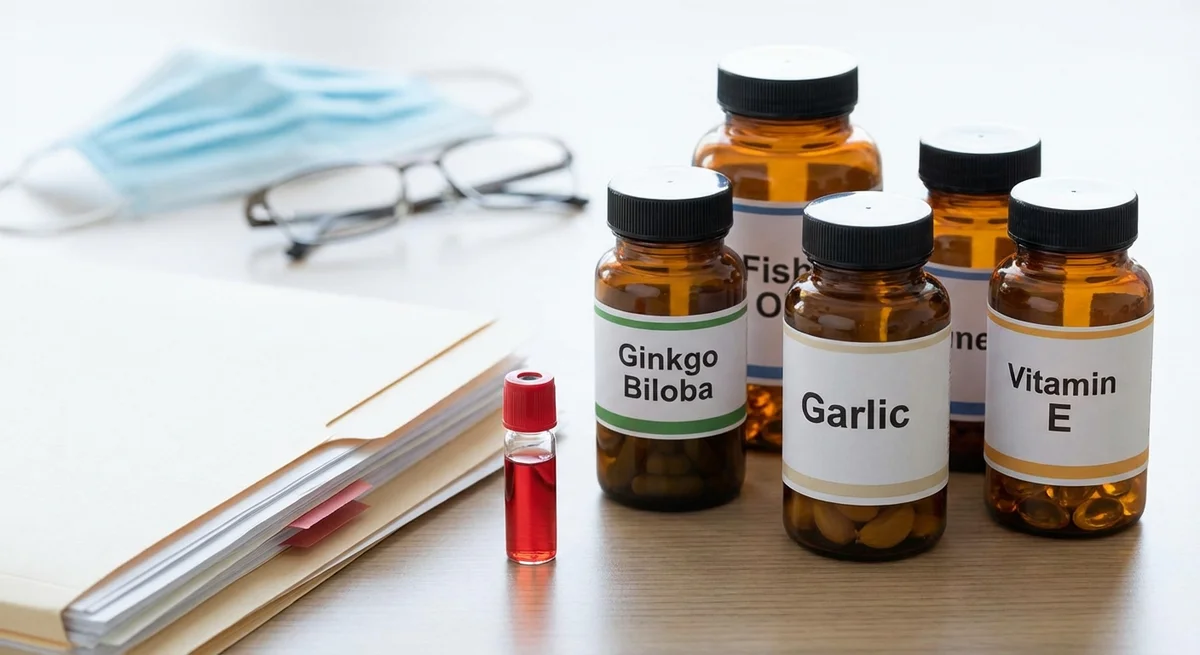
Glaucoma surgery, such as trabeculectomy or tube shunt procedures, requires careful blood clotting to heal properly. Many patients take over-the-counter herbal or dietary supplements for general health or eye health. Some of these supplements – including things like ginkgo biloba, garlic, ginseng, fish oil (omega-3), high-dose vitamin E, and turmeric/curcumin – can “thin the blood”. In other words, they make it harder for blood to clot after an injury. During eye surgery, even a small bleed can lead to serious complications or vision loss. This article reviews which common supplements have blood-thinning effects, what the evidence says about their bleeding risk, how long before surgery they should be stopped, and how doctors can talk to patients about supplement use. We also provide a sample checklist for preoperative visits to make sure supplements are not overlooked.
Supplements That Can Thin the Blood
Many nutritional supplements and herbal remedies affect blood clotting. Below we describe key supplements known to interfere with platelets or clotting factors, and summarize the evidence about bleeding risk from studies or case reports.
Ginkgo Biloba
Ginkgo biloba is an herbal memory aid that can affect clotting by blocking platelet-activating factor (pmc.ncbi.nlm.nih.gov). In lab tests and animal models it shows antiplatelet and antithrombotic effects (pmc.ncbi.nlm.nih.gov). A small clinical trial found that ginkgo reduced platelet clumping, although standard clotting tests stayed normal (pmc.ncbi.nlm.nih.gov). Importantly, several case reports link ginkgo use to bleeding problems. For example, ginkgo has been reported in isolated cases to cause spontaneous eye bleeds (hyphema) or even brain hemorrhages (pmc.ncbi.nlm.nih.gov). A recent analysis also found that taking ginkgo with other blood thinners (like aspirin or clopidogrel) significantly raised bleeding risk (pmc.ncbi.nlm.nih.gov). In short, evidence suggests ginkgo can increase bleeding, especially when combined with other anticoagulants (pmc.ncbi.nlm.nih.gov) (pmc.ncbi.nlm.nih.gov). Many surgeons therefore advise stopping ginkgo well before surgery (often 1–2 weeks prior) to allow its effects to wear off.
Garlic (Allium sativum)
Garlic supplements are popular for heart health, but garlic can thin the blood. Garlic contains sulfur compounds (like allicin and ajoene) that inhibit platelet aggregation in a dose-dependent way (pmc.ncbi.nlm.nih.gov). Even though large trials have been inconsistent about clinically significant bleeding, several case reports document bleeding issues with high garlic intake (pmc.ncbi.nlm.nih.gov). For example, one report showed that a patient on warfarin had dangerously high INR (over-thinning of blood) after taking garlic supplements (pmc.ncbi.nlm.nih.gov). As a result, experts caution that garlic can add to bleeding risk. Many pre-surgery guidelines recommend stopping garlic about 1 week before an operation to avoid potential clotting problems (pmc.ncbi.nlm.nih.gov) (pmc.ncbi.nlm.nih.gov).
Ginseng (Panax species)
Ginseng root (Asian or American) is an “adaptogen” taken for energy or diabetes, but it can also affect clotting. Laboratory studies have found that ginseng extracts can inhibit platelet aggregation and even prolong clotting times in animals (pmc.ncbi.nlm.nih.gov). In practice, however, reports of bleeding from ginseng are rare. Clinical evidence of ginseng causing hemorrhage is weak: only a few case reports exist (pmc.ncbi.nlm.nih.gov). Interestingly, some reports show that ginseng can decrease the effect of warfarin (by speeding its clearance), which is the opposite effect (pmc.ncbi.nlm.nih.gov). In summary, ginseng does have a mild blood-thinning action in the lab (pmc.ncbi.nlm.nih.gov), but the real-world bleeding risk seems low and mostly anecdotal. Still, as a precaution many surgeons ask patients to stop ginseng about 1 week before surgery.
Fish Oil (Omega-3 Fatty Acids)
Fish oil pills, rich in EPA and DHA omega-3 fatty acids, are widely used for heart health. Omega-3s can make platelets less “sticky” in lab tests (pmc.ncbi.nlm.nih.gov), raising theoretical concerns about bleeding. However, large clinical studies have generally not found a major bleeding problem from fish oil alone. Notably, a large randomized trial (the OPERA study) involving over 1,500 cardiac surgery patients found no increase in bleeding with fish oil; in fact, patients on fish oil needed slightly fewer blood transfusions (pmc.ncbi.nlm.nih.gov) (pmc.ncbi.nlm.nih.gov). Similarly, reviews have reported that fish oil’s bleeding risk appears modest, with only isolated case reports of interactions (e.g. very high INR when combined with warfarin) (pmc.ncbi.nlm.nih.gov) (pmc.ncbi.nlm.nih.gov). In other words, although fish oil can thin the blood in theory, evidence for harmful bleeding in surgery is weak (pmc.ncbi.nlm.nih.gov) (pmc.ncbi.nlm.nih.gov). Still, many doctors err on the side of caution, often recommending patients stop fish oil about 1 week pre-op, especially if taking other blood thinners, until more surgery-specific data are available (pmc.ncbi.nlm.nih.gov) (pmc.ncbi.nlm.nih.gov).
Vitamin E (High Dose)
Vitamin E is an antioxidant vitamin found in nuts and oils. At normal dietary doses it is harmless, but in high doses (more than a few hundred IU per day) vitamin E can interfere with clotting. Studies show that vitamin E inhibits platelet aggregation and may antagonize vitamin K-dependent clotting factors (pmc.ncbi.nlm.nih.gov). One analysis found that taking 400 IU of vitamin E daily significantly reduced platelet adhesion and raised bleeding tendency (pmc.ncbi.nlm.nih.gov). There is also evidence that vitamin E can potentiate the effect of other blood thinners: for example, combining high-dose vitamin E with warfarin in one report increased bleeding (pmc.ncbi.nlm.nih.gov). In practice, doctors often advise patients to stop extra vitamin E supplements about 1 week before surgery to avoid these risks (pmc.ncbi.nlm.nih.gov).
Turmeric (Curcumin)
Turmeric is a spice whose active compound curcumin is used as a natural anti-inflammatory. Recent research shows that curcumin has strong antiplatelet effects. In one lab study, curcumin inhibited platelet activation and aggregation in a way similar to common antiplatelet drugs (pmc.ncbi.nlm.nih.gov). Another study reported that turmeric compounds greatly reduced stress-induced platelet clumping by up to 70–75% (pmc.ncbi.nlm.nih.gov). These findings mean turmeric can act like a blood thinner. Clinically, a case report described an elderly patient who began taking 1,000 mg of curcumin daily and developed a large spontaneous muscle hematoma within a week (jclinmedcasereports.com), illustrating the potential for bleeding. Curcumin has also been shown to raise blood levels of an antiplatelet drug (clopidogrel) in lab models (jclinmedcasereports.com), which could further increase bleeding risk. In short, even though turmeric is “natural,” it can slow clotting. Patients are usually told to stop turmeric supplements (especially high-dose) at least 1 week ahead of surgery (pmc.ncbi.nlm.nih.gov) (pmc.ncbi.nlm.nih.gov).
Other supplements: Ginger and green tea also have mild antiplatelet effects, though they were not in our main list. It’s wise to consider any herb or vitamin that claims to improve circulation or reduce clotting. In all cases, any supplement suspected to thin blood should be disclosed and typically stopped before surgery. As one comprehensive review advised, “because dietary supplements’ effects on clotting are hard to predict, it is prudent to advise their discontinuation before surgery” (pmc.ncbi.nlm.nih.gov).
Evidence and Recommended Stopping Times
Most evidence about supplement-related bleeding comes from a mix of laboratory studies, small clinical trials, case reports, and reviews. In general, large clinical data are limited, so recommendations are often precautionary. A 2015 systematic review noted bleeding risks associated with many supplements: it explicitly listed garlic, ginkgo, ginseng and fish oil as having reported effects on coagulation (pmc.ncbi.nlm.nih.gov). For each of the supplements above, the strength of evidence varies:
- Garlic and Ginkgo: Multiple case reports link them to bleeding events (pmc.ncbi.nlm.nih.gov) (pmc.ncbi.nlm.nih.gov). Trials are few, but experts recommend treating them like aspirin.
- Flysh Oil: Several randomized trials (including OPERA) show no significant increase in bleeding (pmc.ncbi.nlm.nih.gov), though isolated case reports exist (pmc.ncbi.nlm.nih.gov).
- Vitamin E: Laboratory and small clinical data indicate it can inhibit clotting (pmc.ncbi.nlm.nih.gov). A few trials show higher bleeding risk at ≥400 IU/day (pmc.ncbi.nlm.nih.gov).
- Ginseng: In vitro studies show an effect (pmc.ncbi.nlm.nih.gov), but few clinical bleeding reports (pmc.ncbi.nlm.nih.gov). Its interaction with warfarin has been documented.
- Turmeric: Mainly lab evidence of strong platelet inhibition (pmc.ncbi.nlm.nih.gov) (pmc.ncbi.nlm.nih.gov) and a few case reports of bleeding (jclinmedcasereports.com); human trials are lacking.
- Other herbs: Data for many herbs is anecdotal or theoretical, but anesthesia guidelines still warn they could affect bleeding (pmc.ncbi.nlm.nih.gov) (pmc.ncbi.nlm.nih.gov).
Because supplement formulations vary and patient factors differ, most physicians use a conservative cutoff for surgery. General guidelines (used in anesthesiology and other fields) often advise stopping herbal and vitamin supplements about 2 weeks before elective surgery (pmc.ncbi.nlm.nih.gov). However, some supplements act faster and may be stopped sooner. In practice, many eye surgeons use simpler rules: for example, stop garlic, fish oil, vitamin E about 1 week before; stop ginkgo and ginseng 1–2 weeks before; and stop curcumin and ginger at least 1 week before. The exact timing may be tailored (longer if high doses are used), but erring on the side of caution helps minimize bleeding risk (pmc.ncbi.nlm.nih.gov) (pmc.ncbi.nlm.nih.gov).
Talking with Your Doctor About Supplements
A key to patient safety is open communication. Unfortunately, studies show many patients do not volunteer information about supplements unless asked directly (pmc.ncbi.nlm.nih.gov). Likewise, surveys found that 90% of anesthesiologists admit they don’t routinely ask about herbal remedy use (pmc.ncbi.nlm.nih.gov). To avoid this trap, healthcare providers should specifically ask about vitamins, herbs, and over-the-counter products when taking your history. Doctors and clinic staff should:
- Ask by name: Instead of only asking “medications you take,” use open questions like “Do you take any vitamins, herbal medicines, or supplements?” Give examples such as fish oil, garlic pills, ginkgo biloba, or turmeric. (pmc.ncbi.nlm.nih.gov) Patients often forget these are “medicines” worth mentioning, so naming common ones helps jog memory.
- Encourage honesty and explain why: Stress that knowing about supplements is for safety, not judgment. For example: “I know these are sold as natural products, but some can affect bleeding in surgery. It’s important for us to know if you take them.” Reassure patients that it’s common to take supplements, and labelling them helps the doctor plan safely.
- Bring supplements to the clinic: Many experts recommend that patients bring all medication bottles (including vitamins and herbs) to the preoperative visit (pmc.ncbi.nlm.nih.gov). This way, the provider can check labels and ingredients directly, and nobody has to recall everything from memory.
- Use questionnaires or checklists: Some clinics use checklists that explicitly list supplements. Studies have shown that structured forms or questionnaires can uncover hidden supplement use (pmc.ncbi.nlm.nih.gov). For instance, ask separately: “Have you taken any fish oil, vitamins above RDA, herbal teas or powders, or home remedies in the past month?”
- Explain the importance: Clinicians can say: “Many people take garlic or ginkgo for health, but these can make bleeding more likely. If we don’t know you’re taking them, we might have unexpected bleeding during surgery.” Citing even general safety info works. One anesthesia review highlights that an altered clotting profile from supplements like garlic, ginseng or ginkgo can lead to more blood loss than expected (pmc.ncbi.nlm.nih.gov). Telling patients that risk frames the question in terms of their well-being.
By making supplement questions a routine part of preoperative talks and framing them as a safety measure, clinicians are more likely to uncover important information. Using plain language (e.g. “blood-thinner supplements”) and providing examples goes a long way. It helps to avoid jargon: for instance, instead of “antiplatelet”, say “keeping your blood from clotting normally.”
Preoperative Checklist for Clinics
Here is a practical checklist for pre-op clinics to follow when preparing patients for glaucoma surgery:
- Review All Medications and Supplements: Update the medication list to include over-the-counter drugs, vitamins, herbal remedies, and dietary supplements. Specifically ask about products known to affect clotting (e.g. garlic, ginkgo, ginseng, omega-3, vitamin E, turmeric, ginger, fish oil, St. John’s wort, etc.).
- Bring and Review Supplements: Instruct patients to bring all supplement bottles or a list of names to their pre-op visit (pmc.ncbi.nlm.nih.gov). Verify ingredients and doses directly from labels.
- Ask About Recent Use: Determine when the last dose of any blood-thinning supplement was taken. Document the timing carefully.
- Provide Discontinuation Instructions: For any identified blood-thinning supplement, give clear written instructions on when to stop it before surgery. For example, “Stop garlic pills at least 7 days before surgery,” “Stop vitamin E supplements 5–7 days prior,” etc. (Adapt based on surgeon preference and evidence.)
- Reinforce the Rationale: Explain briefly that this is to prevent excess bleeding. Writing instructions with reasons (e.g. “herbal supplements can increase bleeding risk”) helps patients understand.
- Monitor Compliance: On the day of surgery, confirm with the patient that they have followed the stop-orders (for instance, ask “When was the last time you took any supplements?”).
- Coordinate with Care Team: Communicate findings to the surgical and anesthesia teams. If a patient took a supplement within the risk window, discuss whether to proceed or delay surgery, or any special precautions (like having platelets available).
- Educate All Staff: Make sure all staff (nurses, doctors, coordinators) are aware to ask about supplements. Using a standard intake form that lists common supplements can help maintain consistency.
By systematically checking for supplement use and enforcing stop times, the surgical team can greatly reduce unexpected bleeding events.
Conclusion
Many patients are unaware that “natural” supplements can affect surgery. Herbs like ginkgo, garlic, ginseng, turmeric, and even vitamins like high-dose vitamin E or fish oil can thin the blood. While the evidence ranges from lab studies to case reports, the safest approach is to treat them as potential blood thinners. Thorough preoperative evaluation – including direct questions about supplements – is essential. Doctors should encourage patients to disclose all supplements and follow recommended stop times, usually at least a week or more before glaucoma surgery (pmc.ncbi.nlm.nih.gov) (pmc.ncbi.nlm.nih.gov). Doing so helps prevent excessive bleeding during delicate eye operations. Using a clear checklist and good communication will help ensure that no supplement is forgotten before surgery. Together, patient and doctor can manage supplements wisely and improve surgical safety.