

Gene- and Cell-Based Therapies Entering Glaucoma Trials in April 2026
Some trials deliver genes encoding neuroprotective factors into the eye to help RGCs survive. For example, one approach uses a harmless viral vector...
Deep research and expert guides on maintaining your visual health.
Some trials deliver genes encoding neuroprotective factors into the eye to help RGCs survive. For example, one approach uses a harmless viral vector...
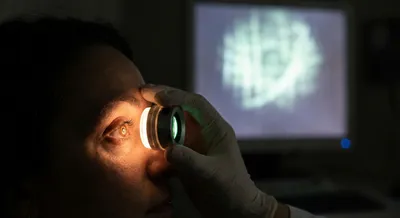
Because the therapy makes cells respond to ambient light (rather than electrical implants or goggles), patients don’t need to wear any special device...

Early detection is crucial. By the time a typical visual field test catches glaucoma, roughly half of the retinal nerve cells (retinal ganglion...
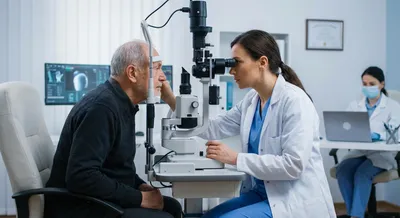
Another related condition, non-arteritic anterior ischemic optic neuropathy (NAION), causes sudden vision loss due to poor blood flow to the optic...
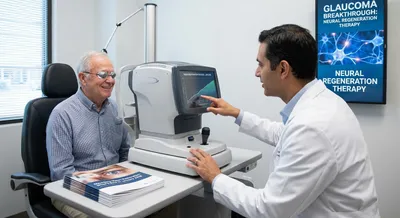
This article reviews the state of regenerative ophthalmology for glaucoma as of early 2026. We explain the new therapies under study, summarize any...
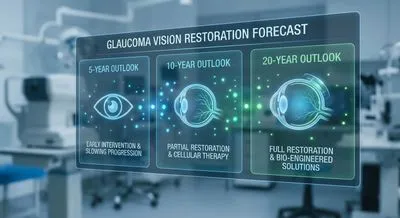
In the next few years, the emphasis will be on neuroprotection/neuroenhancement – therapies that aim to preserve or slightly improve the function of...
Blind spots often develop gradually without symptoms. Start a free trial and take a quick visual field test to spot changes early.
Find Out NowGene therapy is a medical approach that changes a person’s genes to prevent, treat, or cure disease. Instead of treating symptoms, it aims to fix the underlying genetic problem by adding, replacing, or turning off specific genetic material. Doctors and researchers deliver these genetic instructions using carriers like harmless viruses, small pieces of DNA or RNA, or precise editing tools such as CRISPR. The treatment can target cells throughout the body or be focused on a single organ, depending on the condition being treated. This approach has been used for inherited disorders, some cancers, and conditions where restoring a missing or faulty protein can make a big difference. Gene therapy matters because it can offer long-lasting benefits from a single treatment rather than requiring continuous medication. For some patients it has the potential to restore lost function or dramatically reduce symptoms, improving daily life and independence. There are real risks to manage, including immune reactions, unintended changes to other genes, and high costs that affect access. Because of those risks and ethical questions—especially about altering genes that could be passed to future generations—gene therapy is carefully tested and regulated. Even so, steady advances mean it is becoming a powerful option for diseases that were once untreatable, offering hope to many people and families.