
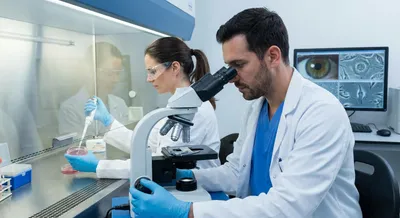
Could Cell Transplants One Day Restore Vision in Glaucoma? A New Study Looks at One Major Roadblock
Scientists have long dreamed of replacing lost RGCs by transplanting new cells into the retina. If new ganglion cells could be made to survive and...
Deep research and expert guides on maintaining your visual health.
Scientists have long dreamed of replacing lost RGCs by transplanting new cells into the retina. If new ganglion cells could be made to survive and...
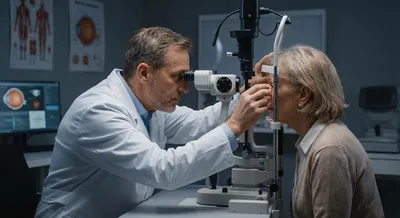
Early detection is crucial. By the time a typical visual field test catches glaucoma, roughly half of the retinal nerve cells (retinal ganglion...
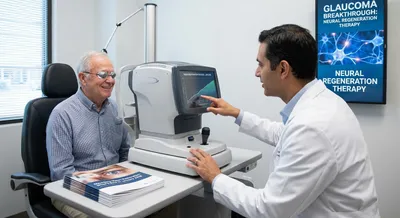
This article reviews the state of regenerative ophthalmology for glaucoma as of early 2026. We explain the new therapies under study, summarize any...
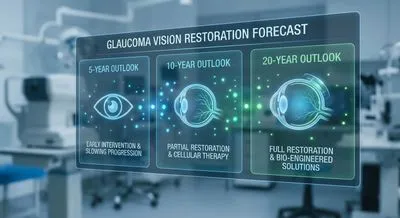
In the next few years, the emphasis will be on neuroprotection/neuroenhancement – therapies that aim to preserve or slightly improve the function of...
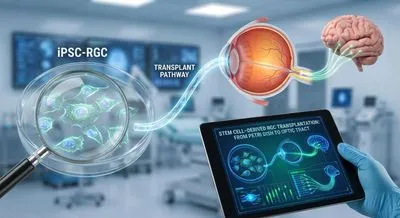
RGCs are not a uniform cell type. Dozens of RGC subtypes exist (e.g. motion-sensitive direction-selective cells, on/off center cells, intrinsically...
Stem cell therapy uses special cells that can develop into many different kinds of tissue to repair or replace damaged parts of the body. In this approach, doctors or researchers take stem cells from a donor or the patient, guide them to become a needed cell type, and then introduce them into the damaged area so they can integrate and work like healthy tissue. For vision and other conditions, stem cells can potentially replace lost nerve cells, support cells, or retinal pigment cells, helping restore function rather than just treating symptoms. There are different sources of stem cells, including adult tissue, donated embryonic cells, and reprogrammed cells made from an adult’s own tissue; each has benefits and ethical or medical considerations. Risks include immune reactions, improper cell growth, and uncertainty about long-term behavior, which is why careful testing and clinical trials are essential. Many treatments are still experimental, but successful cases show real promise for repairing damage that currently can’t be fixed. Stem cell therapy matters because it aims to address the underlying cause of disease by rebuilding tissue, which could offer lasting improvements instead of temporary relief. Understanding where the science stands and what to expect helps people make safer choices about participating in treatments or trials.